
Look, I have a confession. I almost skipped this one because it's only two hours. My brain has been conditioned by 12-hour business epics to think anything under four hours can't possibly deliver real value. I was wrong. Dead wrong.
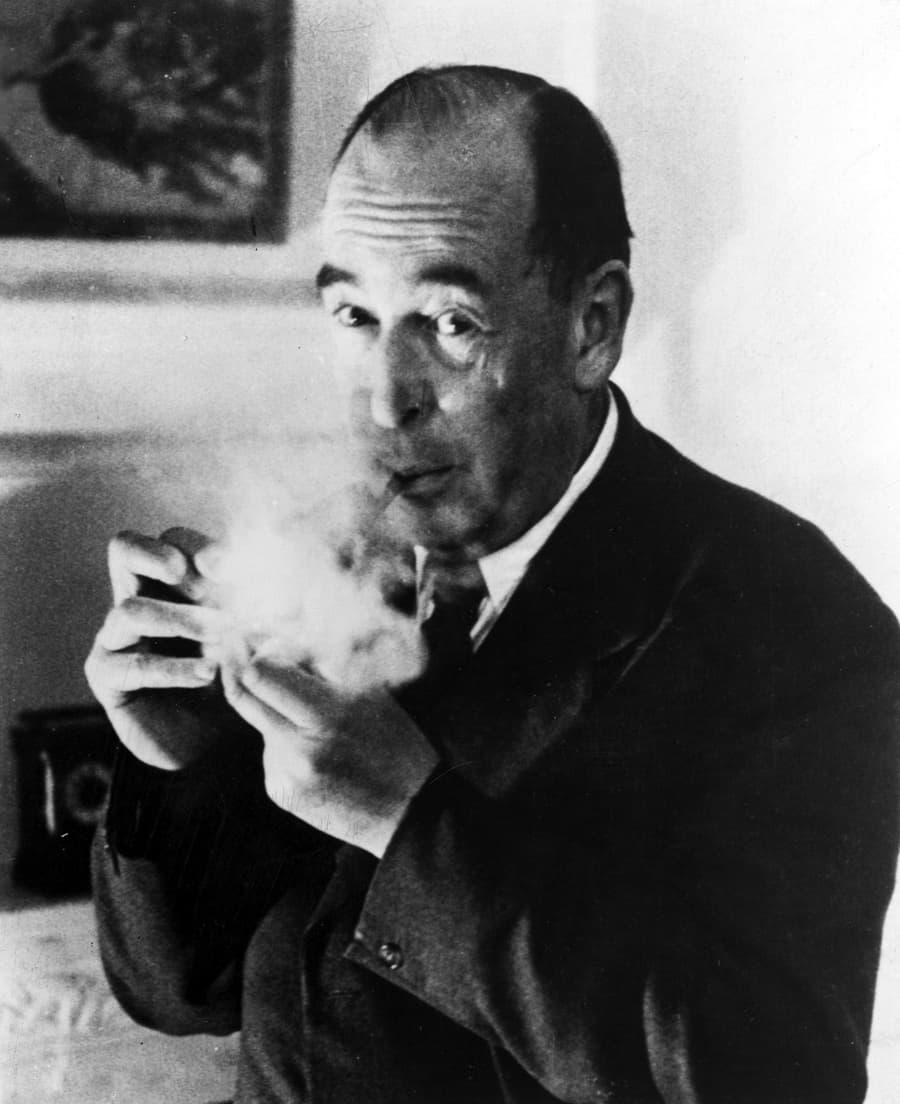
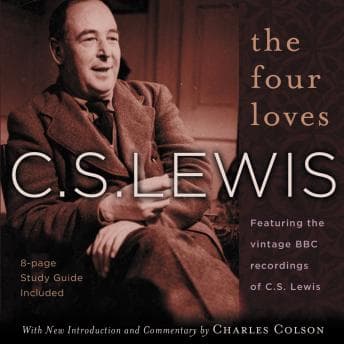
C.S. Lewis packs more actionable insight into 128 minutes than most authors manage in 500 pages. And here's the kicker—you're hearing it directly from Lewis himself. This is a 1958 BBC recording. The man who wrote Narnia is literally in your earbuds, explaining why your friendships feel shallow and your marriage might be in trouble.
The ROI on Two Hours
Lewis breaks love into four categories: affection (storge), friendship (philia), romantic love (eros), and charity (agape). Simple framework. But the execution is what my McKinsey partners would call "high impact, low complexity." He doesn't waste time. Each type of love gets dissected with surgical precision, and he's honest about where each one fails.
The friendship section alone is worth the listen. Lewis argues that friendship is the least jealous, most undervalued form of love in modern life. He's talking about 1958, but honestly? It hits harder now. How many real friendships do you have—not networking contacts, not LinkedIn connections—actual friends who would help you move a body? Awaken the Giant Within talks about relationships too, but Robbins focuses on optimizing them like business processes. Lewis is after something deeper and messier. (Jenny says I need to stop using that metric. Jenny is right.)
Here's what my parents did instinctively that Lewis articulates perfectly: affection is the humblest love, the one that doesn't need to be earned. It's how they treated every customer who walked into that dry cleaning shop for 30 years. They didn't call it "affection." They called it "just being decent." Now it has a TED talk. Well, a BBC broadcast.
Lewis in Your Earbuds
I've listened to hundreds of audiobooks. Paid narrators, celebrity readers, full casts with sound effects. None of them compare to hearing an author read their own work—especially when that author is one of the 20th century's greatest minds and this is literally the only recording of him doing it.
Lewis sounds exactly like you'd imagine: British, professorial, warm but not soft. There's a gentleness in his delivery that modern narrators would probably punch up for "engagement." But that restraint works. When he talks about the dangers of eros becoming possessive, or affection curdling into something controlling, the quiet tone makes it land harder.
The vintage recording quality threw me for about three minutes. Then I forgot about it completely. My 2.0x speed couldn't save this one—not because it's bad, but because the vocabulary is dense. I dropped to 1.25x and actually had to think. When's the last time a business book made you do that?
Where It Gets Uncomfortable
Lewis doesn't just celebrate love. He warns you about it. Every form of love, he argues, can become demonic if it's not submitted to something higher. Affection can become smothering. Friendship can become exclusive and cruel. Eros can become obsession. Even charity can become condescending.
This is where some listeners will bounce. Lewis is unapologetically Christian, and his framework leads inevitably to agape—God's love—as the only form that doesn't corrupt. If that's not your thing, you'll find the final sections preachy.
But here's my take: even if you strip out the theology, the diagnostic framework is solid. I've seen the failure modes Lewis describes play out in corporate teams, in marriages, in startups where founders confuse friendship with partnership. He's describing human nature, and human nature doesn't care about your religious preferences. Art of Seduction explores similar territory—how love and desire can corrupt when they're not understood—though Greene's framework is more Machiavellian than theological.
Who Gets Value Here (And Who Won't)
If you want a practical framework for diagnosing relationship dysfunction—whether in your marriage, your friendships, or your leadership team—this delivers. If you need everything secular and can't tolerate Christian framing, skip the last third or skip entirely.
The P&L Summary
Two hours. That's a commute. That's a long walk. That's less time than most people spend on Netflix tonight.
In those two hours, you get a framework for understanding every relationship in your life, delivered by one of the greatest thinkers of the last century, in his own voice, from a recording that almost didn't survive. And for once, there's no padding to skip.
My only complaint? It made me call my college roommate for the first time in three years. He was confused but happy. Lewis would probably say that's the point.