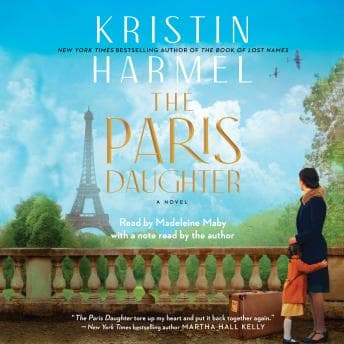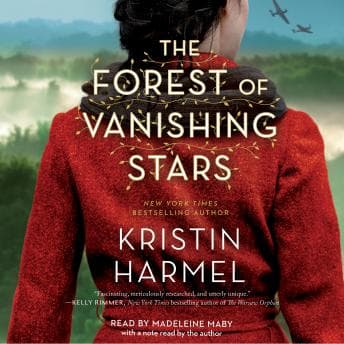

Let me cut to the chase: I finished this one during a 3 AM bout of insomnia—couldn't sleep, Ranger snoring at my feet, Linda dead to the world—and by the time the sun came up, I was emotionally wrecked in the best possible way.
Kristin Harmel's Forest of Vanishing Stars dropped me into eastern European wilderness with a woman named Yona who'd been kidnapped as a toddler and raised by a half-mad mystic named Jerusza. The old woman dies in 1941, leaving Yona alone with nothing but survival skills and zero understanding of the world beyond the trees. Then she stumbles onto Jewish refugees fleeing the Nazi death machine, and suddenly her ability to read the stars and find edible roots becomes the difference between life and death for an entire group.
Survival Skills That Actually Track
Here's what got me: Harmel did her homework on wilderness survival. I've done enough SERE training and spent enough miserable nights in the field to know when an author's faking it. She's not. The foraging details, the shelter construction, the way Yona reads animal behavior—it's grounded. Not perfect, but close enough that I wasn't rolling my eyes every ten minutes. The forest becomes its own character, both sanctuary and threat, which is exactly how wilderness works when you're trying to stay alive in it.
What surprised me was how the book handles the transition from pure survival to something messier—community. Yona knows how to keep bodies alive, but she's got no idea how to connect with people. The refugees teach her about faith, about family bonds, about why survival matters beyond just drawing the next breath. That tension between tactical competence and emotional illiteracy? I've seen that play out in real life. Some of the best operators I knew couldn't hold a conversation at a dinner party. That kind of leadership paradox—tactical brilliance paired with human disconnect—is exactly what Jocko Willink dissects in Extreme Ownership, though he comes at it from the SEAL teams instead of the forest.
Maby's Voice Work Carries the Weight
Madeleine Maby earned that Earphones Award. Her Jerusza is exactly what you'd expect from a woman who kidnapped a child and raised her in isolation—foreboding, slightly unhinged, but with this undercurrent of fierce protectiveness. When Yona's voice shifts from curious and uncertain to self-assured over the course of eleven hours, you feel the character growing up. That's not easy to pull off.
The pronunciation work deserves mention too. We're talking Polish, Yiddish, German names and places throughout—Maby handles them with the kind of consistency that keeps you immersed instead of getting yanked out every time someone says a character's name differently. (That's a pet peeve of mine. Drives me up the wall when narrators can't keep their own character names straight.)
Harmel narrates the author's note herself at the end. Nice touch. Gives you context for the real stories that inspired the fiction.
Where It Lost Me—Briefly
Look, I'll be honest. Some readers have called Yona one-dimensional, and I can see where they're coming from. She's almost too competent in the woods, and her emotional arc follows a fairly predictable path. The love interest subplot felt rushed—like Harmel knew she needed it but didn't have quite enough pages to develop it properly.
But here's the thing: the historical weight of what these people endured carries the story even when the character work gets thin. The Nazis aren't cartoon villains here. They're a systematic horror machine, and the refugees' fear is visceral and earned. When Yona's past collides with her present in that German-occupied village—won't spoil it—the stakes suddenly become very personal.
Harmel vs. Her Other Work
I listened to The Book of Lost Names last year, same narrator, same general territory. Forest of Vanishing Stars is the more physically demanding story—less about documents and more about dirt under your fingernails. If you liked one, you'll probably like the other, but this one feels more primal. More immediate. The wilderness setting forces a different kind of tension than urban resistance work.
Who Should Gear Up—And Who Should Stand Down
If you want WWII historical fiction that earns its emotional punches through genuine survival stakes rather than manufactured drama, this delivers. Skip it if you need deeply complex protagonists or if survival minutiae bores you—Yona's foraging knowledge gets detailed.
Mission Debrief
This is focused listening, not background noise. You need to pay attention to the survival details and the character relationships to get the full impact. I'd recommend 1.25x—Maby's pacing is good but could use a slight push for those of us who process faster.
Ranger approved—he didn't move for the last three hours, which is his version of a five-star review.
Mission accomplished, Harmel.