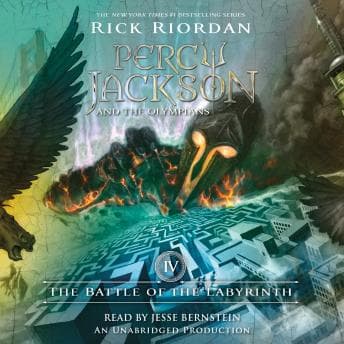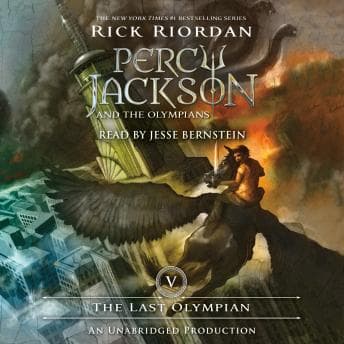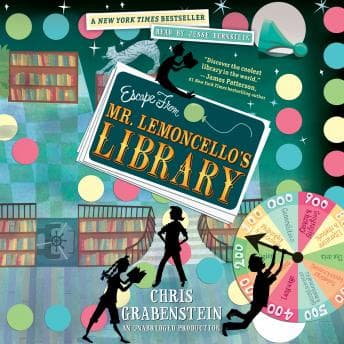

I picked this up because a kid at the library asked if we had "that book where kids get locked in a library with puzzles" and I realized I'd never actually listened to it. Professional embarrassment aside, it was time to see what all the fuss was about. So there I was, shelving returns on a slow Tuesday afternoon, earbuds in, getting increasingly invested in whether a bunch of middle schoolers could escape a building I would literally pay to be trapped in.
The Willy Wonka Energy Is Real
The comparisons to Charlie and the Chocolate Factory aren't just marketing speak. Chris Grabenstein gets it—the eccentric billionaire genius, the golden ticket scenario, the mix of delightful wonder and subtle menace. Mr. Lemoncello himself is basically what would happen if Willy Wonka decided libraries were cooler than candy factories. And honestly? He's right.
Kyle Keeley works as our protagonist because he's not the smartest kid in the room—he's the most creative problem-solver. The kind of kid who thinks sideways when everyone else is going straight. As someone who spends a lot of time with young readers, this rings true. The kids who excel at library escape rooms (yes, we do those) are rarely the ones with perfect grades. They're the ones who ask weird questions and make unexpected connections.
The puzzle structure keeps things moving. Each clue builds on library knowledge—Dewey Decimal, classic literature references, the kind of stuff that makes librarians like me feel seen. But here's the thing: it never feels preachy. Grabenstein isn't lecturing kids about why books are important. He's showing them that books are the key to winning. Big difference.
Jesse Bernstein Behind the Mic
Jesse Bernstein brings a youthful energy that fits the material. His Kyle sounds like an actual twelve-year-old, not an adult doing a "kid voice" (you know the difference when you hear it). The ensemble of contestants each get distinct personalities—Charles Chiltington's pretentious bully energy comes through perfectly, and Lemoncello himself has this wonderful theatrical quality without going full cartoon villain.
The pacing is... okay, I'll say it. Slightly slow. I bumped it up to 1.25x about an hour in and never looked back. Not because Bernstein drags, exactly, but because the story's energy benefits from a quicker clip. Kids especially might get antsy at standard speed—their brains move fast, and this story should too.
The character voices are solid if not spectacular. Bernstein handles accents and distinct personalities well enough that you never lose track of who's speaking. Is it the most dynamic middle grade narration I've ever heard? No. But it's competent and engaging, which matters when you're trying to hook a reluctant reader on audiobooks.
Why This Works for Kids (And Librarians)
Here's what I kept thinking about while listening: this book makes libraries cool. Not in an "eat your vegetables" way, but in a genuine "this place holds secrets and adventures" way. The library in this book has holograms and secret passages and a hover ladder. My library has a slightly temperamental printer and a reading nook that smells faintly of old carpet. But Grabenstein captures something true—libraries ARE places where you can find anything, solve anything, become anything.
The mystery elements are age-appropriate but not dumbed down. Kids can actually try to solve the puzzles alongside the characters, which is exactly the kind of interactive reading experience that keeps young listeners engaged. I found myself pausing a few times to think through clues before the characters figured them out. (I got about half of them. The twelve-year-olds in this book are smarter than me and I've made peace with that.)
The competitive dynamics between the kids add stakes without getting mean-spirited. That same balance between tension and heart shows up in Summons, though obviously with higher stakes than library puzzles. There's a bully, sure, but the resolution isn't about revenge—it's about proving that different kinds of smart matter. Creative thinking and teamwork beat memorization and ego. Good message, delivered without a heavy hand.
Who's Checking This Out?
For the target audience—middle grade kids, especially reluctant readers or puzzle lovers—this is a solid pick. The audiobook format works well because Bernstein keeps the energy up and the characters distinct. Parents doing car trips? This is your friend. Teachers looking for classroom listening? Absolutely. Skip it if you need crossover appeal like Percy Jackson; this one's pitched squarely at its age group.
For adult listeners without kids in tow? It's charming but probably not essential unless you're a children's librarian with professional obligations (hi, that's me). The puzzles are fun, the Lemoncello character is delightful, but you're not the intended audience.
Back to the Stacks
I'm glad I finally listened. And I'm definitely going to be recommending it to every kid who asks about "that library book." Because now I actually know what they're talking about.