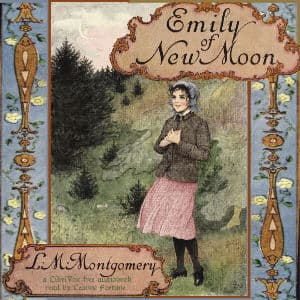

"I am Emily of New Moon."
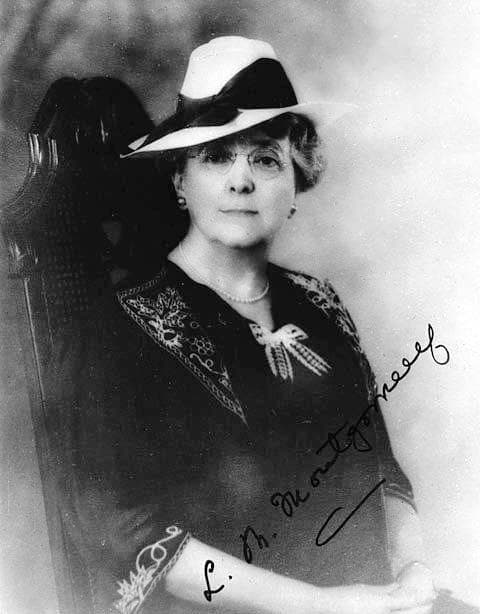
That line hit me somewhere around hour three, and I had to pause my thesis procrastination to just... sit with it. Because here's the thing about L.M. Montgomery that gets lost when people only know her from Anne of Green Gables: the woman understood lonely, imaginative kids with an almost supernatural precision. And Emily Starr? Emily might be her finest work of that particular understanding.
The Magic System of Girlhood (Yes, I'm Going There)
Look, I know comparing a 1923 children's classic to fantasy worldbuilding sounds unhinged. But hear me out. Montgomery builds Emily's inner world with the same meticulous care Sanderson puts into his magic systems. That same careful attention to fantastical elements shows up in Court of Thorns and Roses, though Maas goes full high fantasy where Montgomery keeps it grounded. Emily has "the flash" - these moments of transcendent perception that she can't control or predict. It's basically a soft magic system for artistic inspiration, and Montgomery treats it with complete seriousness. Emily's relationship with her own creativity, her compulsive need to write, the way words feel like a physical force to her - this is Sanderson-level construction, just applied to the interior landscape of a weird little orphan girl.
The supporting cast slots into place like a perfectly balanced D&D party. Teddy's the artist (your bard, obviously). Perry's the scrappy kid who's seen the world but lacks formal education - your rogue with surprisingly high Wisdom. And Ilse? Ilse is absolutely your barbarian. Blazing temper, fierce loyalty, zero filter. My D&D group would love this crew.
About That Accent, Though
Leanne Fortune narrates with this lovely Australian (possibly Kiwi?) accent that is... a choice. For a story set firmly on Prince Edward Island, Canada. I'll be honest - it took me until about hour two to stop noticing it. Once I adjusted, Fortune's voice actually works for the material. Her Emily has this stubborn dignity that feels right. The aunt voices are distinct enough that you always know if it's stern Aunt Elizabeth or softer Aunt Laura speaking.
But - and this is a real but - the letters to Emily's dead father fall flat. These should be the emotional gut-punches of the book. Emily pours her heart into these letters, and Fortune reads them like she's checking items off a grocery list. It's weird. The emotion just... isn't there. I found myself wishing she'd leaned into the vulnerability more, because those letters are where Emily is most herself.
Twelve Hours of Comfort Gaming
This is comfort listening. Pure and simple. At nearly thirteen hours, it's a commitment, but the pacing has that old-fashioned episodic quality - Emily's feud with the mean girl at school, Emily's discovery of the mysterious Disappointed House, Emily's first real poem getting published. Each little arc completes itself while building toward something larger. Perfect for when you're grinding through side quests in a game or, hypothetically, avoiding your thesis advisor's emails.
Montgomery doesn't shy away from darkness, though. Emily's father dies in the first chapter. Her relatives literally draw lots to see who has to take her. There's real cruelty from classmates and adults alike. But there's also this stubborn hope running through everything - Emily's absolute conviction that she will be a great writer someday, no matter what anyone says.
Who Should Roll Initiative
If you loved Anne of Green Gables but wanted something with a slightly sharper edge, Emily's your girl. She's less sunshine and more moonlight - quieter, more intense, with that writer's tendency to observe rather than participate. Kids who feel like outsiders will see themselves here. Adults who were those kids will remember.
Skip this if: Australian accents in Canadian settings will drive you to distraction, or if you need high emotional delivery in your narration. Fortune is competent but not exceptional.
Worth Burning a Spell Slot?
Honestly? This is a library listen for me. Fortune's narration is good enough but not exceptional enough to justify buying when you could stream it. The story itself is genuinely wonderful - Montgomery at her most autobiographical and emotionally honest. But there are probably better-narrated versions out there if you're willing to hunt. This one will absolutely do the job. It just won't make you forget you're listening to a performance.
I finished it at 2 AM instead of working on my procedural generation chapter. Dr. Patel would be disappointed but unsurprised. Worth it.