
I was grading papers at 11 PM—the usual stack of half-hearted essays on The Great Gatsby—when I decided I needed something to remind me why I fell in love with historical fiction in the first place. Henty seemed like the right medicine. Victorian adventure fiction, King Alfred, Danes pillaging the English countryside. What could go wrong?
Well. Some things went wrong.
What Hemingway Would Call "Too Much Furniture"
Here's the thing about G.A. Henty that modern listeners need to understand: the man was writing for Victorian boys who had nothing but time and gas lamps. His prose assumes you want to know everything—the political landscape, the military formations, the exact progression of Danish incursions across Wessex. And honestly? As a history teacher at heart, I found myself scribbling notes in the margins of my grading rubric. The historical detail is genuinely impressive. Henty did his homework on King Alfred's reign, and you can feel the research beneath every battle description.
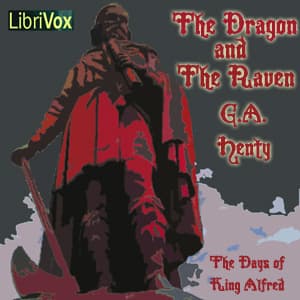
But here's where the audiobook format becomes both blessing and curse. At seven hours and twenty-four minutes, this is a commitment. The story has this maddening habit of alternating between Edmund's personal adventures—watching his father die in battle, building his famous ship the Dragon, falling in love—and extended historical summaries that read like encyclopedia entries. On the page, you can skim. In your ears at 11 PM? You drift.
I caught myself rewinding more than once because I'd mentally wandered off during a lengthy description of Danish military tactics only to realize Edmund was suddenly in a completely different country.
Mike Harris: Professional, But...
Mike Harris clearly knows what he's doing. His reading is professional, his diction is clean, and he approaches the text with obvious respect for Henty's Victorian prose. I've heard far worse LibriVox recordings, believe me.
But—and this is a significant but—he has this peculiar habit of dragging out the last few words of sentences in a way that I can only describe as oddly hypnotic. Not in a good way. More in a "wait, did I just miss something important while my brain processed that strange cadence?" way. The exciting bits—the sea battles, Edmund's daring escapes—somehow arrive with the same measured pace as the historical summaries. When your protagonist is fighting Vikings, I need some urgency in the delivery. Instead, I got the same steady rhythm I might use reading Thoreau to my students when I want them to calm down after lunch.
Harris understands that pause is punctuation, but he seems to have missed the memo that sometimes the punctuation should be an exclamation point, not an ellipsis.
The Dragon Deserves Better Waters
What frustrates me is that the core story is genuinely good. Edmund is the kind of protagonist Henty excelled at creating—intelligent, observant, learning from his father's battlefield mistakes to become a better warrior. The image of this young man building a revolutionary ship called the Dragon and manning it with specially trained soldiers has real romantic appeal. That same sense of adventure-driven world-building shows up in Silverthorn, though Feist trades Vikings for sorcerers. His adventures across Europe, the eventual love story—these are the elements that made Henty a household name for generations of young readers.
If you loved other Henty books—With Lee in Virginia, Under Drake's Flag—you'll recognize the formula. But I'll be honest: compared to some of his tighter adventures, this one feels long. The balance between character and history tips too far toward the latter for too much of the runtime.
Who Should Listen (And Who Should Skip)
This is a history lesson wearing adventure clothing. If you're homeschooling and want your kids to absorb something about King Alfred's England while being entertained, this works. If you're a Henty completist (they exist, I've met them at conferences), you'll want this in your collection. If you're genuinely interested in the Danish invasions of England and don't mind your education delivered with Victorian adventure trappings, you'll find value here.
But if you're looking for a propulsive historical adventure that keeps you white-knuckling through your commute? Skip it. The pacing requires patience, and the narration won't compensate for the slower sections.
I'd recommend bumping the speed to 1.25x—it helps counteract Harris's tendency to linger and makes the historical passages feel less like textbook readings.
Worth Assigning, Not Worth a Credit
My students would hate this. Too slow, too much context, not enough immediate action. But I didn't hate it. I appreciated what Henty was doing—using adventure to teach history, making King Alfred's struggles feel personal through Edmund's eyes. That's noble work.
The problem is that this particular audiobook version doesn't serve the material as well as it deserves. The narration flattens the peaks and valleys into a steady plain. For a free LibriVox recording, it's perfectly serviceable. But if you're spending a credit on historical fiction, there are better options that will actually make you feel the terror of Norsemen at your door.
I finished it. I learned some things. I wouldn't listen again. That's probably the most honest assessment I can give.