
How do you tell the story of a war when everyone's already decided who the villains are?
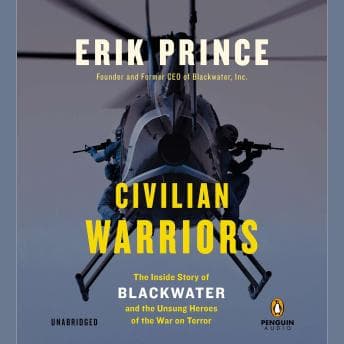
I was driving back from a client meeting in Houston - three hours of I-10 that I know better than my own backyard - when Erik Prince started laying out the Blackwater timeline. And look, I'll be straight with you: I went in skeptical. Not because I don't understand PMCs. I worked alongside contractors in both theaters. Some were squared away professionals. Some were cowboys who made my job harder. The reality was never as clean as either side wants it to be.
The Case Prince Builds
This is a 13-hour defense brief, plain and simple. Prince structures it like a legal argument - establishing Blackwater's origins, the legitimate security gaps that created demand for PMCs, and then methodically addressing the incidents that destroyed his company's reputation. The Nisour Square shooting gets significant airtime, and Prince presents evidence and context that never made the evening news.
Here's what I'll give him: the operational details ring true. When he describes the chaos of running PSD missions through Baghdad's streets, the split-second decisions, the lack of military backup in State Department operations - that tracks with what I saw. The Pentagon wanted deniability. State wanted protection. Blackwater filled the gap, and then everyone acted shocked when the gap turned out to be messy.
Prince's account of building Blackwater from a training facility in the North Carolina swamps to a billion-dollar enterprise is genuinely impressive from a pure entrepreneurship standpoint. The man identified a market need and scaled to meet it. Whether that market should have existed is a different question - one Prince mostly sidesteps.
What's Missing From This Debrief
And here's where I have to push back. This is a one-sided account. Prince acknowledges this upfront, but that doesn't excuse the gaps. The contractors who made questionable calls? Barely mentioned. The institutional pressures that might have encouraged aggressive rules of engagement? Glossed over. The families of Iraqi civilians killed in disputed incidents? They're abstractions in this narrative, not people.
I served with guys who came home and struggled with the moral weight of decisions made in combat. That same complexity - the weight soldiers carry - is what made The Things They Carried hit me so hard. Prince presents Blackwater operators as unambiguous heroes, and that's just not how war works. Even the best soldiers carry complexity. The absence of that here feels like a lawyer's brief, not a soldier's memoir.
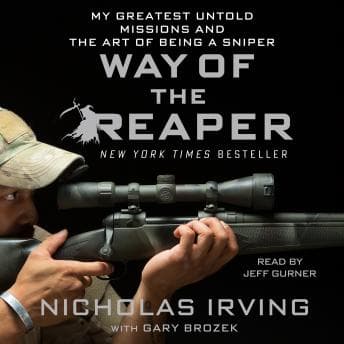
Jeff Gurner's narration is solid - professional, clear, appropriately serious for the subject matter. He doesn't try to dramatize, which is the right call. I heard that same measured approach from Gurner in Way of the Reaper: My Greatest Untold Missions and the Art of Being a Sniper, another account where the operational details need room to breathe. This material doesn't need theatrical treatment. At 1.25x, the pacing worked well for the long highway stretches.
Who Needs to Hear This (And Who Should Pass)
If you've only gotten the media version of Blackwater - the one from movies and breathless news coverage - you should hear Prince's side. Not because it's the whole truth, but because it's a piece that's been missing from the public record. The operational realities of PMC work, the bureaucratic failures that created demand for contractors, the genuine heroism of some operators who died protecting American diplomats - that deserves acknowledgment.
But go in with your BS detector engaged. Prince is a smart guy with a massive financial and reputational stake in this narrative. He's not lying, exactly, but he's definitely not telling you everything. Cross-reference with other sources. Read the congressional reports. Talk to veterans who worked alongside Blackwater if you know any.
Skip this if you're looking for an objective history of PMCs in the War on Terror. This isn't that. It's a memoir and a defense, and it should be evaluated as such.
End of Mission
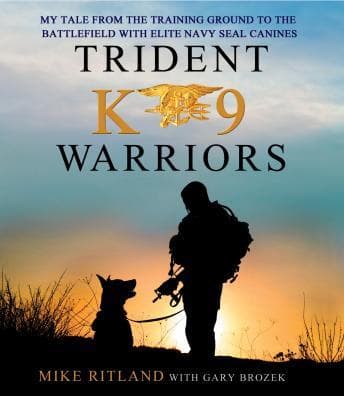
Ranger sat through this one with me on a late-night drive back from San Antonio. The dog's name had me thinking about Trident K9 Warriors: My Tale From the Training Ground to the Battlefield with Elite Navy SEAL Canines, where canine teams are part of the war story instead of just keeping an old soldier company. He's not impressed by corporate narratives, and neither am I. But I believe in hearing all sides before making judgments - something I learned the hard way in places where getting the intel wrong meant people died.
Prince makes a compelling case that Blackwater got scapegoated for systemic failures that went far above his pay grade. He's probably right about some of it. But the book's refusal to grapple with legitimate criticisms weakens what could have been a more powerful account. Worth your time if you want the inside perspective. Just don't mistake one man's defense for the whole story.








![Steve Jobs [unabridged audiobook] audiobook cover](/_next/image?url=https%3A%2F%2Fcovers.audiobooks.com%2Fimages%2Fcovers%2Ffull%2F9788499923406.jpg&w=1920&q=75)