
I was grading a stack of sophomore essays on The Great Gatsby - the ones where they all discover, independently and miraculously, that the green light represents hope - when I hit play on this one. By hour two, the papers sat forgotten. By hour four, I was texting Denise to walk without me.
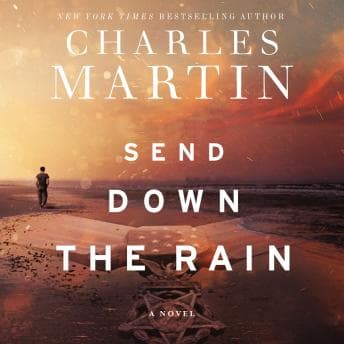
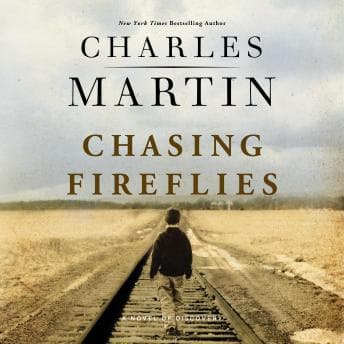
Charles Martin does something here that I spend entire class periods trying to explain to seventeen-year-olds: he trusts the reader. Chasing Fireflies opens with a train hitting a Chevy Impala, a dead woman, and a silent boy clutching a notebook. The mystery isn't whodunit. The mystery is who is this child, and why won't he speak? Martin lets that question breathe for ten hours without ever insulting your intelligence with easy answers.
The Dual Timeline That Actually Works
Look, I've read approximately four hundred novels that alternate between past and present. Most of them make me want to throw the book across the room. (I've never actually thrown an audiobook. The physics don't work.) But Martin earns his structure here. Chase Walker's childhood in foster care mirrors the silent boy's present-day trauma, and the parallels illuminate rather than manipulate. This is what I tell my students Faulkner was doing - the past isn't dead, it's not even past - except Martin makes it accessible without sacrificing depth.
The Southern Gothic elements feel authentic rather than performative. Martin grew up in Florida, and it shows. The heat, the Spanish moss, the way small-town secrets calcify into family mythology - he gets it right. The prose deserves to be savored. There's a passage about fireflies as "promises that glow for a moment and then disappear" that I actually paused and replayed. At 1.0x, naturally. (My students would hate this. I love it.)
Adam Verner's Accent Takes Some Warming Up
Here's where I have to be honest with you. Verner's narration in the first hour or so feels like he's still finding his footing. His Southern accent is there from the start, but it sits a bit heavy on the dialogue initially - like an actor who hasn't quite stopped thinking about the accent yet. I almost switched to a different book.
Glad I didn't. By the time we're deep into Chase's memories, Verner has settled into something genuinely affecting. The heartbreak in his delivery when Chase confronts his past - that's not technique, that's performance art. He understands that pause is punctuation. The silence he leaves after certain revelations gives you room to feel them before the narrative moves on. That's a narrator who's actually reading the material, not just pronouncing it.
What Martin Is Really Saying
This is a book about names. About being named. About the violence of having no name at all. The silent boy in the present and Chase in the past are both grappling with what it means to exist without someone claiming you. Martin never lectures - he just keeps returning to the question from different angles until you understand it in your bones.
There's abuse here, and violence. It's handled with restraint but not dishonesty. If you've taught high school for twenty years, you've seen the aftermath of what Martin describes. He gets the way trauma makes children go quiet. The way they hold notebooks like shields. I had to pause more than once. Not because it was gratuitous - because it was true.
The religious elements are present but not preachy. Martin writes from a faith perspective, but he's more interested in grace as a lived experience than as a theological argument. If you loved Marilynne Robinson's Gilead, this is its Southern cousin - less philosophical, more narrative-driven, but asking similar questions about what we owe each other. Passionate Friends wrestles with those same questions of obligation and grace, though it takes a completely different narrative path to get there.
Who Should Chase These Fireflies (And Who Should Skip)
If you need plot momentum from page one, this isn't your book. The pacing is deliberate - some would say slow - and Martin trusts you to sit with discomfort. My colleague who listens at 2.5x would probably hate this. (She also thinks Moby-Dick "could have been an email," so consider the source.) Skip it if you want thriller pacing or if faith-adjacent fiction makes you itch.
But if you appreciate Southern literary fiction that takes childhood trauma seriously without exploiting it, if you want a narrator who grows into the material beautifully, if you're willing to let a story unfold at its own pace - this one's worth your time. It's the kind of book that makes you understand why we still read the classics. Because some stories are about the permanent things.
Worth Pausing the Faculty Meeting For
I finished this one at 11 PM, grading abandoned, Denise already asleep. Sat in the dark kitchen for a while afterward, thinking about the kids I've taught who reminded me of that silent boy. The ones who write in notebooks they never let anyone see.
Martin wrote something that matters. Verner - once he hits his stride - delivers it with the emotional intelligence it deserves. Not flawless, but genuine. And genuine is harder to find than flawless.