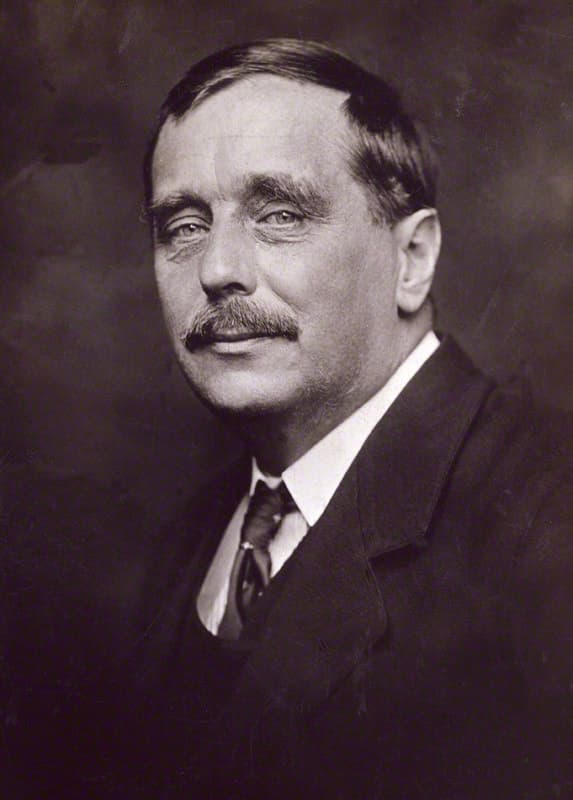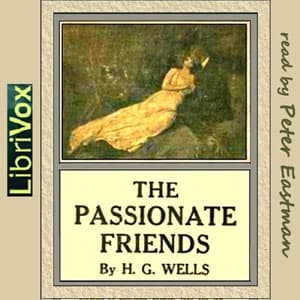

I was grading a stack of junior essays on The Great Gatsby—yes, again—when I decided I needed something to remind me why I fell in love with literature in the first place. So I put on The Passionate Friends, and suddenly Fitzgerald's Jazz Age excess felt almost shallow compared to what Wells was doing here. This is H.G. Wells without the time machines. Without the Martians. Just a man writing to his future son about the woman he loved and lost, and the social machinery that ground them both down.
And honestly? It wrecked me.
A Letter to a Son Who Doesn't Exist Yet
The framing device here is what makes this book sing. A father writes to his son—not the child he is now, but the man he'll become. It's intimate in a way that feels almost uncomfortable, like you've stumbled into someone's private confession. Wells understood something my students struggle with: that the epistolary form isn't just a gimmick. It's permission to be vulnerable.
The story itself is deceptively simple. Stephen Doyle loves Mary. Mary loves Stephen. But Mary marries someone else because—and here's where Wells gets his teeth into the thing—that's what women of her class were supposed to do. The novel becomes this meditation on passion versus propriety, on whether love can survive when it's forced underground. My students would probably call it a love triangle. They'd be missing the point entirely.
What struck me, walking the lakefront with Denise while this played in my ears, was how modern the frustration feels. The way Mary is trapped by expectations that have nothing to do with her actual desires. The way Stephen rages against a system he benefits from in every other way. Wells published this in 1913, and I kept thinking about conversations I've had with colleagues about work-life balance, about the compromises we make for stability. The specifics change. The cage doesn't.
Peter Eastman Understands the Assignment
Here's the thing about narrating Wells: you can't rush it. The man wrote sentences that unfold like origami—you need time to see what shape they're becoming. Peter Eastman gets this. His pacing is deliberate without being slow, if that makes sense. He lets the prose breathe.
His voice has this warm, slightly melancholy quality that suits the confessional tone perfectly. When Stephen describes his first real conversation with Mary, Eastman doesn't oversell the romance. He plays it quiet, almost hesitant, and that restraint makes the later emotional peaks hit harder. The narrator understands that pause is punctuation.
I couldn't find much about Eastman's other work online, but based on this performance, he's someone who reads classics the way they deserve to be read—as living documents, not museum pieces. Some of the dialogue can feel stilted to modern ears (Wells was writing for 1913, after all), but Eastman navigates those moments with enough naturalism that you stay in the story.
Why We Still Read the Classics
Look, I'll be honest. This isn't a fast read. At nearly thirteen hours, it demands patience. There are passages where Wells gets philosophical in ways that feel almost essayistic—long stretches about civilization, about the future, about what we owe to the generations that come after us. If you're looking for plot, you'll be frustrated.
But if you're looking for something that makes you think? That makes you feel something complicated about love and duty and the way society shapes our most private choices? This is worth your time.
Denise asked me what I was listening to after she caught me staring at the lake instead of walking. I tried to explain and ended up just saying, "It's about a man who loved someone he couldn't have, and he's trying to make his son understand why." She nodded like that made perfect sense. Maybe it does.
The ending is heartbreaking in a quiet way. Not dramatic. Not tragic in the Greek sense. Just... sad. Moby Dick has that same quality in Ahab's final moments—inevitable, earned, devastating without being melodramatic. The kind of sad that comes from watching people make the best choices they can with the options they're given, and those choices still not being enough.
My students would hate this. I love it.
Would I Listen Again?
Yes. Maybe in a few years, when I need to remember what literary fiction can do when it's not trying to be clever. When it's just trying to be true.
Who Should Listen (And Who Should Skip)
If you loved The Age of Innocence, this is its spiritual successor—same class anxieties, same thwarted passion, different continent. Nightingale explores similar territory—love constrained by duty, choices that haunt you. Skip this if you need plot momentum or can't stand philosophical tangents. Keep it at 1.0x. The prose deserves to be savored. And maybe listen somewhere you can stop and stare at water for a minute. You'll need to.