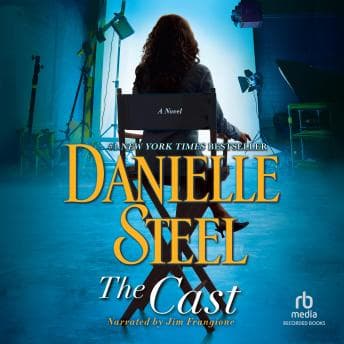

Look, I'll be honest with you. I don't usually reach for Danielle Steel. My students would probably be shocked to hear I even know who she is - they assume I only read things published before 1950 that require footnotes. But here's the thing: sometimes you need a book that doesn't demand anything from you. Sometimes you just want to be told a story while you're grading forty-seven essays on The Great Gatsby.
And that's exactly what Cast delivers.
The Comfort Food of Fiction
Kait Whittier is the kind of protagonist Steel does well - successful, grounded, dealing with grown children and past marriages and a career she's built with her own hands. When she meets TV producer Zack Winter and ends up creating a series based on her grandmother's life, the story opens up into this sprawling Hollywood ensemble piece. It's not groundbreaking. It's not going to make you rethink your worldview. But it's satisfying in that way comfort food is satisfying.
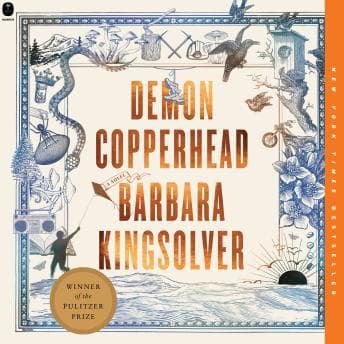
The ensemble cast of characters - the aging Hollywood legend, the troubled actress, the egotistical starlet, the bad-boy leading man - they're archetypes, sure. But Steel writes them with enough specificity that you start caring about their dramas. Little Fires Everywhere does something similar with its ensemble—different setting, same skill at making you invest in overlapping lives. The screenwriter with his eccentricities. The ingenue with actual talent. I found myself genuinely curious about where their stories would go, even when I could predict the general shape of things.
My wife Denise would call this "beach read energy" and she'd be right. (She's usually right. Don't tell her I said that.)
Jim Frangione as Your Narrator Friend
Here's where I have to talk about something that matters to me - the narration. Jim Frangione has this smooth, soothing quality that one listener described as "like having a close friend share their story." And yeah, I get that. His voice has warmth to it. He's not doing theatrical character work - this isn't a full-cast production with distinct voices for every character. Frangione brings that same restrained approach to Lover Avenged, though there he's working with much more dramatic material. But he reads with clarity and emotional understanding.
Now. Some listeners found him quiet. Even boring. I can see that perspective if you're used to more dynamic narration, the kind where the narrator is practically performing every scene. Frangione is more... restrained. He trusts the material to carry the emotional weight. For a book like this, where the drama is domestic and the stakes are personal rather than life-or-death, that approach works.
I listened at 1.0x (obviously - the author chose those words) but I could see bumping it to 1.25x if the pacing feels too leisurely for you. No judgment. Okay, a little judgment. But I understand.
The Gut-Punch You Don't See Coming
Steel does something interesting here. She lulls you into this pleasant Hollywood fantasy - the glamour, the relationships, the creative collaboration - and then she hits you with real tragedy. Without spoiling it, there's a moment involving Kait's family that shifts the entire emotional register of the book. It's the kind of thing Steel does well when she's at her best: grounding the fantasy in genuine human pain.
This is why we still read the classics, actually - they remind us that stories about family and loss and perseverance aren't just entertainment. They're how we process our own lives. Steel isn't Tolstoy (I can hear my grad school professors gasping from here), but she understands something fundamental about why people turn to stories. We want to see characters survive what we fear we couldn't.
Who Should Listen (And Who Should Skip)
If you're a Steel fan, this is solid mid-tier work from her. Not her absolute best, but reliably engaging. If you're new to her, it's actually a decent entry point - the Hollywood setting gives it some sparkle that her more purely domestic novels lack.
This is perfect for long commutes, folding laundry, or - and I speak from experience here - pretending to pay attention during faculty meetings while actually living in a TV production drama. The clean production and Frangione's steady narration make it easy to follow even when your attention wanders.
Skip it if you need plot twists that actually surprise you. Skip it if quiet narration puts you to sleep. Skip it if you want literary complexity. (Go read Middlemarch instead. I'll wait.)
But if you want seven and a half hours of competent storytelling about women supporting women through Hollywood chaos and family tragedy? This delivers exactly what it promises. Sometimes that's enough. Sometimes that's exactly what you need.