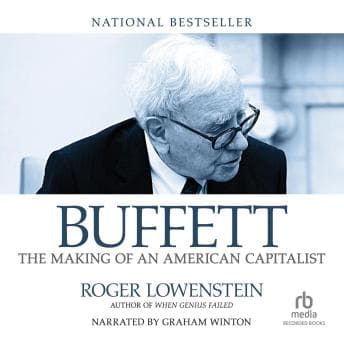

Look, I have a problem with business biographies. Most of them are hagiographies dressed up as journalism - 400 pages of "and then he made another brilliant decision" with zero acknowledgment that luck, timing, and privilege played any role. So when I started Lowenstein's Buffett at 18 hours, I was bracing myself for the worst.
I was wrong. Mostly.
The Oracle Gets Humanized (Finally)
Here's what Lowenstein does that most Buffett content doesn't: he shows you the obsession. Not the folksy "aw shucks I just buy good companies" persona that Buffett has cultivated for decades. The actual, borderline-concerning obsession with numbers, with compounding, with accumulation. The guy was calculating compound interest as a kid. He was delivering newspapers and tracking his earnings in ledgers. My parents worked 14-hour days at their dry cleaning shop, but even they had hobbies. Buffett's hobby was... more Buffett.
The book traces his evolution from a kid selling gum door-to-door in Omaha to the billionaire who still lives in the same house he bought in 1958. Lowenstein doesn't shy away from the contradictions. Buffett preaches long-term thinking but has made plenty of opportunistic moves. He talks about treating employees like family but has made cold, calculated decisions when the numbers demanded it. This is the Buffett I actually believe exists - not the cuddly grandfather figure from the annual shareholder letters.
The investment philosophy sections are genuinely useful. Buy undervalued companies. Hold forever. Ignore market noise. It's not revolutionary - my parents did this instinctively with their business. Now it has a TED talk. But Lowenstein explains the "why" behind the "what" in a way that actually sticks. The chapters on Buffett's early partnerships and his evolution from a Graham-style cigar-butt investor to a quality-focused Munger-influenced buyer are worth the listen alone.
Where Lowenstein Loses the Thread
Here's my complaint. At 18 hours, this book needed an editor with a machete. There are stretches - particularly in the middle sections covering various acquisitions - where I found myself zoning out during my morning commute. Do I need the complete history of every company Berkshire ever bought? I do not. Skip to chapter 5. Thank me later. (Actually, don't skip - but definitely bump up to 1.5x for some of the deal-by-deal recaps.)
The Charlie Munger situation bothers me. Munger is arguably the second-most important figure in Buffett's intellectual development, and he gets treated like a supporting character. It's like writing a book about Lennon and treating McCartney as a footnote. I get that this is a Buffett biography, but the partnership deserves more depth.
The writing style is solid but not exceptional. Lowenstein is a Wall Street Journal guy, and it shows - clean, professional prose that gets the job done without any memorable turns of phrase. Compare this to something like "When Genius Failed" (also Lowenstein, ironically) and you can feel the difference in energy. Very Punchable Face had that same problem—pleasant enough but missing the spark that makes you actually care. That book had stakes and drama. This one sometimes reads like a very well-researched Wikipedia entry.
Graham Winton Earns His Audie
Winton has an Audie Award for a reason. His voice is pleasant without being soothing to the point of sleep-inducing (a real risk with 18-hour business books). He handles the dialogue sections well - you can actually distinguish between characters - and his pacing stays consistent throughout. No weird emphasis choices, no mispronounced financial terms. The guy did his homework.
For a book this long, narrator quality matters more than people realize. I've abandoned plenty of business audiobooks because the narrator made everything sound like a pharmaceutical disclaimer. Winton keeps things engaging enough that I actually finished this one, which is saying something. My 2.0x speed worked fine for most sections, though I dropped to 1.5x for the more technical investment explanations.
Who Gets Value Here (And Who Doesn't)
If you're genuinely interested in investment philosophy and want to understand how Buffett thinks - not just what he does - this delivers. If you're looking for a quick business inspiration hit, go read his annual letters instead. They're free and take 20 minutes. Skip this if you want entertainment; commit if you want education.
The Bottom Line on 18 Hours
This is the definitive Buffett biography, and it earns that title. But "definitive" doesn't mean "essential for everyone."
The 18-hour runtime is a commitment. I listened over about three weeks of commutes and gym sessions. Worth it for me because I work with founders who constantly reference Buffett without actually understanding him. Now I can call them out with specifics. (Jenny says this makes me insufferable at dinner parties. Jenny is right.)
For investors, finance nerds, and anyone building a business - this is a solid investment of your time. Just don't expect entertainment. Expect education.








![Steve Jobs [unabridged audiobook] audiobook cover](/_next/image?url=https%3A%2F%2Fcovers.audiobooks.com%2Fimages%2Fcovers%2Ffull%2F9788499923406.jpg&w=1920&q=75)