
I've taught Proverbs to high schoolers for two decades. Usually alongside Ecclesiastes, trying to convince sixteen-year-olds that ancient wisdom literature isn't just fortune cookie philosophy with better PR. I've had better luck with Children's Bible, which at least gives them narrative hooks to grab onto. Most of them tune out. The ones who don't? They're the ones who catch something I missed.
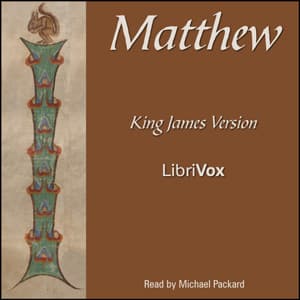
So when I put on Michael Packard's reading during a late-night grading session—AP essays on The Great Gatsby, if you're curious—I expected background comfort. Familiar verses washing over me while I bled red ink onto papers about the green light. What I got was something else entirely.
The Cadence of Centuries
Here's what struck me: Packard reads the KJV like he understands that this text was meant to be heard, not skimmed. The antithetical parallelism that runs through Proverbs—"The wise inherit honor, but fools get only shame"—lands differently when someone gives the second clause its proper weight. He doesn't rush the contrasts. The pause between wisdom and foolishness isn't dead air; it's the space where the lesson lives.
At two hours, this is essentially a concentrated dose. No narrative arc, no character development in the traditional sense. Just aphorism after aphorism, instruction layered on instruction. Packard's approach is appropriately instructional without becoming monotonous—which, trust me, is harder than it sounds. I've heard readers turn wisdom literature into a shopping list.
Woman Wisdom Speaks (And We Should Listen)
What surprised me—and shouldn't have, given how many times I've taught this book—was how much the personification of Wisdom as female dominates the early chapters. Packard handles her first-person speeches with genuine authority. "Doth not wisdom cry? and understanding put forth her voice?" When he reads these passages, you hear an ancient voice calling from the city gates, not just a man reading from a lectern.
The repeated warnings about the "strange woman" are... well, they're there. They're part of the text. Packard reads them straight, which is probably the right call. The New Testament handles gender dynamics differently, though explaining those shifts to teenagers requires more coffee than I usually have. (My students always have questions about these sections. My answer: "Context matters. Also, your essay on Fitzgerald is due tomorrow.")
Where It Works, Where It Doesn't
Let me be honest about what this is and isn't. This is a clean, competent reading of one of the most influential pieces of wisdom literature in Western civilization. Packard's voice is clear, his pacing measured, his tone appropriately serious without becoming ponderous.
What it's not: a performance. There's no dramatic interpretation here, no attempt to distinguish Solomon's voice from the voice of Wisdom from the voice of the father instructing his son. It's a reading, not a dramatization. For Proverbs, I actually think that's the right choice—the text is already doing the work. A narrator who tried to add too much would get in the way.
But it does mean this isn't the audiobook to put on during your morning commute and expect to be riveted. Proverbs demands attention. "The fear of the Lord is the beginning of wisdom" hits differently when you're actually listening versus when you're navigating traffic and half-hearing syllables.
The Pace Problem (That Isn't Really a Problem)
Two hours. That's nothing. That's less time than I spend grading on a slow night. But Proverbs isn't meant to be consumed in one sitting. The wisdom literature tradition was about returning, meditating, letting individual proverbs work on you over time.
I found myself pausing between chapters. Going back. Letting "Train up a child in the way he should go" sit with me while I marked another essay about Daisy Buchanan's carelessness. The brevity of the audiobook means you can return to it—and you should.
Skip If You Want Entertainment, Stay If You Want to Think
If you're looking for an accessible entry point to the KJV's Proverbs, this works. If you want something to accompany focused study or meditation, this works. If you're a teacher looking for a way to let your students hear the rhythm of the text, this works.
But if you want entertainment, look elsewhere. If you want a narrator who'll make you forget you're listening to scripture, that's not what's happening here. Packard serves the text. The text is remarkable. The performance is the vehicle, not the destination.
Class Dismissed
Maybe not worth pausing the faculty meeting for. But worth pausing the grading? Worth an evening walk along the lakefront with Denise while Solomon's ancient voice reminds you that wisdom is more precious than rubies? Yeah. That I can recommend.
The prose deserves to be savored. At 1.0x, obviously. My students would hate this. I love it.