
I've been teaching literature for twenty years, and I still can't get through the Book of Job without wanting to argue with God. Not in a crisis-of-faith way—more in a "this is genuinely the most frustrating theological debate in Western literature" way. So when I decided to listen to the LibriVox version during my lakefront walks with Denise, I knew I was signing up for some internal screaming.
And honestly? The screaming happened. But not always for the reasons I expected.
The Problem of Many Voices (Literally)
Here's the thing about LibriVox volunteer recordings—they're a beautiful act of literary democracy. Free audiobooks, created by people who love texts enough to read them aloud for strangers. I respect that deeply. But Job is a peculiar book to divide among multiple readers, because the whole narrative hinges on voice. Job's voice. God's voice. The insufferable voices of Eliphaz, Bildad, and Zophar—those "friends" who show up to comfort Job and instead deliver the ancient equivalent of "have you tried yoga?"
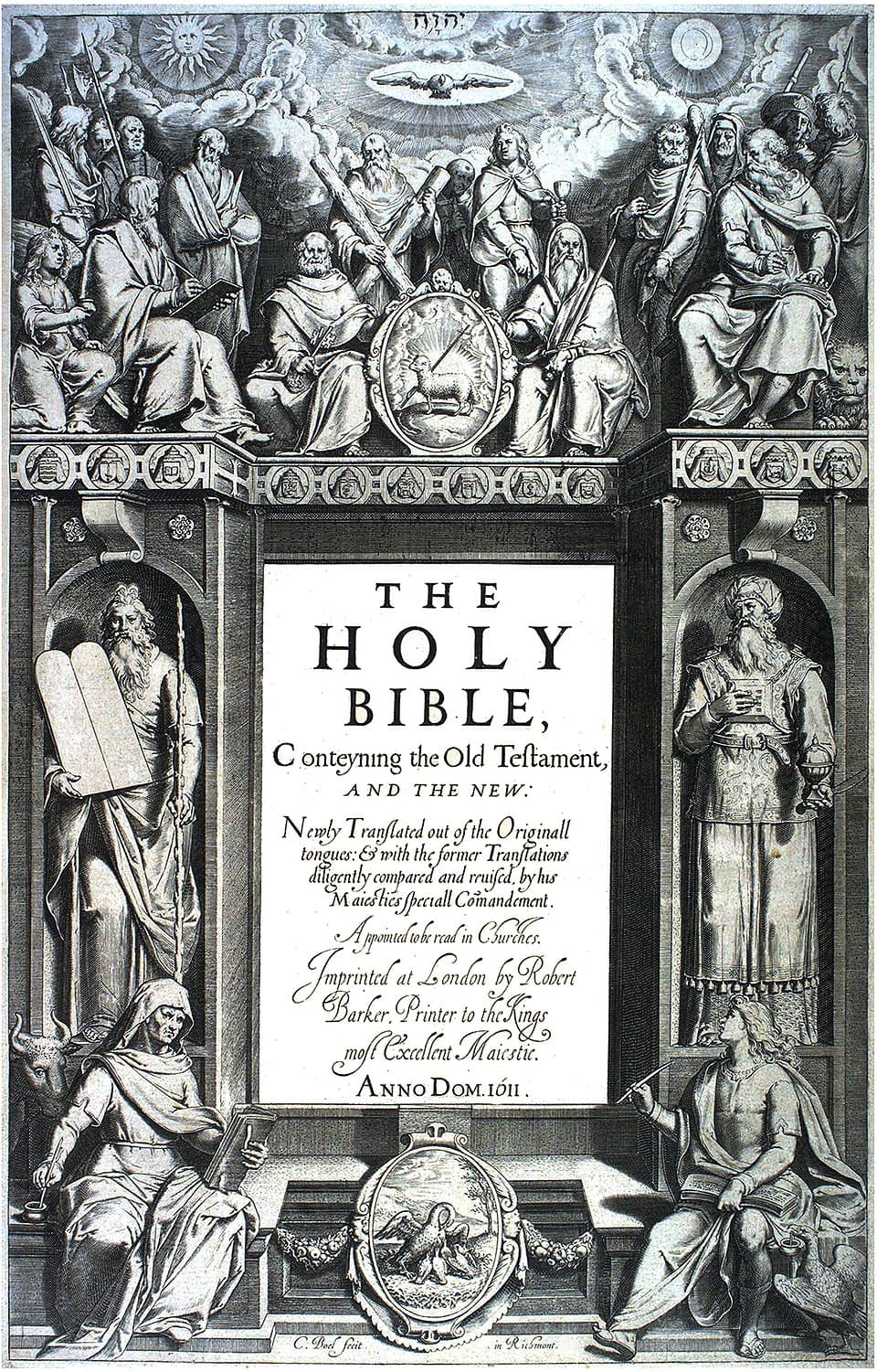
Some volunteers nail it. There are moments where the KJV language—that gorgeous, archaic, "hast thou" and "wherefore" poetry—lands exactly as it should. Heavy. Deliberate. The kind of prose that demands 1.0x playback because every syllable was chosen four hundred years ago by scholars who understood that rhythm is theology.
But then you'll hit a chapter where the reader shifts, and suddenly the pacing changes, or the emotional temperature drops. It's jarring. Not bad, exactly. Just... inconsistent. Like watching a play where the actors keep getting swapped between scenes.
Where the Text Carries Itself
Here's what my students never understand about Job: it's not really about suffering. I mean, yes, obviously it's about suffering—the man loses everything, gets covered in boils, and sits in ashes while his friends lecture him about secret sins. But the actual point is the argument. Job demands answers from the universe, and the universe eventually responds with the longest "who do you think you are" speech in religious literature. That same cosmic confrontation—a human demanding meaning from forces beyond comprehension—drives The Alchemist, though Coelho wraps it in considerably gentler language.
"Where wast thou when I laid the foundations of the earth?"
That line hits different when you hear it spoken aloud. Even with varying narrator quality, the text itself is so powerful that it punches through. The poetry in chapters 38-41, where God finally speaks from the whirlwind—that's some of the most extraordinary writing in any ancient text. Period. I don't care if you're religious or not. As literature, it's staggering.
The volunteers, to their credit, mostly understand this. The dramatic reading style works for Job because Job IS drama. It's a cosmic courtroom scene disguised as wisdom literature. When the readers lean into that—when they let the weight of the language do the work—it's genuinely moving.
Who Should Press Play (And Who Should Skip)
At two hours and five minutes, this is a manageable listen. I finished it over three morning walks, which felt appropriate. Job is a book that benefits from fresh air and movement. Sitting still while someone describes divine suffering tests feels claustrophobic.
If you want a polished, professional audiobook experience with a single narrator who can voice God with appropriate thunder and Job with appropriate anguish—this isn't it. Look elsewhere. Pay for the professional recording. But if you want free access to one of the most profound texts in human history, read by people who genuinely care about preserving it? This works. The audio is clean, the enunciation is clear, and the reverence for the source material is obvious.
My students would hate this. Too slow, too formal, too much archaic language. But that's precisely why I love it. The KJV wasn't written for speed. It was written to be heard in cathedrals, absorbed slowly, wrestled with. The LibriVox volunteers understand that, even when their execution is uneven.
Class Dismissed
I kept coming back to something one of the volunteers apparently said in a review: "A valuable free resource for those wanting to hear the KJV Bible audibly." That's exactly right. Valuable. Free. Imperfect but sincere.
Job asks the hardest question literature can ask: why do good people suffer? And the answer the book gives—that the universe operates on scales we cannot comprehend—is either deeply comforting or deeply unsatisfying, depending on your disposition.
This audiobook won't resolve that tension for you. But it will let you hear the question asked in language that's survived four centuries. That's worth something. Even if you have to forgive the occasional monotone chapter.
(Don't tell Principal Martinez I was listening to ancient Hebrew poetry during his budget meeting. Though honestly, Job's friends giving terrible advice felt thematically appropriate.)