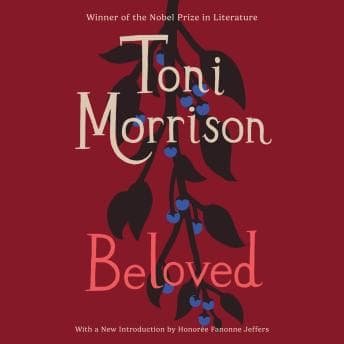

Look, I need to tell you something before we even start: I had to pause this audiobook seventeen times. Not because I was confused—though honestly, sometimes I was—but because I couldn't see my design work through the tears. Frida kept jumping on my desk like she was genuinely concerned. Diego just judged me from across the room. Same as always.
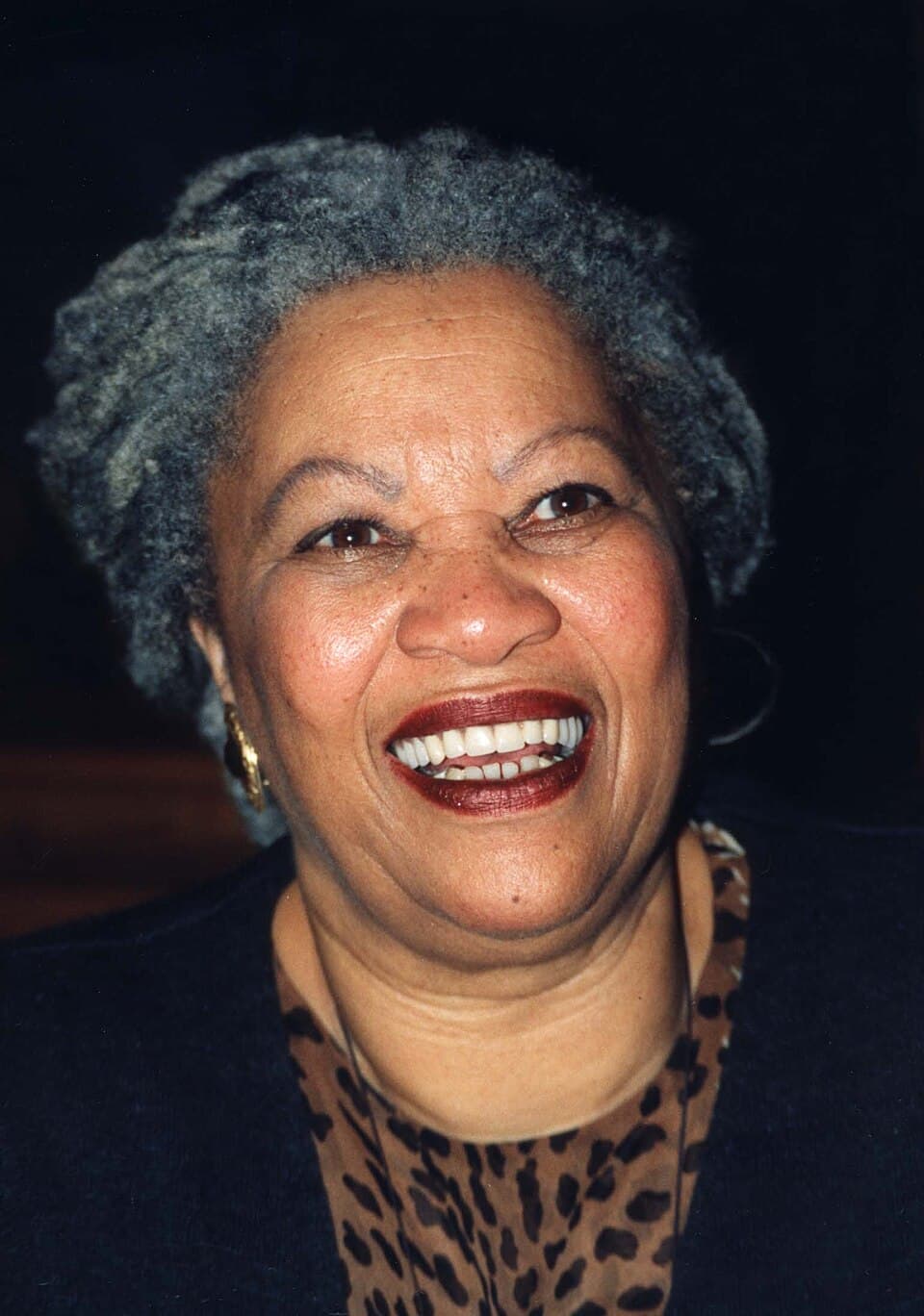
So here's the thing about Beloved. Toni Morrison reading her own words? It's not just an audiobook. It's something else entirely. It's like she's sitting in your living room, in that worn armchair your abuela used to have, and she's telling you a story that hurts so much you almost can't bear it, but you also can't look away. Her voice is warm and clear and carries this weight—this hard-won wisdom that comes through in every single syllable.
And my heart. MY HEART.
I started listening on a Tuesday morning, working on a logo redesign for a local bakery. By chapter three I'd completely abandoned the project and was just... sitting there. Staring at nothing. Because Morrison doesn't let you multitask through this. She demands your whole self.
The Story That Circles Back
The narrative itself—okay, I'm not going to pretend I followed every thread on the first pass. It jumps around. Past bleeds into present. Voices overlap and merge and separate again. There were moments where I genuinely wasn't sure whose memory I was inside. But here's what I've realized: that's the point. Trauma doesn't organize itself into neat chapters. It circles back. It haunts. Literally, in this case—there's a ghost, and she's not subtle about it.
Sethe escaped slavery but she's still not free. That line kept echoing in my head for days after I finished. Because freedom isn't just about physical chains, is it? It's about what lives inside you. What you carry. What you can't put down no matter how far you run.
Abuela would have loved this one. She would have clutched her rosary and whispered prayers and probably called me three times to discuss it. She understood generational pain in a way I'm still learning. Tattooist of Auschwitz hit me the same way—different history, same unbearable weight of what people carry forward. Listening to Morrison describe the weight mothers carry—the impossible choices, the love that becomes its own kind of violence—I kept thinking about all the stories Abuela never told me. The ones she protected me from.
Morrison Reading Morrison
The narration is... honestly, I don't have adequate words. Morrison reads with this lyrical, almost musical quality. It's poetry spoken aloud by the poet herself. There's an intimacy that a hired narrator—even a brilliant one—couldn't replicate. When she voices Sethe, you feel the exhaustion in her bones. When Denver speaks, there's this hunger, this desperate need to understand her own history. And Beloved herself? Chilling. Otherworldly. Morrison makes her sound like something not quite human, which is exactly right.
Who This Is (and Isn't) For
If you need a book that moves fast and explains everything clearly, this isn't it. The pacing is slow. Deliberately so. You're meant to sit with the discomfort. To let the horror of what happened at Sweet Home settle into your body the way it settled into Sethe's. Some listeners find this frustrating—I get it. Skip this if you're looking for linear storytelling or something to half-listen to while cleaning. But if you want literature that cracks you open and rearranges something inside you? If you're ready to feel everything? This is the one.
This book felt like being submerged in cold water and somehow also wrapped in the warmest blanket. It's brutal and tender in the same breath. Morrison doesn't look away from the ugliest parts of American history, but she also finds these moments of such profound beauty that you almost can't breathe.
There's a reason this won the Pulitzer. There's a reason Morrison won the Nobel Prize. And there's a reason I'm adding this to my permanent collection—the books I'll return to when I need to feel something real.
The vibes are... I don't even know if "immaculate" covers it. The vibes are sacred. This is a rainy Sunday book, but also a "call in sick and process your entire emotional history" book. Keep tissues nearby. Maybe a blanket. Definitely don't try to work through it like I did.
Content warning, though—this book deals with slavery in unflinching detail. Violence, trauma, abuse, all of it. Morrison doesn't sensationalize, but she doesn't soften either. If you're not in a place to hold that weight right now, it's okay to wait.
But if you're ready? Listen at 1.0x. Savor every word. Let Toni Morrison's voice wash over you like the river that runs through this story—carrying everything, remembering everything, refusing to let the past stay buried.
Adding This to the Spreadsheet
I ugly-cried at least four separate times. No regrets.