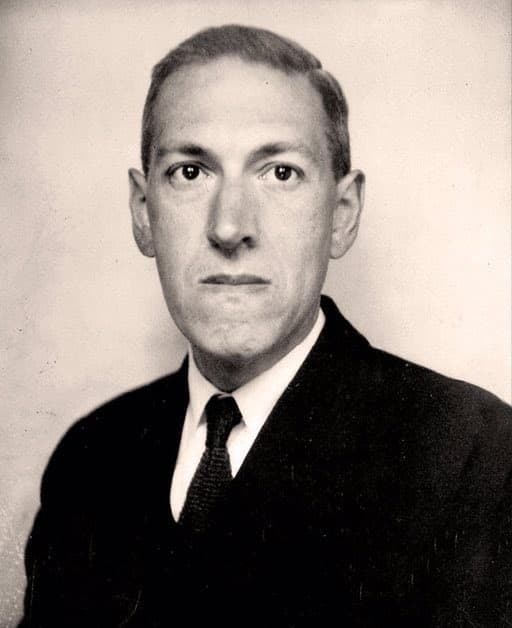

Everyone told me early Lovecraft was rough. Unpolished. The work of a teenager who hadn't found his cosmic horror voice yet. And yeah, they're right. But here's the thing - at 3 AM when the unit is quiet and you're charting on a patient who coded twice and somehow made it, sometimes you don't want Cthulhu. Sometimes you want something small and dark and contained.
Sixteen minutes. That's it. I listened to this in the parking lot before walking into my shift, sitting in my car with the engine off, watching the security lights flicker. Perfect mood setter, honestly.
Lost in Mammoth Cave (Metaphorically Speaking)
Lovecraft wrote this when he was like sixteen, and it shows - but not always in bad ways. The premise is simple: a tourist gets separated from his guide in Mammoth Cave, wanders in complete darkness until his torch dies, and encounters... something. The buildup is genuinely creepy. That primal fear of being underground, alone, in absolute darkness? As someone who's worked codes in basement morgues during power outages - yeah, that hits different. That same claustrophobic dread shows up in Dark Tower II: The Drawing of the Three, though King's monsters are a hell of a lot more creative than whatever's crawling around Mammoth Cave.
The prose is purple as a bruise. Lovecraft at sixteen was clearly reading too much Poe and trying to sound Important. Lots of "I was plunged into the blackness" and elaborate descriptions of his terror. But the core fear works. Losing your sight, losing your sense of direction, becoming prey in a place where humans were never meant to linger.
The twist at the end is predictable now - we've seen this story told a thousand times since 1905. But that's because Lovecraft and his contemporaries invented these tropes. Hard to fault the original for being familiar.
BroBry's Cave Voice
Here's where I have to be honest: there's not a lot of information out there about this narrator, and sixteen minutes doesn't give you much to evaluate. BroBry reads it straight, no dramatic flourishes, which actually works for the material. The breathless Victorian prose doesn't need someone hamming it up.
The pacing felt right for a horror short - deliberate without dragging. Clean audio, no weird background noise or obvious cuts. For what's essentially a public domain reading, it's competent. Not spectacular, not offensive. Just... solid.
I will say the ending revelation could've used a bit more weight. When you finally understand what the beast IS, there should be a moment of horror in the delivery. Instead it's almost matter-of-fact. But again - sixteen minutes. Not a lot of room for dramatic range.
Who Should Listen (And Who Should Skip)
Lovecraft completists who want everything in audio form. Horror fans curious about where cosmic horror started (spoiler: not here, this is more Gothic than cosmic). People who want something short and creepy for a quick listen.
Skip this if you need action, if purple prose makes you want to throw things, or if you're expecting the Lovecraft of "The Call of Cthulhu." This is baby Lovecraft. Training wheels Lovecraft. If you want something with actual investigative momentum instead of atmospheric wandering, P Is for Peril delivers that procedural satisfaction without making you wade through Victorian vocabulary.
Also - and I say this as someone who reads medical charts written by residents at 4 AM - the prose is DENSE. If you're tired, you might miss things. The vocabulary is deliberately archaic even for 1905.
Night Shift Prescription
Look, for free on most platforms and under twenty minutes, this is a perfectly acceptable horror snack. It's not going to change your life. It's not going to give you nightmares (though the image of something that was once human crawling through caves for years is pretty unsettling when you think about it too hard).
I listened to it once, thought "huh, that was creepy," and moved on with my shift. Carlos asked why I looked thoughtful at breakfast and I tried to explain early Lovecraft to him. He nodded politely and made me more coffee. That man is a saint.
This is the audiobook equivalent of an amuse-bouche before a full meal. A taste. A hint of what Lovecraft would become. Not essential, but not a waste of your time either.
Perfect for that post-shift decompression when you want something short and dark before you face the sunrise.