
Why do we, as Christians, keep fumbling the conversation about race?
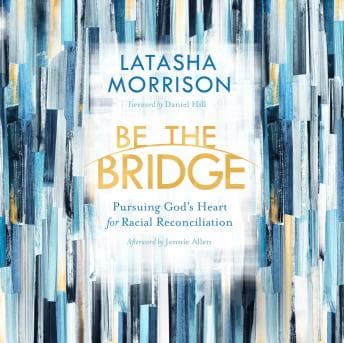
I've been sitting with this question for weeks now, ever since I finished listening to Latasha Morrison's Be the Bridge during my morning jogs through Cambridge. And honestly? The book didn't give me easy answers. It gave me something harder—a framework for understanding why the silence in churches feels so loud, and what we might actually do about it.
The Psychology of Collective Avoidance
Here's what struck me as a researcher who studies how narratives shape identity: Morrison isn't just writing a book about racial reconciliation. She's essentially conducting a massive group therapy session for the American church. The protagonist here—if I can call it that—is white evangelical Christianity, and it exhibits classic avoidance behavior. The research actually shows that communities under stress often retreat into silence rather than confrontation. It's a survival mechanism. But Morrison argues (and I think she's right) that this particular silence is killing us. Bhagavad Gita: Treatise of Self-help takes a different spiritual tradition to similar questions about moral action and communal responsibility.
What makes her approach compelling is the biblical scaffolding. Lamentation. Confession. Forgiveness. These aren't just religious buzzwords she's throwing around—they're structured psychological interventions dressed in theological language. My therapist would have thoughts about this, probably approving ones. The progression mirrors trauma recovery frameworks I've studied, which... look, I don't know if Morrison did that intentionally, but it works.
The historical sections hit different when you're listening versus reading. She walks through the complexities of American racial history with this patient, almost pastoral tone. Not angry (though she'd have every right to be). Not accusatory. Just... clear. Like she's explaining something to someone she genuinely believes can understand if they just listen long enough.
When the Author Becomes the Voice
Author-narrated audiobooks can go really well or really badly. There's no in-between. Morrison narrating her own work? It goes well. Very well.
Her voice has this quality I can only describe as firm gentleness. (Is that a thing? I'm making it a thing.) She's not performing the book—she's having a conversation with you. During the sections about her personal experiences with racism, you can hear the weight of lived experience in her delivery. No actor could replicate that specific texture of authenticity.
The pacing is deliberate without dragging. At five hours and change, it's the perfect length for a book asking you to sit with uncomfortable truths. Long enough to go deep, short enough that you can't use "I don't have time" as an excuse. (I tried. It didn't work.)
The prayers and liturgies scattered throughout—I wasn't expecting those to land as hard as they did in audio format. There's something about hearing someone pray, genuinely pray, that hits differently than reading words on a page. It felt almost intrusive, like I'd walked into someone's private moment with God. In a good way? I think in a good way.
Who Should Listen (And Who Should Skip)
Let me be direct: if you're looking for a purely secular treatment of racial justice, this isn't it. Morrison is unapologetically Christian, and the entire framework assumes you believe the gospel has something to say about how we treat each other. If that's not your lane, you'll probably find the constant biblical references frustrating. Skip this one and look elsewhere.
But if you're a person of faith who's been wanting to engage with these conversations and genuinely doesn't know where to start? This is a fascinating case study in how to do hard things with grace. The discussion questions at the end of each section make it obvious this was designed for group engagement—church small groups, book clubs, that sort of thing.
I found myself asking: why does this book work when so many others on similar topics feel preachy or guilt-trippy? I think it's because Morrison isn't trying to make you feel bad. She's trying to make you feel capable. There's a difference.
Content warnings are real—discussions of systemic oppression, historical racial violence, ongoing injustice. It's not light listening. I wouldn't recommend this for bedtime unless you want to lie awake processing your feelings about American Christianity. (Don't ask how I know this.)
The Diagnosis, and the Hope
For a morning commute? For those moments when you want something that challenges you to be better? Morrison's voice in your ears, patient and clear and somehow hopeful despite everything—that's worth your time. That's worth a credit.
The author understands human nature. The messy, avoidant, well-meaning-but-failing parts of it. And she still thinks we can do better. Psychologically, that tracks.