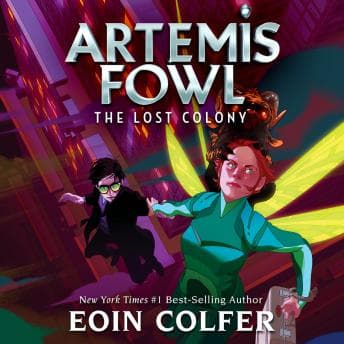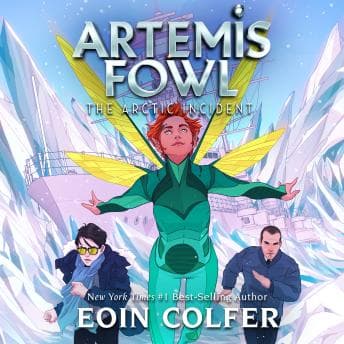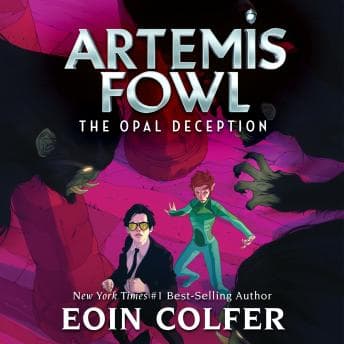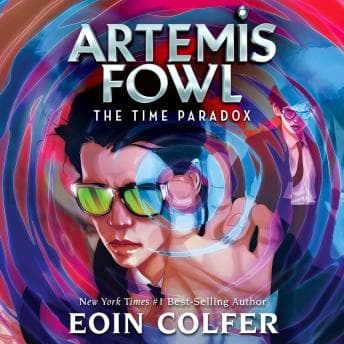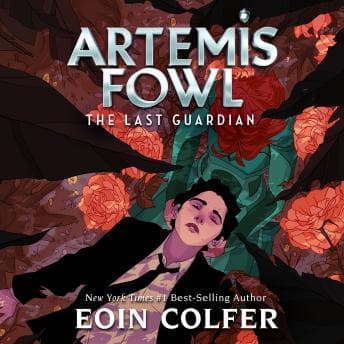

"I am Artemis Fowl. And I have one more plan."
That line—somewhere around hour six, I think—hit me way harder than I expected from a middle-grade series finale. I was up at 2 AM supposedly debugging a procedural terrain generator for my thesis. Dr. Patel would be thrilled to know that instead, I was sitting in the blue glow of my monitor with tears forming because a thirteen-year-old criminal mastermind was about to make the most Artemis Fowl decision possible.
Eight Books Deep and Colfer Still Has the Audacity
Look, the Artemis Fowl series was basically my gateway drug into fantasy before I discovered Sanderson and never looked back. I read the first book in the back of the Jasper County Library while our DM was late to a session. So finishing this series on audio felt like closing a loop. And Colfer closes it well. The plot itself is peak Artemis—Opal Koboi has found a way to reanimate ancient fairy warriors buried on the Fowl Estate, and their spirits start possessing everything from corpses to Artemis's toddler brothers Myles and Beckett. Yes, possessed toddlers. The image of little Beckett headbutting fairy warriors while being controlled by an ancient spirit is simultaneously horrifying and hilarious, which is kind of the whole series in a nutshell.
The ending cycles back to the beginning of the series in a way that gave me serious narrative satisfaction. That cyclical structure—Artemis essentially meeting Holly again as if for the first time—is the kind of bookend that makes you want to immediately restart the whole series. The progression is satisfying. Colfer earns the emotional payoff because he's spent eight books building these relationships. When Holly and Artemis have their final moments together, it works because we've watched this kid go from sociopathic child genius to someone who would sacrifice everything for the people he loves.
My D&D group would love the tactical elements here, honestly. The Fowl Estate siege plays out almost like a combat encounter—limited resources, possessed enemies you can't just kill because they're in the bodies of children and animals, and Artemis running the whole thing like a war room strategist. Butler fighting while trying not to hurt possessed wildlife? That's a moral dilemma my paladin player would agonize over for three sessions.
The Narrator Swap That Nobody Asked For
Okay, here's where it gets complicated. If you've listened to books 1-7 with Gerry O'Brien, Nathaniel Parker is going to throw you. Hard. It's like if someone replaced Steven Pacey halfway through The First Law trilogy—you'd riot. Parker is a competent narrator. His timing on Colfer's humor lands well, and he nails the sarcasm that makes this series tick. His Foaly has a nice smugness to it.
But his Artemis sounds wrong to my ears. Too warm, maybe? Artemis should sound like a kid who learned to speak by reading financial reports. And his Opal Koboi—I genuinely winced a few times. There's a scene where Opal is monologuing about the destruction of humanity, and the voice Parker gives her undercuts the menace. She should be terrifying AND absurd, and he leans too hard into absurd.
That said, by about hour three I'd mostly adjusted. Parker handles the emotional beats of the finale with genuine weight. When things get dark—and they do get darker than you'd expect from a kids' series—his delivery earns it. He's not bad. He's just not the voice that lives in your head for these characters if you grew up with O'Brien.
Who's Rolling Initiative on This One
If you've read the whole Artemis Fowl series, you owe it to yourself to finish. The story deserves the closure, and at 7 hours 40 minutes, it's a quick commitment. Yes, the narrator change is jarring. Push through it.
If you've never read Artemis Fowl—please don't start here. Go back to book one. This is Sanderson-level world-building in terms of how the fairy tech and magic systems layer on top of each other across the series, and you need that foundation. The layered mythology reminds me of what Instinct: Chronicles of Nick attempts with its supernatural lore—though Colfer builds his over eight books where Nick's series is still mid-construction.
For kids? Absolutely. There's violence and some intense moments, but Colfer never makes it gratuitous. My twelve-year-old self would've lost his mind at this finale. My twenty-six-year-old self just quietly cried into his keyboard at 2 AM instead. Growth.
Save File: The Campaign Is Over
I read this instead of writing my thesis, and I don't regret it. The Artemis Fowl series isn't perfect, and this isn't its strongest entry—the narrator swap costs it something real. But the story itself is a worthy ending for a character who meant a lot to a lot of nerdy kids sitting in the back of libraries. Colfer sticks the landing. If you don't like info-dumps, this isn't for you (but you're wrong)—the fairy lore payoff in this book is eight volumes in the making, and it's worth every minute.