
What do we actually mean when we say a book is 'timeless'?
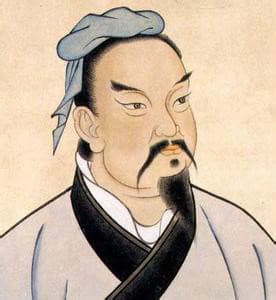
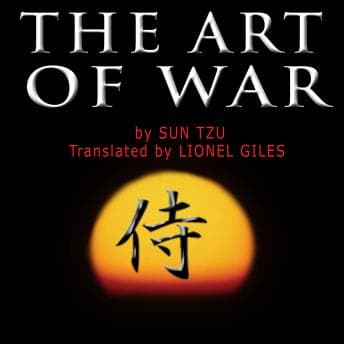
I've been teaching literature for two decades, and I throw that word around like confetti at graduation. But walking the lakefront last Tuesday, listening to Sun Tzu's 2,500-year-old military treatise while joggers passed me in their moisture-wicking everything, I finally understood what timeless really means. It means a Chinese general from the 6th century BC can still make you stop mid-stride because he just described your department meeting.
The Shortest Classic You'll Ever Feel Guilty About
At one hour and ten minutes, this is barely a commitment. You could finish it during a long commute or while pretending to organize your classroom. And yet—here's where I have to be honest with you—I've listened to it twice now. Not because the narration demanded it, but because Sun Tzu writes in aphorisms so dense that your brain needs a second pass. Each of the thirteen chapters hits like a separate thesis statement. "All warfare is based on deception." "The supreme art of war is to subdue the enemy without fighting." These aren't just military principles. They're the operating manual for every bureaucracy I've ever navigated.
This reminds me of what Hemingway said about writing—the dignity of movement of an iceberg is due to only one-eighth of it being above water. Sun Tzu gives you that one-eighth. The rest, you supply yourself.
Erick Abraham's Double-Edged Sword
Here's where I have to pump the brakes on my enthusiasm. Abraham reads with clarity—no mumbling, no theatrical nonsense, just clean delivery. But he reads fast. Really fast. And for a text that demands contemplation, that pace becomes a problem.
I listen at 1.0x because the author chose those words. Sun Tzu chose his with particular precision, and they've survived translation after translation for millennia. Abraham treats them like items on a grocery list. By chapter three, I found myself hitting the 30-second rewind button more than I'd like to admit. If English isn't your first language, I genuinely worry you'll struggle. One listener complaint I came across put it bluntly—those not born in the US will have trouble accessing the knowledge. That's not an accent issue. It's a pacing issue.
The prose deserves to be savored. This narration doesn't let you savor.
Who This Is Really For (And Who Should Wait)
My students would hate this. Too short for an audiobook credit, too dense for background listening, too old to feel "relevant" in their TikTok-addled estimation. I love it.
But let me be specific: if you want to understand why every business book since 1980 has referenced Sun Tzu, this is your primary source. If you're a history buff curious about ancient Chinese military philosophy, absolutely. If you loved Marcus Aurelius's Meditations or Machiavelli's The Prince, this is their spiritual predecessor. I had a similar experience with Hobbit & The Lord of the Rings—essential text, but the production didn't quite match the material's gravity.
However—and this matters—if you're looking for a great audiobook experience, this particular recording isn't it. The text is essential. This production is merely adequate. The narrator's speed works against the material's natural rhythm. You're getting the words, but you're losing the weight.
Class Dismissed
Here's my honest assessment: Sun Tzu's Art of War belongs in every thinking person's library. It's influenced Napoleon, MacArthur, Mao, and probably your CEO's last quarterly strategy presentation (whether they know it or not). The text itself earns its reputation.
But this audiobook version? It's functional. Abraham is clear and professional, but he doesn't understand that pause is punctuation. He doesn't let the aphorisms breathe. For a 70-minute listen, that's not a dealbreaker—you can always relisten. But it does mean I can't give this my full endorsement.
If you've got a streaming subscription or library access, use it here. Save your credit for something where the narration elevates the material. This one just... delivers it. Competently. Quickly. Without ceremony.
The book is great. The audiobook is fine. Sometimes that's the most honest thing a teacher can say.