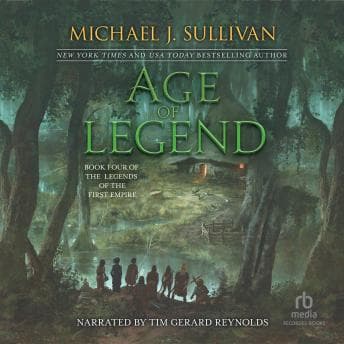

So there I was, debugging a procedural dungeon generator at 2 AM (thesis work, I swear), when I realized I'd been listening to Age of Legend for six hours straight without noticing. That's either a sign of a really good audiobook or a really broken sleep schedule. Probably both.
Look, I've been following Sullivan's Legends of the First Empire series since Age of Myth, and at this point Tim Gerard Reynolds' voice is just... part of the furniture in my brain? Like, I hear his Raithe voice when I'm making coffee. Is that concerning? Maybe. Do I care? Not even a little. Reynolds does the same thing with Hadrian and Royce in Theft of Swords - those character voices just live in your head rent-free.
The Slow Burn That Finally Ignites
Four books in, and Sullivan finally gets to cash in all those narrative chips he's been stacking. The Fhrey are pushed back, humanity's got momentum, but there's this stalemate that feels genuinely frustrating - in a good way. The answer apparently lies in some half-forgotten song, which, okay, sounds like a D&D side quest my group would absolutely derail. But Sullivan makes it work because he's been building this mythology brick by brick since book one.
The magic system here isn't Sanderson-level hard magic (nothing is, let's be real), but it's got that satisfying internal consistency where you can feel the rules even when they're not spelled out. The Art, the way different races interact with it, how that's evolved through the war - it all clicks together like a well-designed game system. My thesis advisor would probably say I should apply this level of attention to my actual research. My thesis advisor can wait.
Tim Gerard Reynolds Walked So Other Narrators Could Run
Here's the thing about Reynolds - some folks complain his character voices can sound similar, and yeah, okay, fair. He's not doing wildly distinct accents for every character. But what he DOES do is nail the emotional beats. When characters who've been through three books of war together have that tired, worn-in friendship in their banter? Reynolds gets it. The verbal sparring between characters has this lived-in quality that makes 14 hours feel like catching up with old friends.
His pacing is clean. No weird pronunciation stumbles (fantasy names are a minefield, and he navigates it). The production quality is solid - no background noise issues, no volume spikes that make you yank out your earbuds on the bus. It's the kind of narration that disappears into the story, which is exactly what you want for epic fantasy.
(Side note: apparently there's a dramatized adaptation with background sounds and stuff? I haven't tried it. Reynolds' version is canon in my head now. Sorry not sorry.)
Where the Worldbuilding Pays Off
This is book four of six, so if you're jumping in here - don't. Go back to Age of Myth. I'll wait.
For everyone else: this is where Sullivan's patient setup starts delivering. The mythology he's been building - the legends, the half-truths, the stories-within-stories - it all starts converging. There's this moment where something you heard mentioned three books ago suddenly becomes VERY relevant, and I literally said "oh no" out loud on the train. (The person next to me moved seats. Worth it.)
The character development tracks across books in ways that feel earned. These aren't the same people who started this journey, and Reynolds reflects that in how he voices them. Attitudes shift. Relationships evolve. It's the kind of long-form storytelling that makes epic fantasy worth the time investment.
Would My D&D Group Love This?
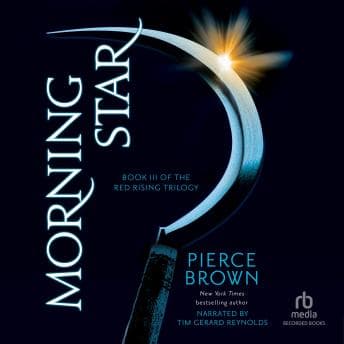
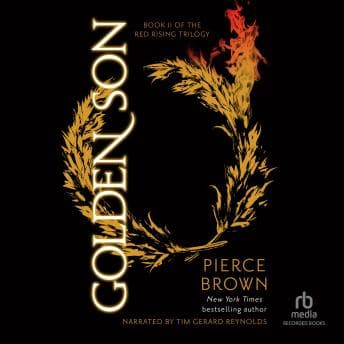
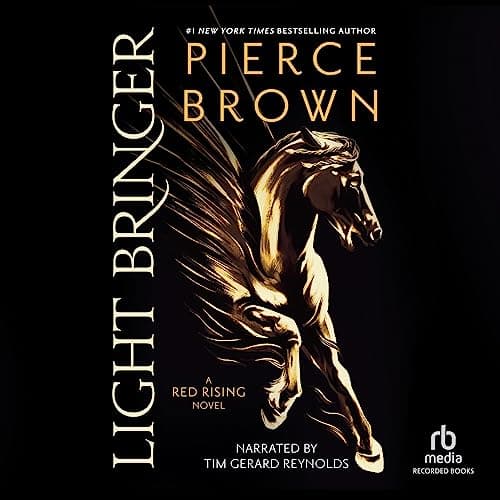
Absolutely. This is the kind of fantasy that makes you want to build campaigns. The mythology is rich enough to steal from (I'm not above it), the character dynamics would make great NPC templates, and the magic system has that gameable quality where you can imagine the mechanics. Red Rising has that same gameable feel to its hierarchy system, and Reynolds narrates that one too if you want more of his voice in your campaign prep sessions.
Who Should Listen (And Who Should Skip)
If you've been along for the ride since book one, this is where things get REAL good. Skip it if you haven't read the earlier books - the emotional payoffs won't land, and you'll be lost in the mythology. Also maybe skip if slow-burn political fantasy isn't your thing; the middle section has some pacing drag.
Fourteen hours is a commitment. But I listened to it while "working on my thesis" and honestly? Way better use of my time. Dr. Patel, if you're reading this - I'll have those revisions to you soon. Probably. Eventually.
(The Stormlight Archive isn't going to listen to itself either, but that's a problem for future Tom.)