
Most people treat budgeting like a crash diet—restrict everything until you snap and eat an entire cheesecake (or buy a new GPU) at 2 AM. I used to be the same way. I'd look at my bank statements like I look at legacy code: with deep suspicion and a strong desire to just delete it all and start over.
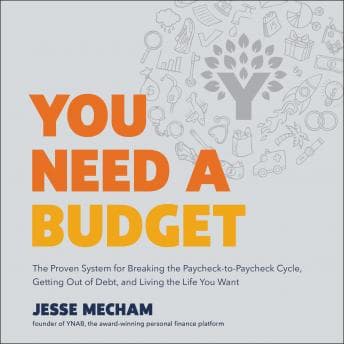
I listened to You Need a Budget while doing my Sunday meal prep—chopping vegetables for the week while Jesse Mecham tried to convince me that budgeting is actually about freedom. And weirdly, the logic holds up.
Bottom Line: From an engineering perspective, Mecham isn't teaching you how to save; he's teaching you resource allocation. The core philosophy—"Give Every Dollar a Job"—is basically zero-based indexing for your checking account. Instead of looking at a pile of cash and guessing if you can afford a trip to Tahoe, you assign every single unit of currency to a specific category before you spend it. It's malloc() for your paycheck.
The System vs. The Book
Mecham narrates this himself, and he sounds exactly like what he is: a founder who has explained this system to thousands of people. He's encouraging, clear, and thankfully lacks that manic "finance guru" energy that usually makes me want to drive into traffic. He sounds like a reasonable project manager.
We need to talk about the ROI here, though. The audiobook is under five hours. I cranked it to 2.0x because Mecham speaks at a very measured, deliberate pace—great for beginners, agonizing for anyone who processes information quickly.
The content is solid, specifically Rule 2: "Embrace True Expenses." This is the concept of amortizing large, irregular costs (car insurance, Christmas, inevitable laptop failure) into monthly "bills." It fixes the latency issue in standard budgeting where you think you have money, but you actually have a debt to your future self.
But here's the catch:
This book is essentially a very long, very persuasive manual for the YNAB software (which is a subscription service). You can do this in a spreadsheet, sure. But the book is designed to sell you on the methodology that the app automates.
Also, listening to someone describe numbers or budget categories can get dry. There's a PDF included—download it. Trying to visualize the "Age Your Money" chart while driving or chopping onions is a waste of CPU cycles.
Who Should Listen (And Who Should Skip)
If you're totally new to personal finance or stuck in the paycheck-to-paycheck loop, the philosophy here could genuinely rewire how you think about money. Current YNAB users will appreciate the deeper "why" behind the system. Skip it if you're already a spreadsheet wizard with a working budget—you won't learn new tricks, just new branding.
Final Grade
Since it's short and author-narrated (read: functional, not artistic), don't spend a full credit on it. Wait for a sale or grab it from the library. It's a manual, not a space opera.