
The "I Need a Break from 50-Hour Epics" Moment
Okay, look. I was supposed to be debugging a procedural dungeon generation script for my thesis. Dr. Patel sent me an email with the subject line "Update?" at 8:00 AM, and naturally, my response was to panic-clean my entire apartment and listen to something that absolutely wasn't related to my research.
I needed a palate cleanser. I’ve been deep in the LitRPG mines lately (stats, levels, goblin genocide—you know the drill), and honestly? My brain was turning to mush. I needed something short. Something classic. Something that didn't require me to memorize a complex magic system involving metals or colors or whatever Sanderson is cooking up this week.
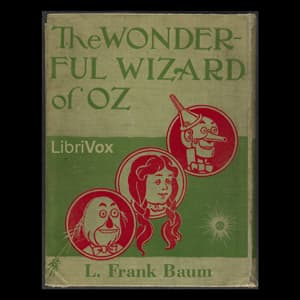
So I grabbed The Wonderful Wizard of Oz.
It’s less than four hours long. I listened to the whole thing while reorganizing my board game shelf (Gloomhaven takes up way too much space, let's be real) and scrubbing the grout in my bathroom. And you know what? It holds up.
The OG Isekai Campaign
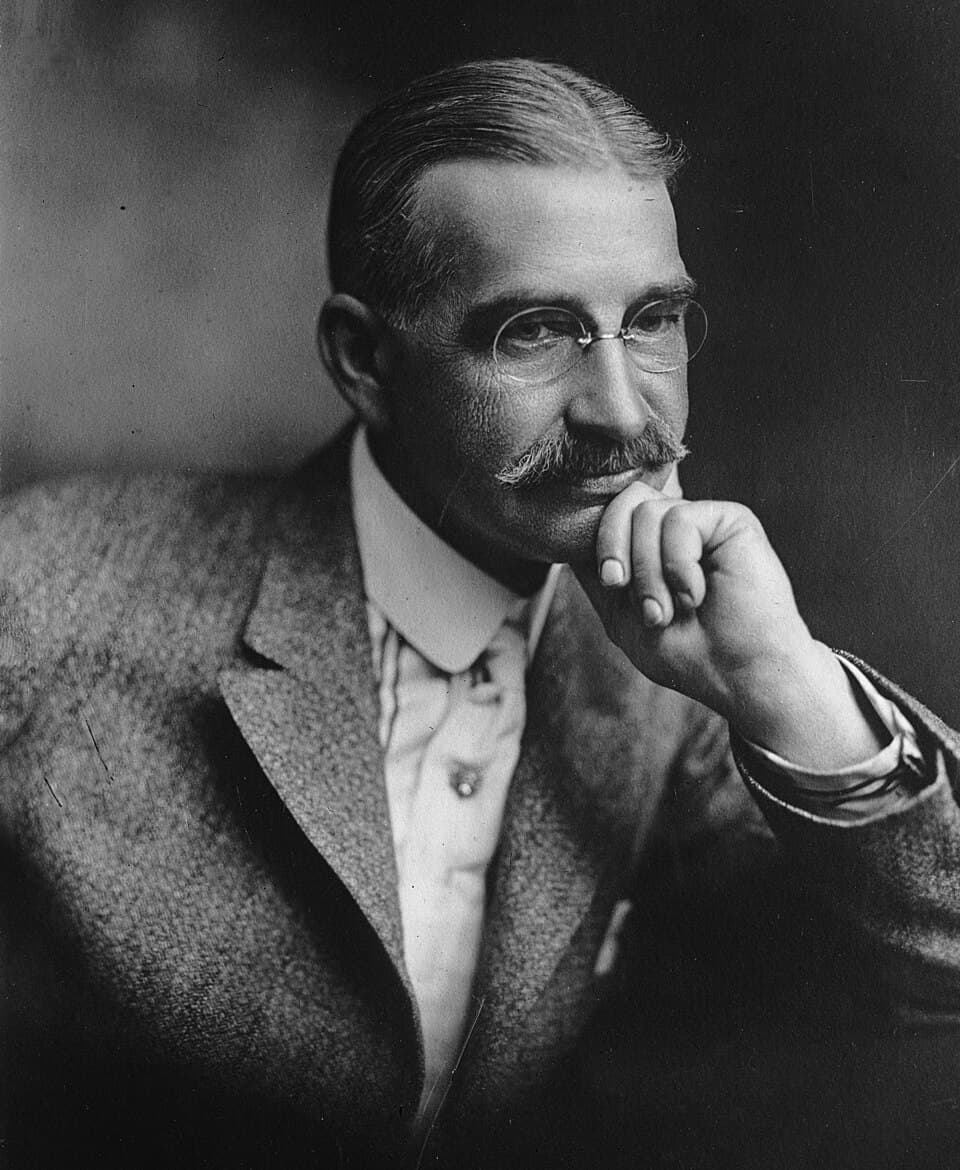
Here’s the thing nobody admits at parties: L. Frank Baum basically invented the Isekai genre.
Think about it. Dorothy gets transported to a fantasy world via a natural disaster (the 1900s version of getting hit by a truck), immediately kills a high-level witch (accidentally, but XP is XP), and loot-drops her magical shoes. Then she starts gathering a D&D party.
- The Scarecrow: High INT, low WIS (thinks he's dumb, actually solves all the puzzles).
- The Tin Woodman: The Tank. Needs maintenance (oil), prone to rust mechanics.
- The Cowardly Lion: The Barbarian who failed his fear save one too many times.
Listening to this as an adult—and a massive fantasy nerd—is a trip. The world-building is actually way weirder than the movie lets on. There are fighting trees, a china country where people break if they fall, and the violence... okay, it's not Game of Thrones, but the Tin Woodman decapitates a wildcat at one point. The weird, dark fairy tale energy reminds me of The Drawing of the Three—both have that "classic adventure story but make it unsettling" vibe. It’s surprisingly metal.
(Also, the shoes are silver in the book, not ruby. I will be that guy. I am always that guy.)
The Narrator: J. Hall
Let’s talk about the voice in my ear. J. Hall is narrating this one.
Now, I’m spoiled. I usually listen to Steven Pacey or Jeff Hays, guys who can do thirty distinct voices without breaking a sweat. J. Hall isn’t doing that. This feels more like... a really good library reading hour.
His style is super clear, very warm. It’s got that "grandfather reading by the fire" energy. He doesn't go over the top with the Wicked Witch's cackle or the Lion's growls, which—honestly?—was kind of a relief. Sometimes you don't need a full theatrical performance screaming in your ear while you're trying to code (or clean grout). You just need the story delivered cleanly.
The pacing is solid. He doesn't rush. It fits the fairy tale vibe perfectly. If you're looking for intense dramatic immersion where you forget you're listening to a book, this might feel a bit "read" to you. But for a classic? It works. It’s comforting. It’s the audio equivalent of tomato soup and grilled cheese.
Why You Should Actually Listen
If you've only seen the movie, you're missing out on the actual lore. The ending is different. The journey is different. And it’s short. After spending weeks in Storm of Swords (which I still haven't finished, don't @ me), that four-hour runtime felt like a gift.
Seriously, in the time it takes to listen to the prologue of a Stormlight Archive book, you can finish this whole story. It’s a nice reminder of where modern fantasy came from before we got obsessed with hard magic systems and political intrigue.
Plus, it’s free (or cheap, depending on where you get it), and it counts as "reading the classics." So when my mom asks what I've been doing, I can technically say I'm studying 20th-century literature.
(I am not studying 20th-century literature. I am avoiding Dr. Patel. But she doesn't need to know that.)