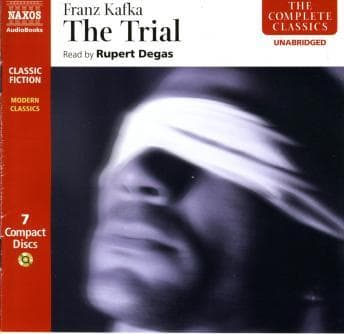

Look, I need to lodge a formal complaint with Haruki Murakami's estate or whoever handles these things. I spent twenty years teaching students that good fiction follows rules - rising action, climax, resolution, themes that announce themselves like well-behaved dinner guests. And then this man writes a novel about chasing a metaphysical sheep through the mountains of Hokkaido and somehow it works. It works beautifully. My entire curriculum feels like a lie.
I finished this at 11:47 PM while grading sophomore essays on The Great Gatsby. The irony of reading papers about symbolism while listening to Murakami - a writer who treats symbols like jazz musicians treat sheet music, as suggestions rather than instructions - was not lost on me.
When Your Narrator Sounds Like a Grad Student You'd Actually Want to Grab Coffee With
Rupert Degas does something interesting here. He reads Murakami's unnamed protagonist with this East Coast intellectual quality - not pretentious, just... thoughtful. Like someone who's read too much and processed too little, which is exactly right for this character. The advertising executive drifting through Tokyo, passively accepting increasingly bizarre circumstances, needs that slightly detached delivery.
Degas brings genuine expressive force to the philosophical musings, and there are many. When the protagonist contemplates his dissolving marriage or the nature of boredom, the narration doesn't rush. It sits in the discomfort. This reminds me of what Hemingway said about the dignity of movement of an iceberg - one-eighth above water, seven-eighths below. Degas understands that pause is punctuation.
His French accent work in the restaurant scenes is genuinely excellent. Menu items roll off his tongue with the kind of casual precision that makes you believe this character actually lives in Tokyo, actually frequents these places.
But here's where I have to be honest with you: the accent consistency falls apart in strange places. There's a Chinese bartender who sounds like he wandered in from a Texas ranch. The Rat's ex-girlfriend has this goofy Southern drawl that pulled me right out of the dreamlike atmosphere Murakami builds so carefully. It's like watching a beautiful art film where someone's cell phone rings in the background. Jarring.
The Prose Deserves to Be Savored (Even When Nothing Makes Sense)
Murakami writes the way certain students claim to think - in tangents and associations and sudden moments of startling clarity. An advertising executive uses a friend's photograph for an ad. The photograph contains a sheep with a star on its back. This sheep, it turns out, matters to very powerful and very dangerous people. Find the sheep or face dire consequences.
That's the plot. Sort of. The actual experience is something else entirely - a meditation on loneliness, on the way modern life hollows us out, on the strange comfort of absurdity. My students would hate this. I love it.
At 9 hours and 38 minutes, this isn't a quick listen. The pacing is deliberately unhurried, almost hypnotic. Murakami doesn't believe in narrative urgency the way American thrillers do. Things happen when they happen. Characters appear, deliver cryptic wisdom, disappear. You either surrender to this rhythm or you fight it. Fighting it is pointless.
I listened at 1.0x because the prose deserves to be heard at the speed Murakami intended. The sentences have a particular cadence - translated from Japanese, yes, but maintaining something of that language's patience. Speed this up and you lose the dreaminess that makes the whole thing cohere.
Worth Pausing the Faculty Meeting For (With Caveats)
This is not background listening. You cannot fold laundry to this. You cannot half-pay attention during Principal Martinez's budget presentation (not that I would ever do such a thing). The narrative complexity requires focus, and the surreal elements require you to trust the author even when - especially when - you have no idea what's happening.
If you loved Kafka on the Shore, this is its spiritual predecessor. Same dreamlike logic, same melancholy protagonist, same sense that reality is a suggestion rather than a rule. That slippery relationship with reality shows up in Testaments: The Sequel to The Handmaid's Tale too, though Atwood grounds her dystopia in something more recognizable. If you've never read Murakami, this is actually a decent entry point - shorter than 1Q84, more accessible than The Wind-Up Bird Chronicle.
Who should skip this? Anyone who needs their mysteries solved, their symbols explained, their narratives tidy. Anyone who gets frustrated when a novel refuses to tell them what it means. Anyone who thinks a Chinese bartender shouldn't sound like he's from El Paso. (Fair point, honestly.)
Class Dismissed
Degas earns his Golden Voice Award reputation here, accent inconsistencies aside. The core performance - the protagonist's wry detachment, the philosophical passages, the quiet moments of genuine emotion - is excellent. The production is clean, no audio issues, just a man reading a strange and beautiful book about sheep and loneliness and the ways we lose ourselves.
Is this a work that'll stick with you? Murakami resists easy categorization. But I finished it at nearly midnight on a Tuesday, essays ungraded, and I didn't regret a single hour. That's worth something. That's worth quite a lot, actually.