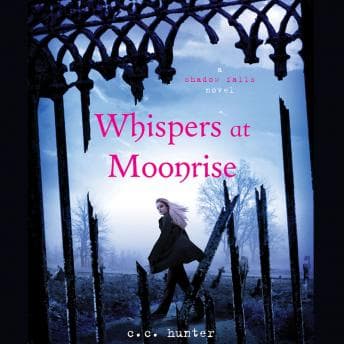

I was making chana masala at midnight — the kind of elaborate cooking my mother would approve of if she weren't horrified by the hour — when Kylie Galen started getting ghostly visits from someone who wasn't actually dead yet. I put down the wooden spoon. Because psychologically? That's a genuinely interesting premise.
Let me be clear about what this is: Whispers at Moonrise is the fourth book in a YA paranormal romance series aimed at teens. I'm a 30-something researcher who spends her days analyzing character motivation in peer-reviewed journals. So why did I listen to all twelve hours and forty-five minutes? Because C. C. Hunter — real name Christie Craig, which I found delightful — understands something about adolescent identity formation that a lot of "serious" authors don't.
The Identity Crisis That Actually Tracks
Kylie doesn't know what species she is. She exhibits traits from vampires, werewolves, fae, witches — all of them. And instead of treating this as just a fun supernatural mystery box, Hunter uses it to explore something the research actually shows about adolescent development: the terror of not fitting into any category. Erik Erikson called it identity diffusion — when you can't commit to a sense of self because nothing feels like it belongs to you. Kylie is living that, except her identity crisis comes with fangs and possible wings.
What makes this character compelling is that her supernatural ambiguity maps perfectly onto the experience of kids who grow up between cultures, between expectations, between versions of themselves other people want them to be. (Daughter of Indian immigrants raised in New Jersey on Bollywood and Agatha Christie, reporting for duty.) The love triangle — Lucas the werewolf who needs her to be something she can't be, versus Derek who accepts the impossible — isn't just romantic tension. It's a case study in conditional versus unconditional acceptance. Beneath This Mask runs a similar psychological thread — a woman performing a version of herself for everyone around her, and the cost of that performance — and I found myself doing the same kind of case-study analysis there that I'm doing here. My therapist would have thoughts about this character, and most of them would be "she needs to stop seeking external validation for her identity."
The scenes with Kylie's grandfather and aunt hit differently than I expected. There's a family revelation arc here that carries real emotional weight, the kind of generational secret-keeping that shapes how kids understand themselves. I found myself asking: why does Kylie really need to know what she is? Is it about species classification, or is it about belonging somewhere? Hunter seems to know the answer is the latter, and that's smarter than this genre usually gets.
Katie Schorr and the Art of Sounding Seventeen
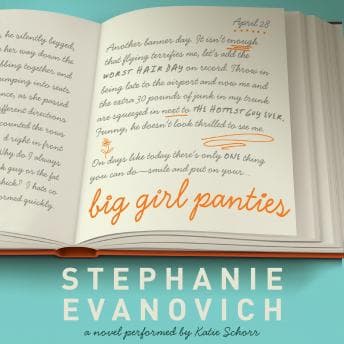
Schorr's voice has this slightly raspy, youthful quality that just works for Kylie — she sounds like an actual teenager processing too many feelings at once, not a 35-year-old doing a baby voice. The tonal shifts between characters are subtle but effective; you're not getting full-on theatrical voice acting here, which honestly suits the first-person intimacy of the story. There's one supporting character with a Southern accent that Schorr nails without turning it into caricature. Restrained. Smart choice.
Where I'd push back slightly: at nearly thirteen hours, there are stretches — especially in the middle act where Kylie is ping-ponging between Lucas and Derek — where the emotional delivery stays at one register for too long. The angst is consistent, which is realistic for a teenager, but as a listening experience, I could've used more dynamic range in those sections. I bumped it up to about 1.15x during a few of those passages and it helped.
The Ghost Problem (The Good Kind)
The Holiday-isn't-dead-yet ghost visits are genuinely creepy and structurally clever. It creates urgency that the romance plot alone couldn't sustain, and it gives Kylie something to do besides agonize over boys. The mystery of who's threatening Holiday kept me listening through my entire batch of chana masala and then some. Hunter knows how to end a book — the final act hits an emotional high that absolutely sets up the next installment, and I say this as someone who is usually immune to cliffhanger manipulation. (I noticed it. I was still affected. Annoying.)
Psychologically, the one thing that doesn't quite track: Lucas's pack loyalty versus his feelings for Kylie swings too conveniently based on what the plot needs in a given chapter. Real cognitive dissonance doesn't resolve and re-emerge that cleanly. But — and this is the concession I make for YA — the target audience is learning about these patterns for the first time. Sometimes the broad strokes are the point.
Who Gets the Most Out of This
If you're a YA paranormal fan already invested in Shadow Falls, this is the strongest installment I've encountered in the series. If you're coming in cold at book four — don't. The emotional payoffs depend entirely on accumulated relationship history. And if you're like me, a grown adult who reads character psychology into everything? There's enough here to keep your brain engaged between the supernatural set pieces. Just don't expect literary fiction. Expect a smart, emotionally honest teen voice working through an identity crisis that happens to involve shapeshifting.
Case Study: Closed (For Now)
I ate my chana masala. I finished the book. I did not immediately download book five.
I downloaded it the next morning. After my jog. Because I have some self-control.