
Look, I need to start with a complaint. Seventeen hours. Seventeen hours of heartbreak. I knew what I was getting into—I've taught this book, for crying out loud—but listening to it? While walking the lakefront at dawn? While Denise was still asleep and Chicago was quiet and the water was doing that thing where it looks like hammered silver?
I was not prepared. I was absolutely not prepared.
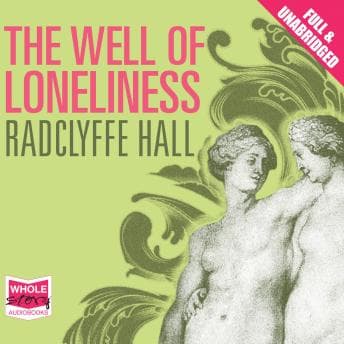
Radclyffe Hall wrote this in 1928 and they banned it. They actually took her to court over it. And here I am, almost a century later, listening to Stephen Gordon's story through earbuds while joggers pass me by, and I'm thinking: this is still radical. This is still brave. This is still breaking something open in whoever encounters it.
The Weight of Every Sentence
Hall's prose is the kind that demands 1.0x speed. (Yes, I'm that person. My students mock me. I've accepted it.) She writes with this Victorian formality that some people find dated, but honestly? It works. The restraint in the language makes the emotion hit harder. When Stephen can't say what she feels—when society won't let her name what she is—the prose mirrors that suffocation. The sentences are beautiful and they're also cages.
Laura Kirman understands this. Her narration is clear, yes, and poignant—those are the words that keep coming up in reviews, and they're accurate. But what I noticed is her pacing. She doesn't rush through the quiet moments. She lets Hall's imagery breathe. There's a scene early on—Stephen as a child, already sensing her difference, already carrying that weight—and Kirman reads it with this gentleness that made me stop walking. Just stood there by the water like an idiot, listening.
This reminds me of what Hemingway said about writing—the iceberg theory, where most of the meaning is below the surface. Hall does something similar. The tragedy isn't always in what's stated. It's in the gaps. And Kirman's delivery honors those gaps.
Why This Still Matters (And Why It Hurts)
My students would probably struggle with this one. The pacing is slow—there's no getting around it. This is a novel that unfolds over decades, following Stephen from childhood through war through love through loss. It's not plot-driven in the way contemporary fiction often is. It's character-driven in the deepest sense. You're watching a person become themselves in a world that refuses to let her exist.
And that's the gut-punch, really. Stephen is brilliant. She's athletic, she's successful, she becomes a war hero and a bestselling writer. She does everything right. And it doesn't matter. Society still won't accept her. The people she loves still get hurt by proximity to her.
I listened to the final third during a particularly tedious faculty meeting—sorry, Principal Martinez, but you were discussing parking lot logistics and I was busy having my heart broken—and I had to keep my face very still. The ending is not happy. It's not redemptive in the way we've been trained to expect. It's honest. Brutally, beautifully honest.
Who This Is For (And Who Should Brace Themselves)
If you love classics, this is essential. If you're interested in LGBTQ+ literary history, this is foundational. If you appreciate prose that demands your attention and rewards it, this is your book. Skip it if you need a hopeful ending or can't handle slow, deliberate pacing—this isn't cozy sapphic romance. This is 1928. This is a woman writing about love that could destroy her career—and it nearly did.
When She Woke explores similar territory—what happens when society criminalizes who you love—though in a dystopian future instead of Hall's interwar England.
Kirman's narration makes it accessible without softening it. She brings emotional depth without melodrama. The production is clean, no audio issues that I noticed across all seventeen hours.
Mr. Williams's Final Word
Would I listen again? Honestly, I might need a few years. But I'm glad I finally heard it instead of just reading it. There's something about having Hall's words spoken aloud—given voice, literally—that feels right. This book was silenced once. Now it gets to be heard.
The prose deserves to be savored. Even when it breaks you.