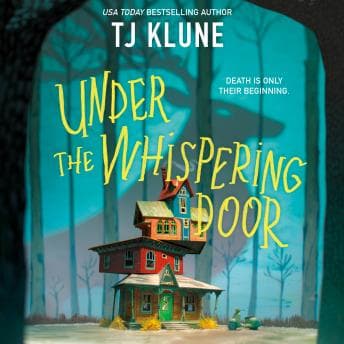

What happens when a man who never really lived finally gets a chance to learn how?
I'll be honest - I almost skipped this one. The premise sounded like it could tip into saccharine territory fast. A dead guy learns life lessons in a magical tea shop? Come on. But here's the thing about TJ Klune: he writes emotional stories that somehow never feel manipulative. And Kirt Graves? The man reads like he's brewing tea himself - unhurried, warm, and exactly right.
The Slow Burn That Actually Burns
Wallace Price is not a likeable protagonist. Not at first. He's the kind of corporate lawyer who dies at his own funeral and nobody seems particularly sad about it. (My students would call him "mid." They'd be wrong, but I get it.) The genius here is that Klune doesn't rush Wallace's transformation. He lets you sit with this prickly, defensive man as he slowly - so slowly - begins to understand what he missed.
I listened to most of this during my lakefront walks with Denise, and there were moments I had to stop and just... stand there. Not because something dramatic happened, but because a line landed exactly right. Klune writes grief the way it actually feels - not as constant tears, but as these sudden moments of clarity that knock the wind out of you. "You were so afraid of living that you forgot to try." That one got me. Denise asked if I was okay. I wasn't, really.
The pacing is deliberate. Almost meditative. If you're the type who listens at 2x speed, this isn't your book. But if you can let it unfold - if you can trust that the slow build is going somewhere - the payoff is extraordinary.
Kirt Graves Knows When to Hold Back
I couldn't find much about Graves' background beyond his audiobook work, but based on this performance, the man understands something fundamental about narration: restraint is a choice. He doesn't oversell the emotional moments. When Wallace finally breaks down, Graves doesn't go full theatrical. He just... lets it happen. The crack in the voice. The pause before the next sentence. It's performance art disguised as reading.
His character voices are distinct without being cartoonish. Hugo - the tea shop owner, the ferryman, the love interest - sounds gentle but not weak. Mei, the reaper who collected Wallace from his own funeral, gets this matter-of-fact delivery that's somehow both intimidating and endearing. And Apollo, the ghost dog? Yes, there's a ghost dog, and the way Graves handles those scenes - the little huffs and whines woven into the narrative - made me smile every single time.
The pacing matches the prose exactly. AudioFile called it "focused but unhurried" and that's precisely it. Graves brews this story the way Hugo brews his tea - with patience, with care, with the understanding that some things can't be rushed.
Found Family, But Make It About Death
If you've read The House in the Cerulean Sea, you know what you're getting into. Klune writes found family stories wrapped in fantasy premises, and he does it with a sincerity that somehow avoids being cloying. This is darker than Cerulean Sea, though. It's literally about death. About what we leave behind. About whether it's ever too late to become the person you should have been.
The queer love story here is tender and slow-building. No dramatic confessions or instant chemistry - just two people (well, one person and one... whatever Hugo is) learning to see each other. It reminded me of what Forster was doing in Maurice, actually, but with ghosts and tea and significantly more humor.
(My students would hate that comparison. They think anything before 1990 is ancient history. They're not entirely wrong about Maurice being a slog, though.)
Who This Is For (And Who Should Skip It)
This is for people who need a good cry but don't want to feel manipulated into it. For readers who loved A Man Called Ove or The Good Place - the comparison is apt. Little Fires Everywhere asks similar questions about the lives we choose versus the ones we settle for. For anyone who's ever wondered if they're living their life or just... existing in it.
Skip it if you need plot momentum. Skip it if themes of death and grief are too heavy right now. Skip it if you genuinely can't handle a 15-hour audiobook that takes its time.
But if you can settle in - if you can let Graves' voice wash over you while you walk or grade papers or pretend to listen to budget presentations - this is something special. I laughed. I cried. I stayed up way too late finishing it when I should have been grading essays on The Great Gatsby.
The essays could wait. This couldn't.