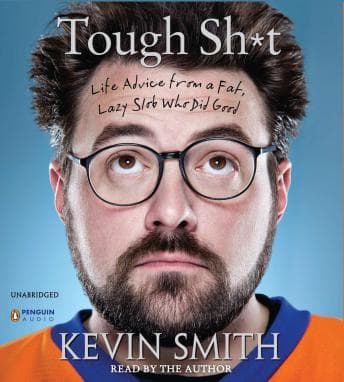

I went into this expecting the worst. Celebrity memoirs are usually ghost-written garbage dressed up as wisdom, and Kevin Smith's whole "lovable slob" persona felt like it could get old fast. I was wrong. Six hours flew by while I was stuck in O'Hare waiting for a delayed connection to Denver, and I didn't even notice when they finally called my boarding group.
The thing about Smith is he's genuinely done what most business books only theorize about: he built multiple revenue streams doing exactly what he wanted, failed spectacularly in public, and kept going anyway. My parents would have called this "being stubborn." Silicon Valley calls it "pivoting." Same energy.
The Anti-Hustle Hustle
Smith's core thesis—do what you love, ignore the gatekeepers, build your own audience—isn't revolutionary in 2024. But remember, he was doing this in 1994 with Clerks, before YouTube existed, before podcasting was a word, before "creator economy" became a LinkedIn buzzword. He maxed out credit cards to make a movie in a convenience store and somehow turned that into a career spanning films, comics, a retail store, and a podcast empire.
The Bruce Willis chapters are worth the listen alone. Smith details the absolute hell of directing Cop Out—how Willis showed up unprepared, undermined him constantly, and made every day on set miserable. But here's the key takeaway: Smith doesn't just complain. He breaks down exactly how he handled it wrong, what he learned, and why he'd never take a studio gig again. That's rare. Most people in his position would either not mention it or spin it into a victory. Inside SEAL Team Six has that same unflinching honesty about operational failures—no hero spin, just what actually happened. Smith admits he was out of his depth and it nearly broke him.
When Your Dutch Uncle Gets Real
Smith narrating his own book is the only way this works. His voice has this weird quality—commanding but also like he's about to crack a dick joke at any moment (because he usually is). The section about his father's death genuinely caught me off guard. One minute he's talking about jerking off onto his wife's leg (yes, really), and the next he's describing finding his dad dead and the guilt of not being there. No transition warning. Just life, messy and unfiltered.
This is what separates it from your typical "I made it and here's how you can too" garbage. Smith isn't selling a system. He's just... telling you what happened. The Southwest Airlines "too fat to fly" story—which he turned into a Twitter moment before Twitter moments were a thing—becomes a case study in controlling your own narrative. He didn't wait for PR people. He just started talking, directly to his audience, and owned the story before anyone else could define it. Not All Diamonds and Rosé operates on the same principle—the subjects control their own narratives instead of letting producers or editors sanitize the mess.
The Profanity Problem (That Isn't)
Yeah, it's vulgar. Extremely. If you're listening in the car with kids, don't. But the profanity serves a purpose—it keeps you engaged and signals authenticity. This isn't a polished TED talk. It's a conversation with a guy who's figured out some things and genuinely wants to share them, even the embarrassing parts. Especially the embarrassing parts.
The pacing is tight for a memoir. At just under six hours, Smith doesn't overstay his welcome. I've listened to business books twice this length with half the actionable insight. He respects your time, which—coming from a guy who made a four-hour cut of a Jay and Silent Bob movie—is unexpected.
Who Gets Value Here (And Who Doesn't)
Creators, entrepreneurs, anyone building something outside traditional structures—this is for you. If you're in corporate and looking for promotion strategies, skip it. But if you've ever thought about starting something, building an audience, or just want to hear how someone turned a weird passion into a sustainable career, this delivers.
Not for you if: profanity bothers you, you need structured frameworks, or you think Clerks was overrated. (Jenny would say I'm being harsh about that last one. Jenny is right.)
The ROI on Six Hours of Dick Jokes
Smith accidentally wrote one of the better books on building a creative business by just being honest about his failures. The Bruce Willis disaster alone is a better case study than half the Harvard Business Review articles I've read this year. It's crude, it's personal, and it's surprisingly useful. I've seen the "just be authentic" advice fail at three different companies because they didn't understand what authentic actually means. Smith does.









