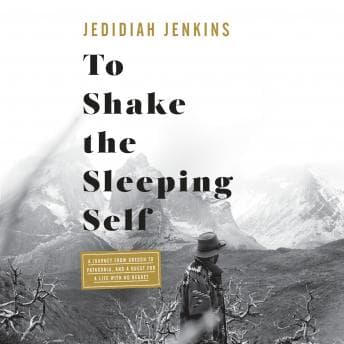

Look, I need to get something off my chest first. The Machu Picchu section? With his friends tagging along? I was sitting in my car at 6:47 AM after a brutal twelve-hour shift, and I actually groaned out loud. Not because it was bad, exactly, but because suddenly this deeply personal journey turned into a group vacation slideshow. Carlos texted asking if I was okay because I'd been in the driveway for twenty minutes. I was fine. I was just... processing.
But here's the thing about Jedidiah Jenkins that kept me coming back for all twelve hours: the man is brutally honest about his own mess. And as someone who spends her nights watching people at their most vulnerable, most stripped-down moments - I recognize authenticity when I hear it.
When Your Body Moves Faster Than Your Brain Can Lie
Jenkins quit his job at thirty to bike from Oregon to Patagonia. Sixteen months. Two continents. And yeah, the Instagram-famous journey is the hook, but that's not really what this book is about. This is about a gay man raised in conservative Christianity trying to figure out how to hold both of those truths in his body without breaking. Rules Do Not Apply wrestles with that same tension—the collision between who you're supposed to be and who you actually are.
I grew up Catholic in a Filipino household. My mom lit candles for my nursing exams and still asks when Carlos and I are having another baby (we have three, Ma, we're done). So when Jenkins talks about the way faith gets woven into your bones before you're old enough to consent to it - I felt that in my chest. The prayers during the hard climbs, the way he talks to God like he's arguing with a parent he still loves but doesn't fully trust anymore. That's not performative spirituality. That's the real thing.
Some reviewers apparently found the Christianity sections boring or preachy. I get it - if you didn't grow up in that world, it might feel like watching someone else's therapy session. But for those of us who did? It's like finally hearing someone say the quiet parts out loud.
He Reads His Own Words Like He's Still Figuring Them Out
Jenkins narrates this himself, and it works. His voice is casual, almost like he's telling you this story over coffee that's gone cold because neither of you noticed the time. There's no dramatic character work here - when he quotes his travel companion Weston or the strangers he meets, it's more like he's recalling them than performing them. And honestly? That fits. This isn't an ensemble drama. It's one man's internal monologue with occasional interruptions from the outside world.
The poetic moments land because he doesn't oversell them. When he describes landscapes, you can tell he's pulling from actual memory, not trying to impress you with vocabulary. And when he gets emotional - especially toward the end, when Weston leaves in Colombia and Jenkins has to finish alone - you can hear something crack in his delivery. Not theatrical. Just... real.
I listened to most of this on my post-shift drives, and there's something about his pacing that matches that 6 AM exhaustion-clarity. You know that state where you're too tired to lie to yourself? That's the energy of this whole book.
The Ending Hit Me Harder Than Expected
I was warned the final chapters were "quietly devastating," and whoever wrote that was right. Jenkins doesn't give you a neat bow. He doesn't arrive in Patagonia transformed into a new person with all his questions answered. He arrives tired, changed in ways he can't fully articulate, still carrying the same questions but holding them differently now.
Carlos asked why I was crying in the car. I blamed allergies. (It was November. In Phoenix. He didn't believe me.)
What got me wasn't any single revelation - it was the accumulation. Sixteen months of pedaling, of meeting strangers, of praying to a God he's not sure is listening, of being honest about wanting things his upbringing told him were wrong. By the end, you've traveled with him long enough that his exhaustion feels like yours. That kind of earned emotional payoff reminded me of Unbroken—different journeys entirely, but both make you feel the weight of every mile.
Who Should Listen (And Who Should Skip)
If you want a straightforward adventure memoir with exciting near-death experiences and dramatic plot points - skip this one. The external journey is almost secondary to the internal one. Same goes if you're looking for a podcast-style travel story you can half-listen to while doing dishes. You'll miss too much.
But if you've ever felt trapped by the life you accidentally built? If you've wrestled with faith, or sexuality, or just the terrifying question of whether you're living the right life? This one's for you. Especially if you're in that weird space between who you were raised to be and who you actually are.
Night Shift Approved
I don't usually go for the Instagram-influencer-writes-a-book genre. Too often it's pretty pictures with shallow captions stretched into 300 pages. But Jenkins earned this. He biked over 10,000 miles and then sat with his own discomfort long enough to write something honest about it. That takes a different kind of endurance than the physical one.
My mom would probably hate this book. Too much questioning, not enough answers. But she'd also recognize the struggle - that bone-deep pull between who your family needs you to be and who you actually are. Maybe I'll recommend it to her anyway. Some conversations are easier when someone else starts them.