
It is 11:15 PM on a Tuesday. I have just spent six hours coding qualitative data on attachment styles in young adult fiction, and my brain feels like it's been put through a blender. My cortisol is high. My patience is low. Usually, this is when I'd doom-scroll or re-watch a British crime drama where someone gets poisoned in a vicarage.
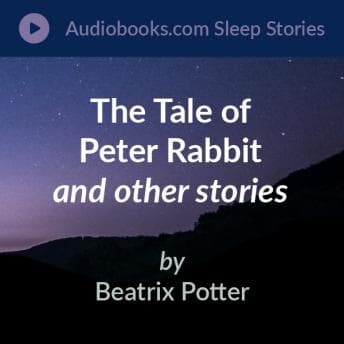
But tonight? Tonight I tried something different. The Tale of Peter Rabbit and friends. Specifically, the "Bedtime Sleep Stories" version narrated by Beverley Crick. (Yes, I am a thirty-something academic listening to stories about rabbits stealing vegetables. My therapist would be proud I'm trying to self-soothe. Maa would just be confused.)
Here's the thing about Beatrix Potter—she's not actually that safe. Psychologically speaking, her characters are a mess. Peter displays classic impulsivity and a lack of executive function. Squirrel Nutkin is a study in oppositional defiance. And The Tale of Mr. Tod? That's straight-up home invasion and kidnapping. It's dark stuff if you actually pay attention.
The "Anti-Performance" Performance
But here is why this audiobook works for my fried brain: Beverley Crick ignores the drama.
Seriously. She doesn't act it out. She doesn't do the frantic, high-pitched voices that some narrators do (which, frankly, trigger my fight-or-flight response). Her voice is steady, warm, and incredibly, deliberately slow.
I've seen reviews comparing her to Meryl Streep or Katherine Kellgren, complaining that Crick is "less expressive." And they're right. She is. But that's the point. This is categorized as a sleep aid. If Meryl was reading this, she'd be chewing the scenery, and I'd be awake analyzing her inflection. Crick is just... there. She's the auditory equivalent of a weighted blanket.
She reads The Tale of Mr. Jeremy Fisher—a story about a frog who almost gets eaten by a trout—with the same calm cadence you'd use to read a grocery list. And weirdly? It works. It strips the anxiety out of the narrative. You stop worrying about whether Benjamin Bunny is going to get whipped by a cat and just focus on the rhythm of the words.
The Nostalgia Trap
There is something scientifically grounding about the vocabulary here. "Sop," "camomile," "mackintosh." It activates that part of the brain that remembers being five years old and feeling safe. (Or, in my case, being seven and hiding in the library stacks because recess was overwhelming.)
But—and this is a big but—if you are listening to this with a child who needs entertainment during a car ride to Jersey, skip it. They will be bored. They will ask for the iPad. This isn't a performance; it's a sedative. The pacing is deliberate to the point where, if you're fully awake, you might want to hit the 1.5x speed button. Don't do it. That defeats the purpose.
Why Mr. Tod is the Outlier
I have to mention The Tale of Mr. Tod because it's the longest story in this collection and arguably the most complex. It's basically a turf war between a fox and a badger. Psychologically, it's a fascinating look at antisocial personality traits in woodland creatures.
Crick handles the shift from the cute bunny stories to this darker tale without changing her tone much. On one hand, it keeps the "sleepy" vibe intact. On the other hand, it's a little jarring to hear about a badger planning to cook baby rabbits in such a soothing voice. It's dissonant. But by the time I got to that track, I was already half-asleep, so I barely registered the felony kidnapping attempts.
Who Should (and Shouldn't) Listen
This is for the overstimulated, the anxious, the people whose brains won't shut off at night. If you want theatrical narration or something to keep kids entertained on road trips, look elsewhere. But if you need permission to just... stop thinking for forty minutes? This works.
The Verdict
Look, is this the most dynamic audiobook ever produced? No. It's flat. It's quiet. It's simple.
But in a world that is constantly screaming for our attention, "flat" is actually a luxury. Untroubled Mind tries to make a similar argument about simplicity, though it leans a bit too hard on the self-help platitudes for my taste. I didn't analyze the characters' motivations. I didn't take notes. I just closed my eyes, listened to a nice lady talk about lettuces, and actually fell asleep before the end.
My research papers can wait until tomorrow.