
I was grading sophomore essays on The Great Gatsby at 11 PM—the usual parade of "Gatsby was rich and sad" observations—when I decided I needed something to cleanse my literary palate. Something ancient. Something that would remind me why I fell in love with words in the first place.
Kabir seemed perfect. A 15th-century mystic poet who couldn't read or write, whose verses survived only because people remembered them. There's something beautiful about that, isn't there? Words so powerful they didn't need paper.
When the Weaver Speaks
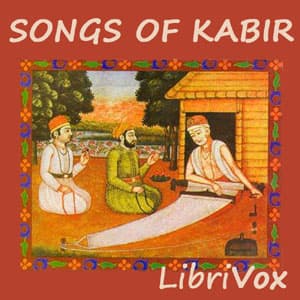
Kabir was a weaver by trade. A Muslim raised among Hindus. A man who insulted passersby to get their attention before dropping spiritual truth bombs on them. My students would have loved his energy—imagine someone shouting provocations on a street corner, then pivoting to profound observations about the soul's relationship with the divine.
The poems themselves are stunning in their directness. No elaborate metaphors requiring footnotes. No academic posturing. Kabir asks simple questions: Where do you think God lives? Why do you perform rituals without understanding? What happens when the drop returns to the ocean?
This reminds me of what Hemingway said about writing one true sentence. That same stripped-down honesty shows up in Adventures of Tom Sawyer—Twain writing like a kid actually talks, no literary pretension. Kabir didn't have the luxury of revision or publication. He spoke, and either his words stuck or they didn't. That kind of pressure produces remarkable clarity.
The Pronunciation Problem (And It's Not Small)
Here's where I have to be honest, because you deserve to know what you're getting into.
Algy Pug's narration is clear. Non-robotic. Pleasant enough for a LibriVox recording, which—let's be fair—is a volunteer effort we should appreciate. But the mispronunciation of Indian words is genuinely distracting. Names, concepts, terms that carry spiritual weight—they're mangled in ways that made me wince.
I teach literature. I've heard students butcher Dostoevsky and Cervantes. I'm patient with pronunciation struggles. But when you're dealing with sacred poetry, when words like "Jivatma" and "Paramatma" carry the entire weight of Kabir's philosophy, getting them wrong repeatedly creates a barrier between listener and meaning.
The prose deserves to be savored. But savoring becomes difficult when you're mentally correcting pronunciation every few minutes.
No Chapters? Really?
The other production issue that drove me slightly mad: no chapter divisions between songs. At just under two hours, this should be an easy listen. But if you want to return to a specific poem—and you will, because some of these verses demand reflection—you're scrolling through a continuous stream hoping to find your spot.
It's like publishing an anthology with no table of contents. Technically functional. Practically frustrating.
And apparently there's some Sri Ramakrishna material included? Which is odd, given that Ramakrishna lived 400 years after Kabir. It would be like inserting Hemingway commentary into a Shakespeare collection. Interesting, perhaps, but not what I came for.
Worth Pausing the Faculty Meeting For?
Honestly? The source material is. Kabir's words of love for and from God are profound enough without added effects—and thankfully, this recording doesn't try to dress them up with music or ambient sounds. It's just voice and verse.
But this particular audiobook version asks you to work around its limitations rather than enhancing your experience of the poetry.
If you loved Rumi's mystical poetry, this is its spiritual predecessor. Kabir was doing this centuries before Rumi became a bestseller in American bookstores. There's an earthiness to Kabir that Rumi sometimes lacks. He was a working man, not a scholar. His metaphors come from looms and thread and the daily grind of making cloth.
Who Should Listen (And Who Should Find Another Version)
If you're already familiar with Kabir and just want his words in your ears while walking or doing dishes, this works. The simplicity of the narration lets the poetry breathe. But if you're approaching Kabir for the first time—especially with any background in Indian languages or philosophy—the pronunciation issues may frustrate you enough to abandon the listen. And if you need to navigate between specific poems for study or reflection, the lack of chapters will drive you to distraction.
My students would hate this. I love the source material. But I can't fully recommend this particular audio version.
The Annotated Life Recommendation
Borrow it. Stream it. Don't spend a credit. Kabir deserves your attention, but this production doesn't quite deserve your money. Consider it an introduction—a flawed but accessible doorway to a poet who was asking questions about God and self and union 600 years ago that we're still trying to answer.
The drop wants to return to the ocean. This audiobook gets you partway there, but you'll have to swim the rest yourself.