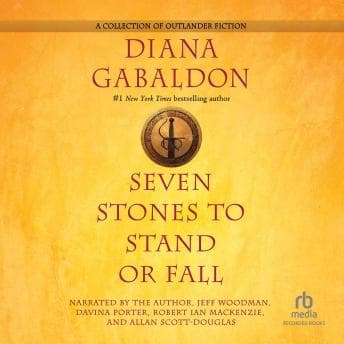

"The past is another country. They do things differently there." That's L.P. Hartley, not Gabaldon, but it kept echoing in my head around hour fifteen of this collection. Because here's the thing about Outlander short fiction - it's not just time travel romance. It's Gabaldon doing what great historical novelists do: making the past feel like a place you've actually been.
I listened to most of this during a particularly brutal stretch of essay grading. November. Chicago. The radiator clanking like it was possessed. And somehow, between marking up another student's thesis statement about The Great Gatsby, I found myself completely absorbed in a young Jamie Fraser learning what it means to be a mercenary.
The Ensemble Cast That Actually Works
Look, multi-narrator audiobooks are a gamble. Sometimes you get a symphony. Sometimes you get a middle school band concert. This one? Mostly symphony.
Davina Porter handles the stories featuring characters we know from the main series, and honestly - she's the reason I got into Outlander audiobooks in the first place. There's a psychological depth to her Claire that makes you forget you're listening to someone read. She inhabits these people. Jeff Woodman takes on Lord John with this precise, slightly wounded quality that fits the character's perpetual outsider status perfectly. Robert Ian MacKenzie brings the Scottish stories to life with accents that don't sound like someone doing a bit.
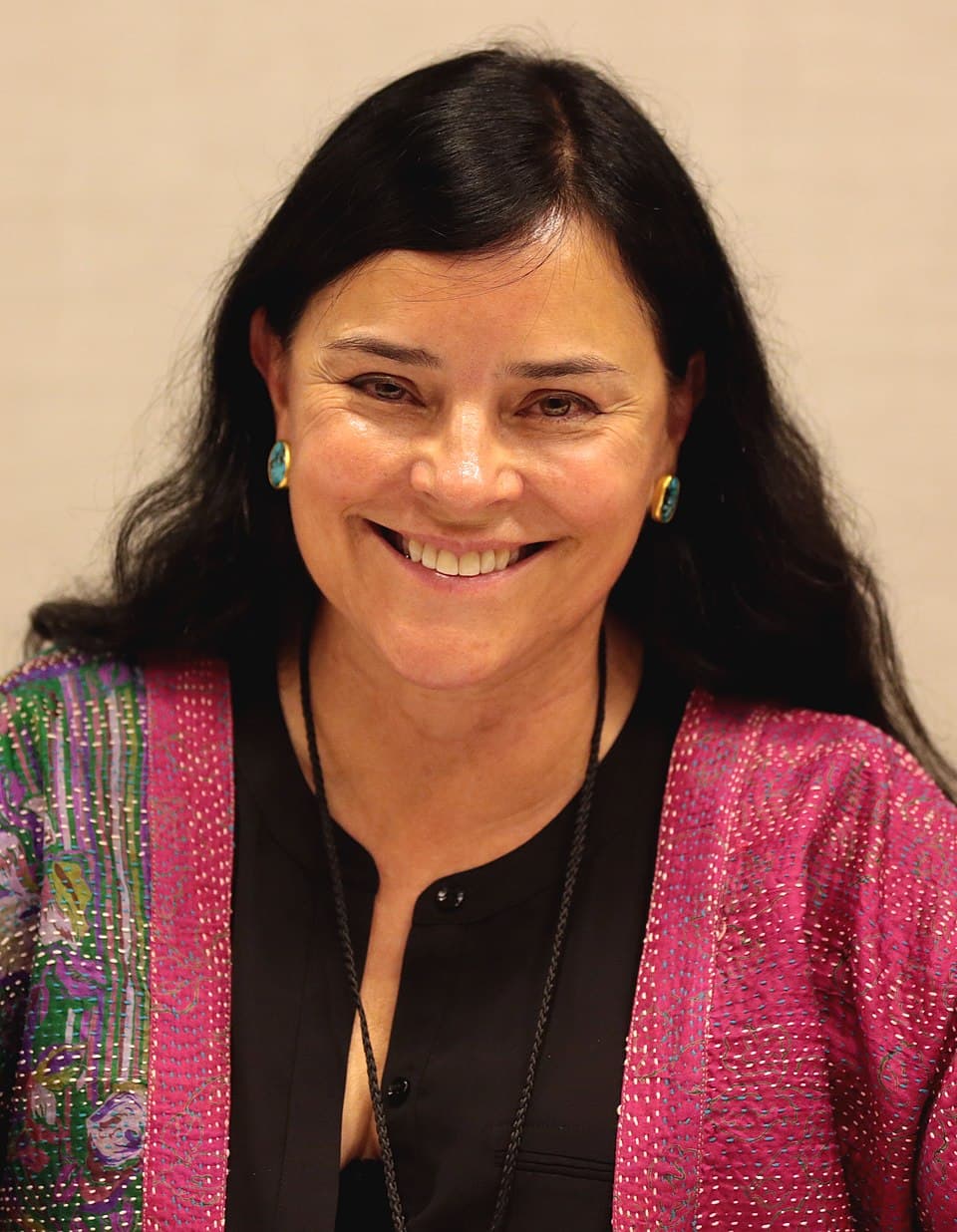
And then there's Diana Gabaldon herself, narrating the introductions to each story. Here's where I'll be honest - some listeners find these intros "cutesy" or confusing. I get it. She meanders. She makes inside jokes about "bulges" that only hardcore fans will understand. But I found them charming? (Don't tell my students I used the word charming unironically.) There's something lovely about hearing an author explain why she wrote something. It's like getting the marginalia along with the text.
Where the Narrative Shifts
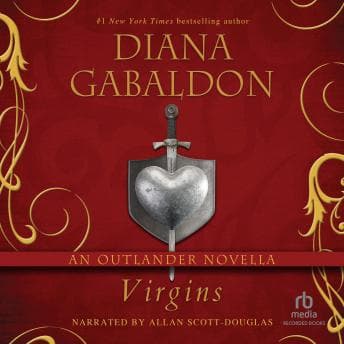
"Virgins" is the standout. Full stop. Nineteen-year-old Jamie Fraser, not yet the man we know, stumbling through a mercenary job with Ian Murray. It's funny. It's brutal. It's got that particular Gabaldon trick of making violence feel consequential rather than gratuitous. I actually paused grading entirely for this one. The essays could wait. (Sorry, Period 4.)
"A Leaf on the Wind of All Hallows" hit me differently than I expected. It's about Roger Wakefield's parents - characters we barely know from the main series - and their story during World War II. The time travel mechanics get weird here, almost science-fictional in a way the main books aren't. But the emotional core? A man trying to get home to his family? That's universal. That's Odysseus. That's every soldier story ever told.
The Lord John stories are solid but felt like they required more familiarity with his standalone novels than I have. "The Plague of Zombies" sounds ridiculous - and it kind of is - but Gabaldon commits to the bit. Eighteenth-century Jamaica, voodoo, Lord John being quietly heroic while pretending he's not. It works better than it should.
"A Fugitive Green" and "Besieged" were new to me, never published before this collection. They're good. Not transcendent, but good. The kind of stories that reward fans who want to spend more time in this world without advancing the main plot.
The Pacing Problem (And Why It's Not Really a Problem)
Twenty-four hours is a lot of audiobook. I won't pretend I was riveted for all of it. Some of the Lord John material dragged for me - probably because I'm less invested in his arc than in the Fraser-Murray family. The production quality is clean throughout, professional, no weird audio glitches or jarring transitions between narrators.
But here's what I kept thinking: this collection isn't meant to be consumed in one sitting. It's a companion piece. You dip in, you dip out. You listen to "Virgins" when you want young Jamie energy. You save "A Leaf on the Wind" for when you're feeling contemplative. It's modular storytelling, and the audiobook format actually serves that well. Where'd You Go, Bernadette works the same way - episodic structure that rewards dipping in and out, though with significantly fewer swords.
Would I Assign This to My Students?
Absolutely not. (Too much violence, too much sex, and honestly, they'd never forgive me for making them read something their moms like.)
But would I recommend it to Denise, who got me into Outlander in the first place? Already did. She's on hour eight.
If you're deep in the Outlander universe and want more - more Jamie, more Lord John, more of Gabaldon's particular brand of historically-grounded romanticism - this delivers. If you've never read the series, start with the main books. This is dessert, not the meal.
The narrators earn their keep. The stories range from excellent to merely good. And somewhere around hour twenty, grading forgotten, radiator still clanking, I found myself genuinely moved by a story about a WWII pilot I'd never heard of before.
That's what good historical fiction does. It makes the past feel present. Gabaldon knows this. Her narrators know this. And now, at 11:47 PM with a stack of ungraded Gatsby essays staring at me, I know it too.