
"I've been guarding my feelings my whole life. Doesn't mean I don't have them."
That line hit me somewhere around hour three, and I had to pause my work because Frida was giving me concerned looks. You know the ones—that cat telepathy that says "why are you crying over your laptop again, human?" But here's the thing about Laurel McBane: she's the friend in the group who seems like she has it all together, the one who bakes wedding cakes while secretly nursing a decades-long crush on her best friend's brother. And Angela Dawe delivers that guarded vulnerability in a way that made me set down my stylus and just... feel it.
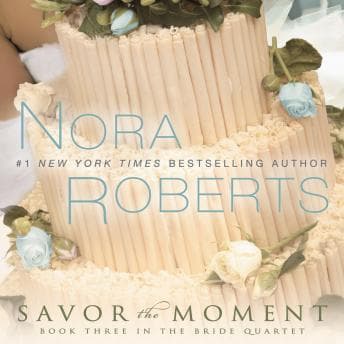
This is book three of the Bride Quartet, and honestly? It might be my favorite. I came into this series for the wedding aesthetic and stayed for the friendship dynamics, but Laurel and Del's slow-burn absolutely wrecked me.
When Your Childhood Crush Finally Sees You
Laurel's thing for Del isn't some cute little infatuation. It's been years. YEARS of watching him date other women, of being "like a little sister," of convincing herself she's not good enough for the Ivy League lawyer with the protective streak. And when they finally cross that line—this angry, frustrated, "I can't do this anymore" kiss—I literally gasped. Out loud. In my apartment. Diego jumped off the couch.
What makes it work is that Del isn't some clueless hero who suddenly "sees" her. He's been fighting his own feelings because he's terrified of messing up the friend group dynamics, of hurting someone he genuinely cares about. Their chemistry is chef's kiss, but it's earned chemistry. Built on years of friendship and mutual respect that finally combusts into something more.
Nora Roberts does this thing where she writes banter that actually sounds like real people talking, not romance novel dialogue. Del and Laurel tease each other, get genuinely annoyed, have actual disagreements about their relationship. It feels lived-in. Abuela would have loved the telenovela-level tension of "will they or won't they finally admit it," but she also would have appreciated that these are grown adults figuring out how to be vulnerable with each other.
Angela Dawe's Warmth (With One Caveat)
Here's where I have to be real: Dawe's narration is warm and emotionally intelligent, but she doesn't do dramatically different voices for the characters. In group scenes with all four friends plus their partners, I sometimes had to rewind to figure out who was speaking. It's not a dealbreaker—her tone shifts are subtle enough that you can usually tell—but if you're someone who needs crystal-clear character differentiation, this might frustrate you.
That said? When it's just Laurel in her own head, Dawe absolutely nails it. There's this scene where Laurel is stress-baking at 2 AM, working through her feelings about Del through butter and sugar, and you can hear the anxiety underneath the competence. The way Dawe delivers Laurel's internal monologue—sharp, self-deprecating, occasionally tender—made me understand this character in a way I might not have if I'd read the print version.
The humor lands too. There's a running bit about wedding cake disasters that Dawe plays with perfect comic timing. She gets that romance isn't just about the swoony moments; it's about the mundane absurdity of life happening around the love story.
This Book Felt Like Sunday Morning Pancakes
I listened to this over three days while working on a branding project for a local bakery (I know, I know, very on-theme). The vibes are immaculate for focused work—there's enough emotional engagement to keep you invested but not so much plot chaos that you lose track while adjusting kerning.
Is it fluffy? Yes. Absolutely. Some people will find it too slow, too domestic, too focused on cake decorating and friend group dynamics. But that's exactly what I needed. Not every romance has to be high-stakes drama. That's the same comfort I found in Sense and Sensibility—quiet emotional stakes that still manage to wreck you. Sometimes you want to spend eight hours with competent women who love their jobs and their friends, watching one of them finally get her happily ever after with the man she's wanted since she was sixteen.
The explicit content is there—this is Nora Roberts, after all—but it's woven into the emotional arc rather than feeling gratuitous. The physical intimacy between Laurel and Del reflects their growing trust, which... yeah, that's the good stuff.
Your Vibe Check
If you love friends-to-lovers, slow-burn tension, and heroines who are prickly on the outside but secretly soft? This is your book. If you've been following the Bride Quartet, this might be the payoff you've been waiting for. But if you need fast pacing, high external conflict, or distinctly voiced characters in ensemble scenes, you might find yourself frustrated. This is a rainy Sunday book, not a thriller.
Abuela Would Have Approved
I ugly-cried exactly once—during a scene where Laurel finally lets herself believe she deserves to be loved, not just as a friend, not just as someone to protect, but as a partner. It's not a dramatic moment. It's quiet. And it hit me right in the chest.
Abuela would have clutched her rosary at the spicy parts and then immediately asked me what happens in book four. Miss you, Abuela. You would have loved Laurel's stubborn heart.