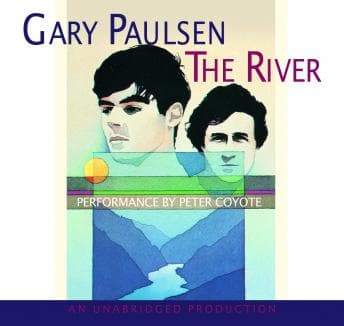

Ranger and I were stuck in the truck waiting out a thunderstorm in a client's parking lot - one of those Texas monsoons that turns highways into rivers. Seemed fitting to fire up a book literally called River.
Let me cut to the chase: This is a tight, no-nonsense survival story that respects your time. Two and a half hours, one mission, zero filler. Gary Paulsen wrote over 200 books, and you can tell he knew exactly what he was doing here. The man understood that survival isn't glamorous - it's methodical, exhausting, and occasionally terrifying.
When the Mission Changes Mid-Op
The setup grabbed me immediately. Brian Robeson - the kid who survived 54 days in the Canadian wilderness with just a hatchet - gets asked by the government to go back. They want to study him, figure out what he did right so they can train others. Standard debrief scenario, I thought. Send the subject back with a psychologist named Derek Holtzer to document everything.
Then nature throws a curveball. Lightning strike takes Derek out cold, and suddenly Brian's not just surviving for himself. He's got to build a raft and navigate a hundred miles of unknown river with an unconscious man. That's a completely different tactical problem. Solo survival is about self-preservation. This is about keeping someone else alive when you can barely keep yourself going.
Paulsen clearly did his homework on wilderness medicine and river navigation. The details feel authentic - the kind of stuff that would actually matter if you were trying to move an incapacitated person through hostile terrain. That same commitment to operational realism shows up in Fast Ice, where the technical details actually matter to the mission. No Hollywood nonsense about magically finding civilization or convenient rescue helicopters.
Peter Coyote Knows When to Shut Up
Here's what I appreciated about Coyote's narration: he doesn't oversell it. His voice is calm and serious - exactly what this material needs. Too many narrators would've tried to amp up the drama, add breathless urgency to every moment. Coyote trusts the story to do the heavy lifting.
There's an intensity in his delivery that sneaks up on you. He's not shouting about danger; he's letting you feel the weight of Brian's decisions. When you're listening to a kid figure out how to lash together a raft that won't kill both of them, you don't need theatrical performance. You need someone who sounds like they understand what's at stake.
I listened at 1.25x - my standard speed - and it worked fine. Coyote's pacing is deliberate but not slow. The short runtime means you can knock this out in a single session, which honestly is how survival stories should be consumed. No putting it down and forgetting where you were.
SITREP
This is a young adult book, and I'm a retired colonel who's spent more time in actual survival situations than I'd prefer. So take my perspective for what it is. But good storytelling transcends age categories. Paulsen understood that survival is about problem-solving under pressure, and that's universal.
The book's biggest strength is also its limitation: it's lean. There's not a lot of character development or philosophical meandering. Brian has a job to do, and we watch him do it. If you want deep introspection about the human condition, look elsewhere. If you want to watch a competent young man work through a tactical problem methodically, this delivers.
Parents looking for something to share with their kids during a road trip? This is solid. The themes - responsibility for others, staying calm under pressure, using your brain when your options are limited - are worth reinforcing. And at 2.5 hours, even kids with shorter attention spans can track the whole story.
Who Should Gear Up (And Who Should Skip)
Fans of the original Hatchet will find exactly what they're looking for. If you've got a young person interested in outdoor skills or survival scenarios, this is a good gateway. Adults who appreciate efficient storytelling without padding will respect Paulsen's craft. Skip this if you need complex character arcs or multiple plotlines. This is a straight shot down the river - one problem, one solution, no detours.
Ranger approved this one. He perked up during the storm sequences, which is about as high an endorsement as he gives.