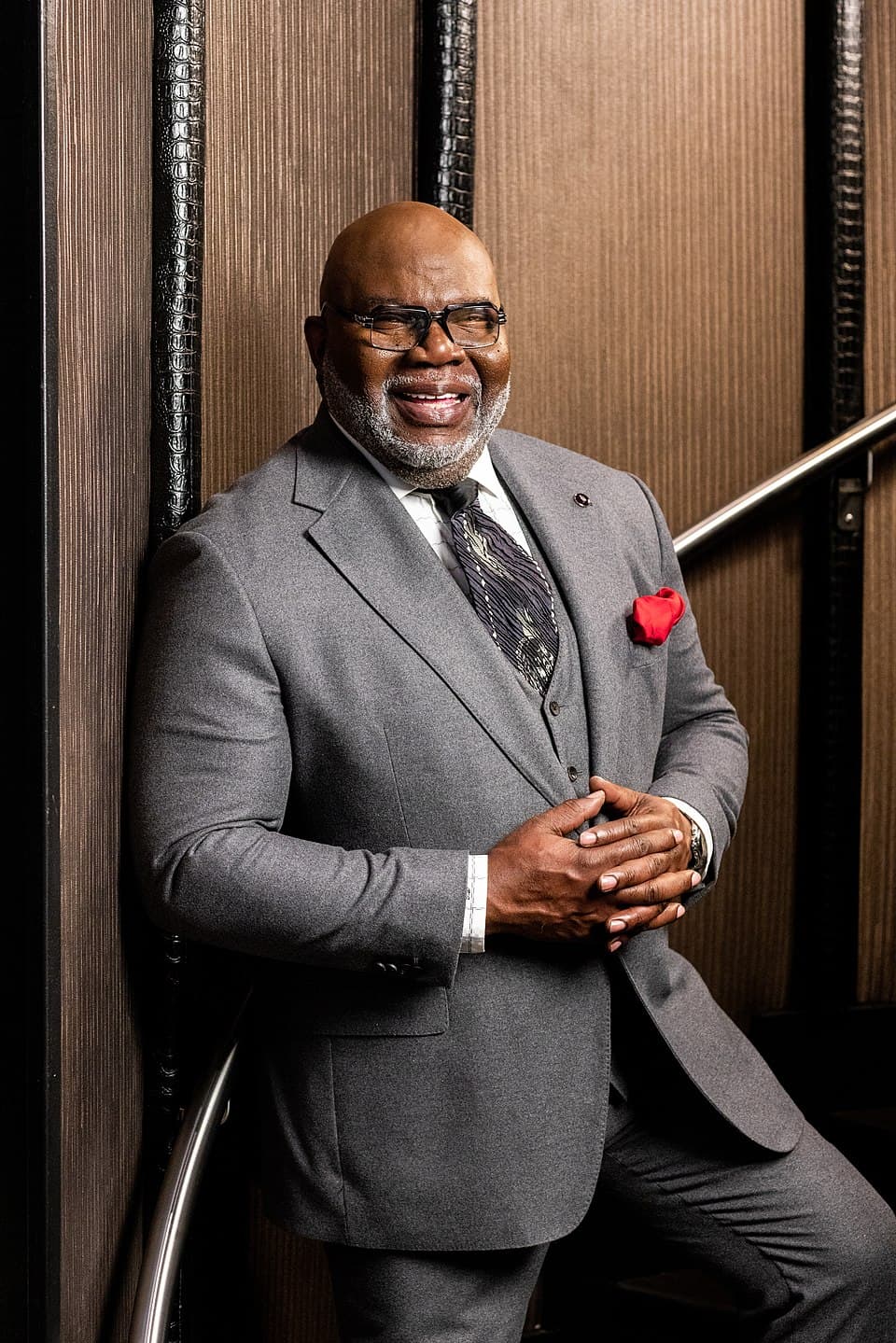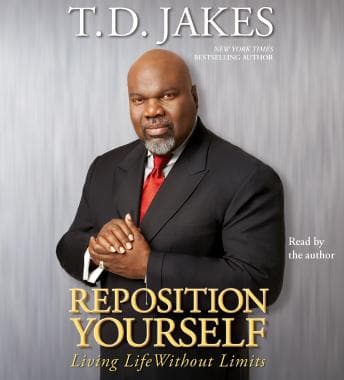

I was making dal makhani at 10 PM on a Tuesday—the kind of elaborate cooking project that requires attention but also lets your mind wander—when T.D. Jakes started talking about how we unconsciously limit ourselves based on where we started. And I just... stopped stirring. Because the man wasn't preaching. He was doing exactly what I do in my research: identifying behavioral patterns that keep people stuck.
This is a fascinating case study in what happens when a preacher writes a self-help book instead of delivering a sermon. And honestly? It works better than I expected.
The Psychologist in the Pulpit
What makes Jakes compelling here isn't the Christian framework (though that's certainly present). It's that he's drawing from thirty years of counseling real people—high-profile and everyday—and he's identified something my dissertation committee would appreciate: the gap between where people are and where they could be often isn't about resources or opportunity. It's about internal positioning.
The research actually shows that self-limiting beliefs are among the most persistent barriers to change. Jakes doesn't cite studies (this isn't that kind of book), but he's observed the same patterns I've read about in journals. People who grew up with scarcity continue operating from scarcity even when circumstances change. Individuals who were told they weren't smart enough carry that narrative into boardrooms and relationships decades later. The same dynamic plays out in Big Short: Inside the Doomsday Machine, where institutional patterns persist even when the evidence screams that the system is broken.
Jakes uses different voices in the early sections to bring his points to life, which creates an interesting effect. It's almost like he's performing case studies—giving voice to the internal dialogue that keeps people trapped. My therapist would have thoughts about this technique. It works.
Where's the Fire?
Here's where I need to be honest: if you've heard T.D. Jakes preach live or watched his BET appearances, you're going to notice something missing. That electric, build-to-a-crescendo energy that makes his sermons go viral? It's not here. This is Jakes at a simmer, not a rolling boil.
Is that a problem? Depends on what you're looking for.
For focused listening—the kind where you're actually trying to absorb and apply insights—the measured pace works. His Southern drawl settles into a rhythm that's contemplative rather than explosive. I found myself pausing to think rather than getting swept up in emotional momentum. Different experience. Not necessarily worse.
But if you're expecting that "Woman, Thou Art Loosed" energy? Adjust your expectations now.
What Actually Sticks
At just over six hours, this isn't asking for a massive time investment. And the practical-spiritual blend is genuinely useful if you're in that headspace. Jakes isn't just saying "pray about it"—he's talking about financial creativity, relational patterns, career pivots. The Christian principles provide the why; the practical advice provides the how.
I found myself asking: why does this work when so many similar books feel hollow? I think it's because Jakes isn't performing expertise he doesn't have. He's synthesizing decades of watching people change (or fail to). That's not nothing.
The Essence magazine President's Award this book received makes sense. It's not revolutionary psychology, but it's accessible wisdom delivered by someone who genuinely seems to care whether you apply it.
The Limitation of "Limits"
Here's my one real critique: the book assumes a certain baseline. If you're dealing with systemic barriers, mental health challenges, or genuine resource scarcity, "reposition yourself" can feel like it's putting all the responsibility on individual mindset. Psychologically, this doesn't track as a complete picture.
Jakes acknowledges some of this, but not enough for my taste. The research on structural barriers is pretty clear: mindset matters, but it's not everything. I wish he'd spent more time on when repositioning isn't enough—when the system itself needs repositioning.
But that's a different book. For what this is—a spiritually-grounded, practically-oriented guide to getting unstuck—it delivers.
Who This Is (and Isn't) For
Listen if you're open to faith-based motivation paired with practical career and relationship advice, especially if you're feeling stuck in patterns you can't quite name. Skip if you need secular self-help, want that signature Jakes sermon energy, or are looking for acknowledgment of systemic barriers alongside individual mindset work.
Back to the Stove
My dal burned, by the way. Worth it.