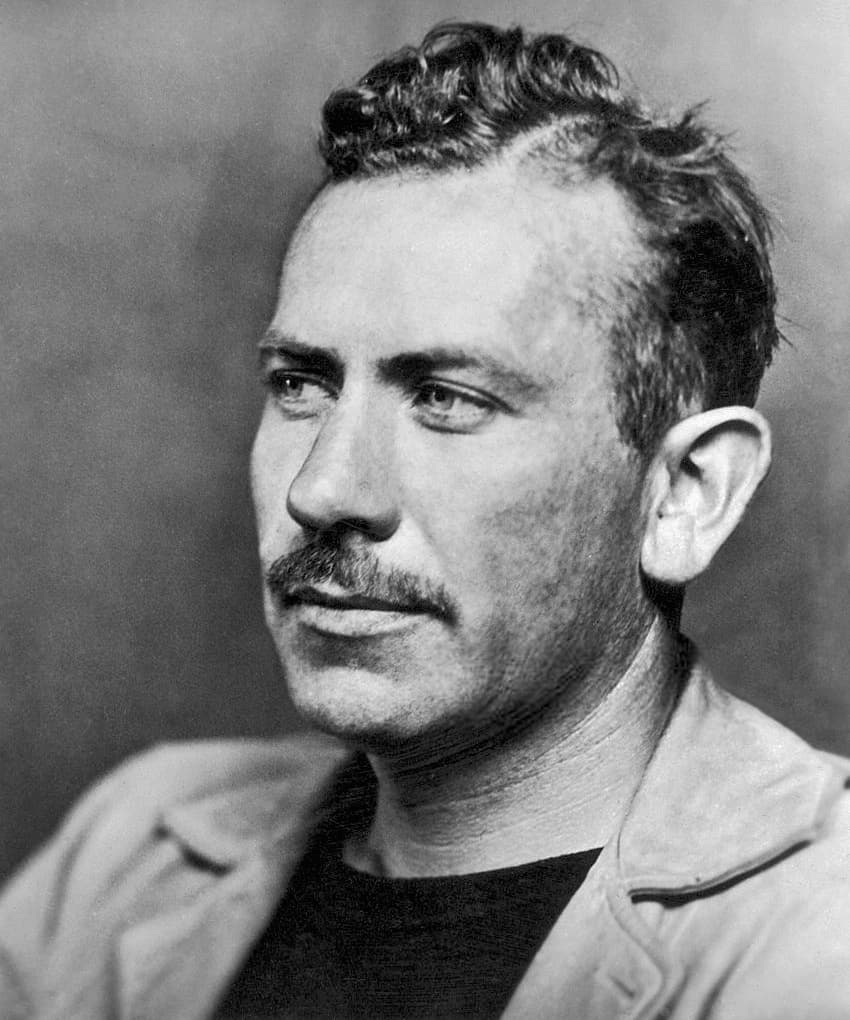

People keep telling me Steinbeck is depressing. People are wrong. Steinbeck is accurate. There's a difference.
I listened to this on a rare day off, sitting on the back patio while Carlos grilled carne asada and the kids fought over the hose. Seemed like the right setting - afternoon sun, the smell of mesquite, something rural and unhurried. And this book? Under three hours. I figured easy listen, classic novella, maybe I'd doze off in the lawn chair. Instead I sat there with my iced tea sweating in my hand, staring at nothing, thinking about every animal I ever watched die and what it taught me.
Loss Doesn't Resolve Into a Lesson - It Just Sits There
Here's what Steinbeck gets right that most coming-of-age stories get catastrophically wrong: Jody doesn't learn from death. He encounters it. He watches it happen. And then life keeps going. There's no wise narrator voice telling you what the takeaway is. The red pony gets sick. Things go badly. And the ranch keeps operating because ranches don't stop for grief.
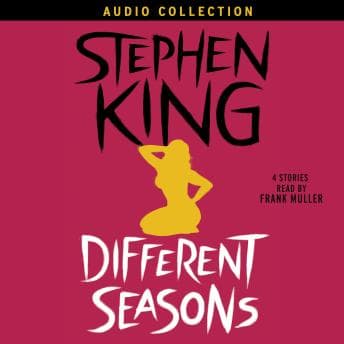
As someone who's actually worked a code, who's watched families process the worst moments of their lives while the rest of the unit keeps running - yeah. That hit different. Steinbeck wrote these stories in the 1930s and somehow nailed the thing I've been trying to explain to new nurses for fifteen years: death is not a climax. It's a Tuesday. It's a thing that happens between other things that also happen. Birth shows up too. Neither one wraps up with a bow.
The four linked stories cycle through seasons and events on the Tiflin ranch, and what makes them ache isn't tragedy - it's the space around tragedy. Jody's father Billy Buck's shame when he can't save the pony. The grandfather telling his stories about leading people west, repeating them because the journey was the only thing that ever made him feel alive, and nobody wants to hear it anymore. That grandfather broke me. Carlos asked why I was crying in the car. I blamed allergies. (I wasn't even in the car. I was on the patio. He still bought it.)
Frank Muller Made Me Forget I Was Listening to an Audiobook
Frank Muller. Man. If you know audiobook narration, you know that name, and you know what the industry lost when he passed. His reading here is stripped down, almost plain - which is exactly right. His voice has this weathered quality, like sun-cracked leather, and it matches the ranch life Steinbeck depicts without ever tipping into performance. He's not doing cowboy voices. He's not dramatizing. He reads it the way a rancher would tell you about his day - matter-of-fact, a little rough, and somehow devastating because of the restraint.
The AudioFile review nailed it when they said his voice is "as tough as the way of life depicted." That toughness is the whole point. When Billy Buck makes promises to Jody about the pony, Muller doesn't soften it. When those promises fall apart, he doesn't lean into the sadness. He just... lets it land. And it lands hard.
At under three hours, this is a focused listen. No wasted words - Steinbeck was allergic to padding and Muller respects that by keeping the pace steady but never rushed. Every silence between sentences feels earned.
Who This Is For (And Who Should Skip It)
If you need plot-driven thrillers with twists every chapter, this will bore you. I'm being honest. This is quiet. It's short. Nothing explodes. I picked up Lost Girl expecting that kind of quieter emotional territory and got something messier - it's worth knowing going in what you're signing up for.
But if you've ever held someone's hand through something terrible and then gone home and made dinner like a normal person - if you know what it's like to carry loss in your body while the world keeps spinning - this book will find the bruise and press on it. Gently. Almost tenderly.
Perfect for that post-shift decompression. Or a slow afternoon when you have the bandwidth to feel something real. My mom would love this (she still thinks I should've been a doctor), but she'd also cry, and she'd deny it, and we'd never speak of it again. That's a Steinbeck book done right.
Night Shift Prescription
Three hours of Steinbeck read by one of the greatest narrators who ever lived. The medical details aren't relevant here - there are no hospitals, no procedures to yell at my dashboard about. But the emotional accuracy? The way grief and growth coexist without one canceling the other? That's the kind of truth I recognize from my work, even if the setting is a California ranch eighty years ago. Frank Muller's voice is the vehicle, and he drives it home without a single wrong turn. At this length and this price point, waiting for a sale feels wrong. Just listen to it.