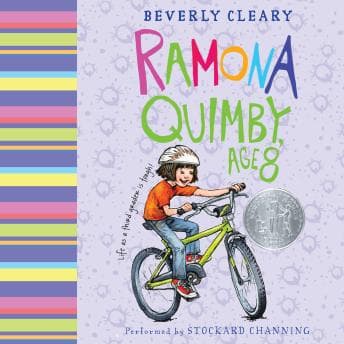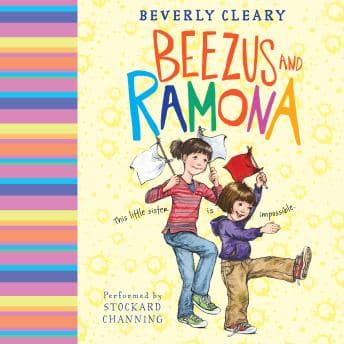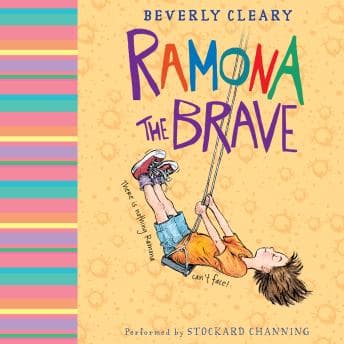

"Brave isn't not being scared. Brave is being scared and doing what you have to do anyway."
I paused mid-grade on a stack of freshman essays about The Outsiders when Stockard Channing delivered that line. Set down my red pen. Thought about how many of my students—these hulking teenagers who pretend nothing touches them—are still just six-year-olds in bigger bodies, terrified of being caught as copycats or frauds or kids who lost a shoe.
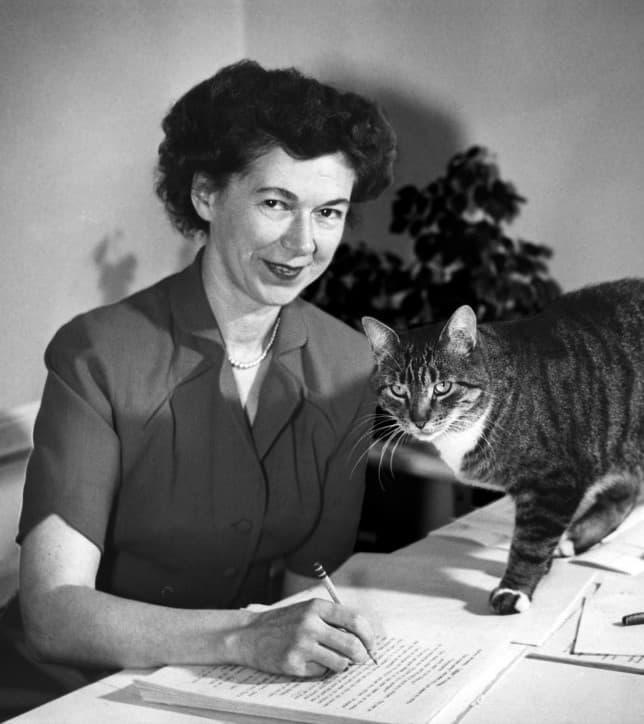
Beverly Cleary understood something that most children's authors miss entirely: childhood isn't whimsical. It's brutal. The stakes are real. When Ramona throws away her paper-bag owl because another kid made one first and she can't bear being called a copycat—that's not cute. That's the same shame spiral I watch seventeen-year-olds experience when they accidentally echo someone else's thesis. Cleary never condescends to her characters. She takes their terrors seriously.
Why Stockard Channing Was Born for This
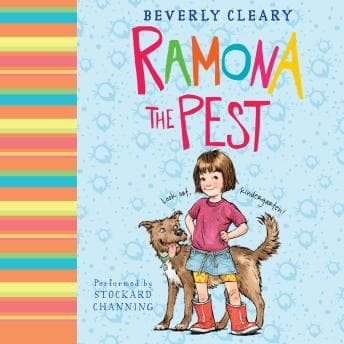
Here's what separates a good children's audiobook narrator from a great one: restraint. Channing doesn't perform Ramona as a squeaky cartoon. She plays her as a person—a small, fierce, frequently mortified person whose logic makes perfect sense if you're willing to remember what it felt like to be six.
The voice work is genuinely impressive. Her Beezus drips with that particular teenage exasperation—the "my little sister is ruining my LIFE" energy that every older sibling has felt. Her Miss Binney (Ramona's beloved kindergarten teacher) versus the new first-grade teacher Mrs. Griggs creates an instant contrast that even young listeners will feel without understanding why. Binney sounds like possibility. Griggs sounds like judgment.
I laughed out loud during the Beezus scenes—Channing captures that specific register of adolescent suffering where everything is simultaneously the end of the world and deeply embarrassing. My students would recognize that voice. They use it daily.
The Architecture of Childhood Fear
At two hours and eighteen minutes, this is a perfect length. Long enough to develop real emotional stakes, short enough that kids (or teachers pretending to grade papers) won't lose the thread.
What struck me, listening at 11 PM with a cold cup of coffee and a dwindling stack of essays, is how Cleary structures fear. The scary dog that follows Ramona home isn't a monster. It's just a dog. But through Ramona's eyes—through Channing's slightly quickened breath and careful pacing—it becomes genuinely menacing. This is what Hemingway meant about writing one true sentence. Cleary writes one true fear, over and over: the fear of not being understood. American Gods explores that same terror on a mythological scale—gods desperate to prove they still matter, still exist. The fear of being seen as less than you know yourself to be.
The missing shoe incident near the end is a clinic in childhood humiliation. Ramona has to walk into school with one shoe, and Cleary doesn't rescue her with a convenient solution. She makes Ramona feel it. And then—and this is the genius—she lets Ramona discover her own courage. Not given to her by an adult. Found within herself.
Who This Is Actually For
Obviously kids. Obviously. But also:
- Parents who want to remember what childhood actually felt like (not the Instagram version)
- Teachers who need a reminder that their most "difficult" students are often just the bravest ones
- Anyone who grew up feeling like the world was slightly too big and slightly too unfair
Skip this if you want action-packed adventure or if you find interior emotional landscapes boring. My students would hate this. I love it.
Also genuinely excellent for car rides—the episodic chapter structure means you can pause between scenes without losing momentum. Denise and I listened to part of it on a Saturday drive to the farmers market, and she—who has zero patience for children's books—asked if we could finish it.
Red Pen Down, This One Earns an A
Look. I've been teaching teenagers for twenty years. I've watched countless kids pretend they don't care about anything because caring is dangerous. Ramona cares about everything—too much, too loudly, in all the wrong ways—and Cleary never punishes her for it.
Stockard Channing's narration elevates already excellent source material into something genuinely moving. The prose deserves to be savored, and at 1.0x speed (yes, I'm ancient, we've established this), every pause lands exactly where Cleary intended.
This is why we still read the classics. Not because they're old. Because they're true.
If you loved Charlotte's Web for its emotional honesty rather than its talking animals, this is its spiritual successor. Different story, same respect for young readers. Same refusal to pretend that childhood is simple.
My mom will probably fall asleep during my next podcast episode about this. But I'm recording it anyway.