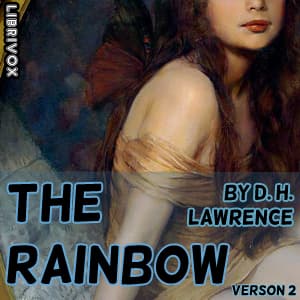

D.H. Lawrence ruined my morning walk. There I was, lakefront path, Chicago wind cutting through my jacket, and instead of noticing the skyline or the joggers or Denise asking if I wanted coffee after, I was thinking about Tom Brangwen standing in a doorway, watching a Polish widow, feeling something shift in his chest that he couldn't name. That's what nearly twenty hours of The Rainbow does to you. It rewires how you notice longing.
The Novel That Scared 1915 England
Let me explain something to my students who think "banned books" means edgy YA with kissing scenes: The Rainbow was seized by British police. Copies destroyed. Not because Lawrence wrote anything explicit by modern standards—you'll find steamier content in whatever's trending on BookTok this week—but because he treated desire as the realest thing about people. The authorities understood, correctly, that this was dangerous. Lawrence wasn't writing about sex. He was writing about the unconscious pull between human beings as more true than their jobs, their churches, their entire social performance of being proper Edwardians.
Three generations of Brangwens unspool across this thing. Tom and Lydia in their almost Genesis-like farming existence—and I mean that literally, Lawrence writes them like they're reenacting creation myths. Will and Anna amid the creeping industrialization around Nottingham, their marriage a battlefield of ego and submission. And finally Ursula, restless and modern and achingly familiar, searching for something the world keeps failing to provide. Lawrence isn't interested in plot the way we've been trained to expect. He's interested in what he calls the "is-ness" at the core of people. (My students would mock that phrase. They're not ready for Lawrence. Most people aren't.)
Tony Foster Gets That the Rhythm IS the Meaning
Here's the thing about Lawrence's prose—it's notoriously difficult to read aloud. Those long, incantatory sentences that build and crest and build again, circling back on themselves like waves? They require a narrator who knows that rushing destroys everything. Foster reads this like a man who's actually absorbed what Lawrence is doing. The pacing stays measured, almost hypnotic, letting those rhythmic passages land the way they're meant to. No theatrical fireworks, no showy character voices fighting for attention. Just steady, patient rendering of some of the most demanding prose in English literature.
At nineteen and a half hours, this is an endurance event. Foster treats it like one—conserving energy, maintaining consistency, never letting the performance overwhelm the language. For material this dense, that restraint is exactly right. I listened at 1.0x because the author chose those words and I choose to hear them properly. (Yes, my students think I'm ancient for this. They're not entirely wrong about the ancient part.)
Who Should Commit to This Rainbow—And Who Shouldn't
This is not your commute audiobook. I tried listening during a particularly tedious faculty meeting—sorry again, Principal Martinez, I definitely heard your thoughts on the budget—and found myself so lost in Lawrence's descriptions of inarticulate longing that I missed twenty minutes of discussion. Which, fine, but the point stands. This demands attention.
If you loved Sons and Lovers, this is its spiritual successor. Same Nottinghamshire coal country, same excavation of class and desire, but more ambitious in generational scope. I spent about a week with Sons and Lovers before coming to this one, and that sequencing paid off—Lawrence's emotional vocabulary starts to feel like a language you've studied rather than one you're encountering cold. If you've been meaning to tackle the modernists but find Joyce impenetrable, Lawrence is your gateway. His difficulty is emotional rather than intellectual. He's not playing games with form; he's asking you to feel things you might prefer to keep buried.
Skip this if you need plot momentum. Skip it if "the dark, unconscious vital core" makes you want to throw something. (Fair. Completely fair.) But if you believe great literature should temporarily rewire how you see the world—even just during a cold morning walk while your wife pretends not to notice you've gone quiet—this earns the commitment.
Class Dismissed (But the Book Stays With You)
Twenty years teaching English, and Lawrence still surprises me. The Rainbow ends with Ursula seeing hope in a rainbow arching over industrial England—"the earth's new architecture" replacing "the old, brittle corruption." It's almost painfully earnest. My cynical Gen Z students would mock it. But there's something to be said for a writer who believed transformation was possible, who wrote banned books about the human soul while Europe was tearing itself apart.
Foster delivers that vision with the patience it requires. The performance won't stun you with theatrical range. Tony Foster does something similar in Lost Girl—same measured quality, same refusal to let the narrator's personality crowd out the material—which is either a philosophy or just who he is in a booth. It will let Lawrence's language get under your skin if you're willing to slow down and receive it. And isn't that what we're really here for?