
The Vibe Check: Aestheticism Meets American Accents
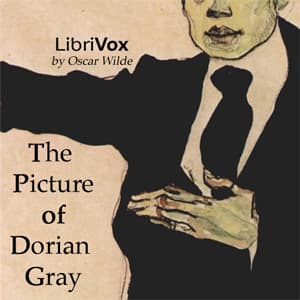
I was sitting in my living room—surrounded by my collection of vintage horror paperbacks, Shirley (the cat) judging me from her perch on the velvet armchair—ready for a classic. The Picture of Dorian Gray. The OG story of vanity, corruption, and a painting that does the dirty work for you. It's the kind of story that usually requires a glass of dark red wine and a thunderstorm.
But within five minutes? I was frowning.
Look, I love Oscar Wilde. The man understood that true horror isn't about monsters under the bed; it's about the monster in the mirror. That same psychological dread—the kind that crawls under your skin—is what makes It work so well, even when Pennywise isn't on the page. Wilde wrote dialogue that cuts like a diamond. But listening to this specific audio version felt... weird.
The Elephant in the Room (And It Has an American Accent)
Let's rip the bandage off. The narrator is John Gonzalez. And while I'm sure he's a lovely guy, his voice is distinctly American.
Now, usually, I'm not a snob about accents. (Okay, maybe a little bit. I'm a librarian; it comes with the cardigan.) But this is Dorian Gray. It is drenched in late-Victorian London atmosphere—fog, opium dens, high society drawing rooms. Hearing those sharp, witty, cynical British lines delivered with a flat American cadence? It creates a disconnect.
It's like watching a gothic horror movie where the vampire is wearing a baseball cap. It just... pulls you out.
The research notes—and my own ears—caught some stumbles, too. There are moments where the reading feels uneven, like he's tripping over Wilde's elaborate sentence structures. And honestly? I get it. Wilde writes sentences that are meant to be savored, not rushed. His other work, like The Happy Prince, has that same lyrical quality—beautiful on the page, but tricky to perform. But when the narrator stumbles, the spell breaks. The dread evaporates. And for me? If the dread is gone, what are we even doing here?
The Portrait Rots: Why Wilde's Horror Still Works
Despite the narration making me twitchy, the source material is bulletproof.
If you've never actually read Dorian Gray and only know it from pop culture references, you are missing out on some of the darkest, most delicious psychological horror ever written. The premise is simple: Dorian wishes his portrait would age so he can stay young and hot forever. (Relatable content, honestly.)
But as he descends into debauchery—and we're talking ruining lives levels of toxic behavior—the portrait rots.
Even with the narration issues, the scene where Basil Hallward finally sees the altered painting? Chills. Literal chills. It's a clinic in body horror without the gore. It's the horror of the soul. Shirley was asleep, but I was wide awake, staring at the empty corner of my room, wondering if my own choices were showing up on my face.
(Note to self: Drink more water. Use more moisturizer. Be nicer to people.)
Who Should Listen (And Who Should Skip)
If you need to read this for a class and you just need the text in your ears while you fold laundry? This works. The audio is clean. No static, no background hiss. It gets the job done.
But if you are like me—if you want to be immersed, if you want to feel the grime of London and the silk of the drawing rooms—this might not be the one. The pacing is decent, and Gonzalez clearly understands the emotions of the characters, even if the accent doesn't fit the setting. He's expressive. He's trying.
But for a story this lush? I wanted a performance that felt like velvet. This felt like denim.
Skip this version if: You're a Victorian atmosphere purist or you want the full gothic immersion experience. Give it a shot if: You just need a functional reading of the text and don't mind the accent mismatch.
The Final Word
Oscar Wilde wrote a landmark work about the dangers of prioritizing surface-level beauty over substance. Ironically, this audiobook has the opposite problem: the substance is there (it's Wilde!), but the surface-level delivery just doesn't match the aesthetic.
Read the physical book. Or find a narrator who sounds like they've actually been to a 19th-century dinner party. Your soul (and your ears) will thank you.