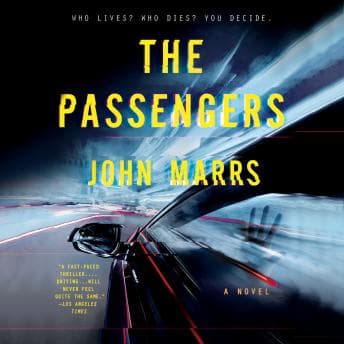

So, picture this: It's 2:30 AM. I'm sitting in my apartment, surrounded by empty Red Bull cans, supposedly debugging a pathfinding algorithm for my thesis. My code is trash. My brain is fried. And instead of fixing the syntax error on line 402, I decide to start The Passengers.
Big mistake. Huge.
Because here I am, a CS grad student working on procedural generation and AI, listening to a book about AI deciding to murder people in self-driving cars. (Dr. Patel, if you're reading this—which you aren't, because you're busy judging my lack of progress—I promise this counts as "field research.")
The Ultimate Trolley Problem (With Explosions)
Let's be real for a second. This book is basically the Trolley Problem from Philosophy 101, but John Marrs injected it with adrenaline and a serious case of cynicism. You've got eight people trapped in their fancy self-driving cars. The doors lock. The route changes. And a hacker voice says, "You're all going to die, but the internet gets to vote on who survives."
It's Black Mirror meets Speed, but with way more social anxiety.
As someone who runs D&D campaigns, I appreciate a good sadistic setup. The pacing here is relentless. Marrs doesn't give you time to breathe. He sets up the dominos—a pregnant woman, a faded TV star, an abused wife, a refugee—and just starts knocking them down. Is it manipulative? Oh, absolutely. The author is pulling strings like a chaotic evil Dungeon Master. But honestly? I couldn't stop listening. I literally sat there watching my cursor blink on the screen for three hours because I had to know who the public would vote to kill first.
(Spoiler: People on the internet are terrible. But we knew that already.)
Eight Voices, Eight Locked Doors
Usually, I'm skeptical of "full cast" audiobooks. Sometimes it feels like a radio play that's trying too hard, you know? But here? It's the only way this story works.
We've got Clare Corbett, Roy McMillan, Tom Bateman—it's a stacked lineup. Because the characters are isolated in their own cars, having distinct voices for each POV is crucial. If one narrator tried to do all eight accents plus the creepy hacker voice, it would've been a disaster.
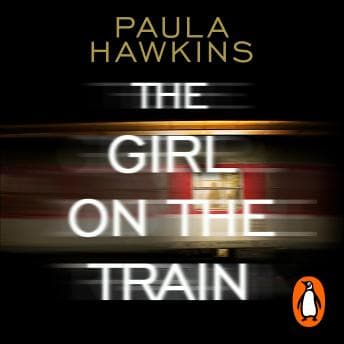
Clare Corbett (who I swear is in every third audiobook I listen to) nails the panic. She brought that same intensity to Girl on the Train, which also thrives on that trapped, spiraling feeling. You can hear the claustrophobia in the performance. It feels like you've tapped into their comms channels. When the characters start cracking under pressure, the narrators don't hold back. It's messy, emotional, and loud.
Does it get a little melodramatic? Sure. But considering the situation is "my car is kidnapping me," I think a little screaming is justified.
Why I'm Walking to Campus From Now On
Look, the tech in this book isn't exactly hard sci-fi. As a guy who stares at code all day, some of the hacking stuff is a bit... Hollywood. But the concept hits home because it targets that specific fear we all have: giving up control to an algorithm.
It's not perfect. There are twists—so many twists—and a couple of them made me roll my eyes. It gets a bit "made-for-TV movie" in the last act. But unlike my thesis, which is currently a boring mess, this book knows exactly what it is: a high-octane thriller designed to spike your heart rate.
Roll for Initiative (Or Just Hit Play)
I finished this in two sittings. I didn't get any coding done. My mom is going to be disappointed again. But hey, at least I know not to trust any car that doesn't have a steering wheel.
Who's this for? If you like The One (also by Marrs) or just enjoy watching society crumble while eating popcorn, grab this. Marrs pulls similar tricks in Good Samaritan—another twisted exploration of how technology can weaponize our worst impulses. Skip it if you need your tech thrillers to pass a code review—the hacking logic won't hold up. Just maybe don't listen to it while driving on the highway. Trust me on that one.