
Three AM. The unit was quiet - too quiet, the kind of quiet that makes you knock on every wooden surface within reach. I was caught up on charting, which never happens, so I put in my earbuds and started this one. By 4 AM, I was so unsettled I had to pause and go check on all my patients just to shake the feeling off.
This book crawled under my skin and stayed there.
The Premise That Made Me Say "Wait, What?"
So Lucy's husband Jake cheats on her. Pretty standard contemporary fiction territory, right? But then they make this arrangement: she gets to hurt him three times. He won't know when. He won't know how. And she's going to collect.
I've worked in trauma for fifteen years. I've seen what people do to each other - the aftermath of rage, the quiet violence of long-term resentment, the physical manifestations of emotional destruction. This book gets that. It understands that sometimes the most devastating injuries aren't the ones we can treat with sutures and morphine.
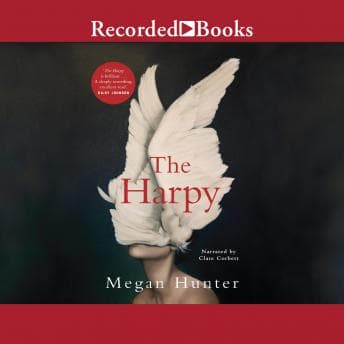
Megan Hunter writes Lucy's transformation in this lyrical, almost hypnotic prose that Clare Corbett delivers with crisp, measured diction - somehow making it all more unsettling. It's like listening to someone describe a fever dream in the most reasonable voice possible. The contrast is deliberate. It works.
Clare Corbett Deserves Her Flowers
There's a reason Corbett won Audible's Narrator of the Year back in 2017, and you hear it here. She captures this prose-like tempo - because honestly, this book reads more like poetry than traditional fiction - and she makes Lucy's internal world feel tangible. The way she voices Lucy's slow unraveling, the growing strangeness, the harpy mythology weaving through everything... it's not flashy narration. It's precise. Surgical, even.
(As someone who's actually worked a code, I appreciate precision.)
The mental picture she creates of Lucy is so complete that by the end, I could see her - really see her - in a way that doesn't always happen with audiobooks. That takes skill.
The Pacing Will Test You
Here's where I have to be honest. Some listeners complained this book takes too long to get to the meat of the story, and... yeah. I get it. This is not a thriller that moves at thriller speed. It's a slow burn that requires your full attention.
If you're looking for background listening while you're doing med passes? This is not that book. If you're half-asleep on your commute? You'll miss the layers. This one demands focus.
I listened during a quiet night shift and then again on my drive home, and both times I had to rewind sections because the prose is so dense with meaning that if you zone out for thirty seconds, you've missed something. At four hours and nineteen minutes, it's not a huge time commitment, but it's an intense one.
Compared to Hunter's debut The End We Start From, this has the same mythical, maternal undercurrents, but it's darker. More visceral. More willing to sit in the uncomfortable spaces of a marriage that's rotting from the inside.
Who This Is For (And Who Should Run)
This is for readers who want their contemporary fiction with teeth. Who don't mind ambiguity. Who appreciate prose that makes you hit that 30-second rewind button because the sentences are that good.
Skip this if you need clear resolutions, if you want likeable characters, or if you're looking for something light. The content warnings are real: infidelity, emotional violence, some graphic imagery. This book isn't interested in making you comfortable.
My mom would probably hate this one. She likes her stories with clear morals and happy endings. This has neither.
Clocking Out
Carlos asked why I was so quiet when I got home that morning. I blamed being tired, but really I was still processing. This book doesn't let you go easily. It's the kind of story that makes you think about your own marriage, your own capacity for transformation - or destruction. A Tale of Two Cities had that same lingering effect on me - different era, different stakes, but the same exploration of what people become when pushed to their limits.
Clare Corbett's narration elevates already exceptional prose into something almost hypnotic. The pacing requires patience, but if you're willing to give it your full attention, The Harpy delivers something genuinely different. Not comfortable. Not easy. But unforgettable.
Perfect for that post-shift decompression when you need something that matches the strange, liminal energy of 4 AM. Just maybe don't start it on a night when you're already feeling unsettled.