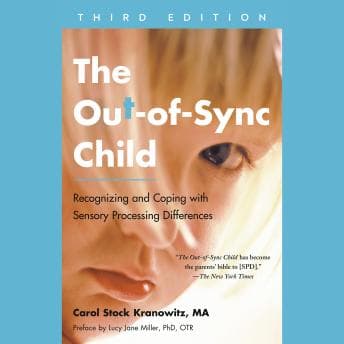

Look, I didn't expect to be listening to a parenting book at 6 AM on a Tuesday. But a client's startup is building adaptive learning tech for neurodiverse kids, and I needed to understand the space. Fast. So here we are.
Bottom line: This is genuinely useful. Like, actually applicable useful. Not "here's a framework you'll forget by lunch" useful. I had the opposite problem with Girl, Stop Apologizing—lots of energy, but I forgot most of it by dinner.
The ROI on 11 Hours
Here's what surprised me—Carol Stock Kranowitz respects your time. For a book this long, she's remarkably efficient. The first few chapters lay out sensory processing differences in a way that finally clicked for me. Over-responsive, under-responsive, sensory seeking, poor discrimination. She gives you the taxonomy without drowning you in jargon.
And the checklists? Actually practical. I kept thinking about this one founder I work with whose kid was recently diagnosed with SPD. She's been drowning in conflicting advice. This book would've saved her six months of trial and error. The drug-free treatment approach isn't some woo-woo alternative medicine pitch—it's occupational therapy, sensory diets, environmental modifications. Evidence-based stuff my parents would've called "common sense" if they'd had the vocabulary for it.
The sections on how SPD overlaps with (and gets confused with) ADHD, autism, and learning disabilities? That's where the real value is. I've seen companies build products targeting "ADHD kids" when half their user base probably has sensory issues that present similarly. This book untangles that.
Ellen Archer: Steady, Not Flashy
The narration is... fine. Honestly, it's fine. Ellen Archer has a clear, steady voice that works for this kind of content. She's not going to win any audiobook awards, but she's not going to distract you either. Some reviewers called her tone "dry"—yeah, I get that. But for a reference book you're probably going to relisten to in chunks, dry is actually better than dramatic.
I will say—and this is minor—the pacing felt a little flat in places. When Kranowitz shares case studies about specific kids, you want a bit more emotional texture. Archer reads them the same way she reads the clinical explanations. Not a dealbreaker, but noticeable.
Production quality is clean. No weird audio artifacts, no background noise. Standard professional job.
A Reference Book, Not a Page-Turner
Here's where I need to be honest: this is a reference book, not entertainment. You're not going to listen to this on a road trip for fun. It's the kind of book you keep in your library and return to when you need specific information.
For parents dealing with a new SPD diagnosis? This is probably the single most useful resource you'll find. Kranowitz has been doing this for decades, and it shows. The third edition updates are meaningful—the expanded coverage of how SPD presents differently from autism alone is worth the listen.
For professionals—teachers, therapists, pediatricians—this should be required listening. I've sat in meetings where well-meaning educators completely misread a kid's sensory-seeking behavior as "acting out." This book would fix that.
For consultants like me who are just trying to understand a market? Solid background. I got what I needed and then some.
Time-to-Value Optimization
At 11 hours, this is on the longer side. Could it be tighter? Probably. There's some repetition across chapters that feels like it was designed for readers who skip around in the print version. For a straight listen-through, you'll notice.
My recommendation: Listen to the first four chapters at normal speed to get the foundations. Then 1.25x for the rest. The later chapters are more reference-heavy, and you can always slow down for sections relevant to your specific situation.
If you only have two hours, the chapters on diagnosis and the "sensory diet" concept are where the highest-value insights live. Skip to chapter 5. Thank me later.
Who Gets Value Here (And Who Doesn't)
Parents of kids who seem "off" in ways that don't fit neat diagnostic boxes—start here. Teachers who have that one student they can't figure out—this will help. Founders building anything in the pediatric neurodevelopment space—do your homework with this.
If you're looking for a quick parenting hack or a feel-good memoir about overcoming challenges, look elsewhere. This is a textbook that happens to be readable.
The Bottom Line
My parents never had a book like this. They just figured it out through 14-hour days and paying attention. Kranowitz gives you the shortcut they didn't have. And honestly? That's exactly what a good reference book should do.