
Why do we keep returning to relationships that look, from the outside, like they should destroy us?
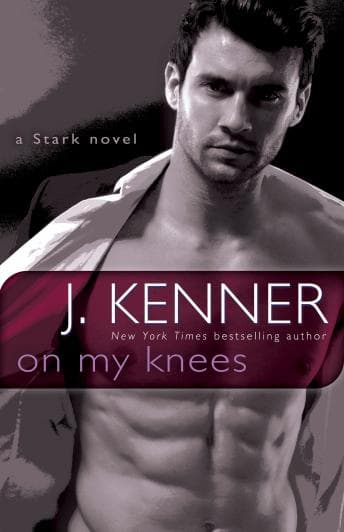
I was stirring butter chicken at midnight—couldn't sleep, might as well cook—when Jackson Steele's particular brand of intensity started making uncomfortable sense. J. Kenner has built something interesting here: two people whose trauma responses have calcified into personality traits, circling each other like they're both the wound and the salve. The protagonist exhibits classic anxious attachment patterns, and Jackson? Textbook avoidant-turned-obsessive. My therapist would have thoughts about this dynamic.
The Psychology of Staying
What makes Sylvia compelling is that her resistance isn't performative. She's not playing hard to get—she's genuinely terrified. And Kenner understands that fear and desire aren't opposites; they're often the same neural pathway wearing different masks. The research actually shows that high-arousal states blur together in the brain. Fear. Excitement. Lust. The body processes them almost identically. Sylvia's internal monologue captures this confusion with surprising accuracy for a genre that often treats attraction as uncomplicated.
Jackson's controlling tendencies are framed as protective, which—okay, I have complicated feelings about this. On one hand, the narrative does acknowledge that his behavior stems from his own unprocessed trauma. On the other hand, I found myself asking: why does Sylvia accept behaviors from him that she'd never tolerate from anyone else? The book doesn't quite interrogate this as deeply as I'd want. But it's there, simmering under the surface, if you're looking for it.
Abby Craden's Voice: A Case Study in Too Much
Here's where it gets interesting. Craden has this undeniably sultry quality that works beautifully for the intimate scenes—and there are many. She leans into the heat, and for listeners who want that particular flavor of romance audiobook, she delivers.
But.
Some passages veer into territory I can only describe as... theatrical? One listener compared her to "a female William Shatner on the verge of an orgasm," and while that's harsh, I understand the impulse. During emotional peaks, Craden sometimes oversells the moment. The dramatic pauses. The breathiness. It works when Sylvia is genuinely overwhelmed. It doesn't work when she's ordering coffee.
Psychologically, this doesn't track—people don't maintain that level of intensity through mundane activities. It pulled me out of scenes more than once. Still, her consistency across the Stark International series means fans know exactly what they're getting. That's worth something.
Who Should Listen (And Who Should Run)
If you loved Damien and Nikki's story, you'll find comfort here. Same universe, same emotional temperature, same willingness to explore damaged characters finding each other. If you need your romance heroes to be healthy and well-adjusted? Skip this entirely. Jackson Steele is not that man.
This is a fascinating case study in why "dark romance" hooks so many readers. We process difficult emotions through fiction. We explore relationship dynamics we'd never want in real life. There's genuine psychological value in that—as long as we're conscious of what we're doing. That same tension between fascination and discomfort runs through Murders in the Rue Morgue, though in a completely different context—obsession as intellectual exercise rather than romantic entanglement.
At eleven and a half hours, it's a commitment. I'd recommend dedicated listening rather than background—the plot threads involving their respective secrets require attention, and the suspense elements (someone's trying to destroy Jackson, naturally) get lost if you're multitasking.
From My Kitchen at 1 AM
Kenner knows exactly what she's doing. This is the second book in a trilogy, which means it carries the middle-book burden: deepen the relationship, introduce new obstacles, don't resolve anything major. It does this competently. The heat quotient is high—very high—and the emotional tension between Jackson and Sylvia feels earned rather than manufactured.
Is it literature? No. Is it a satisfying exploration of two broken people trying not to break each other further? Yes. The narration occasionally tips into melodrama, but if you're already invested in the Stark world, Craden's performance will feel like coming home.
My butter chicken burned, by the way. Worth it.