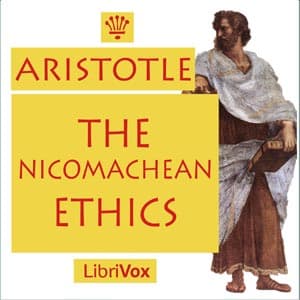

Everyone told me audiobooks were the wrong way to approach Aristotle. "You need to read it with a pencil in hand," my old philosophy professor used to say. "You need to wrestle with the text." And look, I get it. The Nicomachean Ethics isn't beach reading. It's dense, systematic, and Aristotle doesn't hold your hand. But here's the thing—I've been teaching literature for two decades, and sometimes the best way to understand a work is to hear it spoken aloud. The Greeks performed their texts. They argued in the agora. Philosophy was oral before it was written.
So I gave Geoffrey R. Edwards' narration a shot during my morning lakefront walks, and honestly? It worked better than I expected. Not perfectly. But better.
The Classroom Voice That Actually Works
Edwards reads like a professor who respects his students enough not to perform for them. His style is clean, academic, paced—exactly what this text needs. There's no dramatic flourish when Aristotle discusses virtue, no theatrical pause before the famous "function argument." Edwards trusts that the ideas themselves carry weight.
Now, some listeners find this monotone. I understand that criticism. If you're coming from thrillers or memoirs with celebrity narrators doing seventeen different character voices, this will feel dry. But here's what I kept thinking: this is how my best philosophy professors sounded. Not boring—focused. There's a difference. Edwards articulates every Greek term clearly (and believe me, there are plenty), and his pacing gives you room to actually think about what Aristotle is saying.
Is it emotionally engaging? No. But neither is Aristotle. The man is building an argument, brick by brick, about what it means to live well. Edwards matches that energy.
Where the Listening Gets Hard
I won't pretend this was easy. Around Book IV—the discussion of particular virtues like magnificence and magnanimity—I caught myself zoning out more than once. (In my defense, I was also dodging cyclists on the lakefront and wondering if Principal Martinez had noticed I'd missed another budget meeting.) The content is repetitive by design. Aristotle circles back, qualifies, distinguishes. That's how philosophical argument works.
The audiobook format struggles here. When you're reading, you can pause, flip back, reread a passage. With Edwards' narration, you're at the mercy of the flow. I found myself rewinding constantly during the more technical sections on justice and intellectual virtues. The production is clean—no weird audio issues—but the text itself demands active engagement that's harder to maintain while walking.
This reminds me of what Hemingway said about writing—that the dignity of movement of an iceberg is due to only one-eighth of it being above water. Aristotle's Ethics works the same way. What's on the surface seems simple—be virtuous, find the mean, live well—but underneath there's this massive philosophical architecture. Edwards reads what's above water. The work of diving deeper is still yours.
Why Aristotle Still Sounds Fresh at 2,400 Years Old
Here's what surprised me: listening to this made me appreciate Aristotle's project more than my grad school reading ever did. When you hear the Ethics spoken aloud, you notice the rhythm of his thinking. The way he constantly asks "but what do we mean by...?" The gentle corrections: "Some say this, but actually..." Aristotle is teaching. He's not lecturing at you. He's working through problems alongside you.
My students would hate this. I love it.
The prose deserves to be savored, even in translation. There's a moment in Book X where Aristotle discusses contemplation as the highest form of happiness, and Edwards reads it with just enough weight that I stopped walking. Just stood there by the lake, thinking about what it means to live a life of the mind. That's the power of the right voice delivering the right words.
Who Should (and Shouldn't) Listen
If you're a philosophy student who needs a companion text while studying, Edwards' clarity is genuinely helpful. If you're curious about classical ethics but don't want to wade through academic prose alone, this works. But if you're looking for entertainment—if you want your audiobooks to transport you somewhere—this isn't it. Skip it.
The narration is competent, not inspired. The content is essential, not accessible. Together, they make something useful rather than magical.
I listened at 1.0x because the author chose those words and I choose to hear them properly. But I'll admit: some listeners might benefit from 1.25x just to maintain momentum through the denser passages.
Class Dismissed
Worth pausing the faculty meeting for? Probably not. Worth ten hours of lakefront walking? For me, absolutely. Aristotle is still asking the questions that matter: What is the good life? How do we become good people? Life wrestles with those same fundamental questions, though through a very different lens. Two thousand years later, I'm still working on the answers. Edwards helped me hear the questions fresh.