
What happens when you give a telepathic dragon social anxiety and drop her into boarding school?
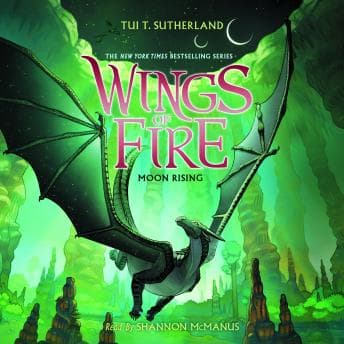
I was up way too late reorganizing my board game shelf - you know, the kind of reorganization that's really just procrastination with extra steps - and I had Moon Rising playing through my headphones. And honestly? This book hit different than I expected from a middle-grade dragon series. Moonwatcher is basically every introvert who's ever walked into a crowded room and wanted to immediately leave, except she can literally hear everyone's thoughts. That's not just a cool power fantasy. That's a nightmare scenario, and Sutherland knows it.
A Mind-Reader Who Doesn't Want to Read Minds
Here's what makes Moon work as a protagonist: she's not the Chosen One itching to prove herself. She's a kid who grew up hidden in the rainforest, overwhelmed by the sheer noise of other dragons' inner monologues, and she's terrified of being discovered. The academy setting - Jade Mountain Academy, basically Hogwarts but with lava and more teeth - becomes this pressure cooker where every interaction is a minefield. Moon picks up stray thoughts she doesn't want, catches glimpses of a future she can't control, and there's this mysterious voice in her head that might be an ancient evil. You know, standard first-week-of-school stuff.
The magic system here - and yes, I'm going to talk about the magic system because that's who I am - is actually pretty clever for a kids' series. NightWing powers aren't just "you're psychic now, congrats." Moon's mind-reading and precognition come with real costs: headaches, sensory overload, the constant paranoia that someone will figure out what she can do. It's not Sanderson-level world-building, but it's got clear rules and consequences, which is more than a lot of adult fantasy bothers with. I had a similar thought reading Torment, where the magic-adjacent mythology has rules but the story trusts readers to piece them together rather than spelling everything out.
And the mystery threading through the academy - dragons getting attacked, something sinister lurking - gives the whole thing a genuine sense of stakes. Sutherland doesn't pull punches just because her audience is younger. There's real danger here, and Moon's choice between self-preservation and doing the right thing actually lands.
Shannon McManus and the Voice Problem Nobody Wants to Talk About
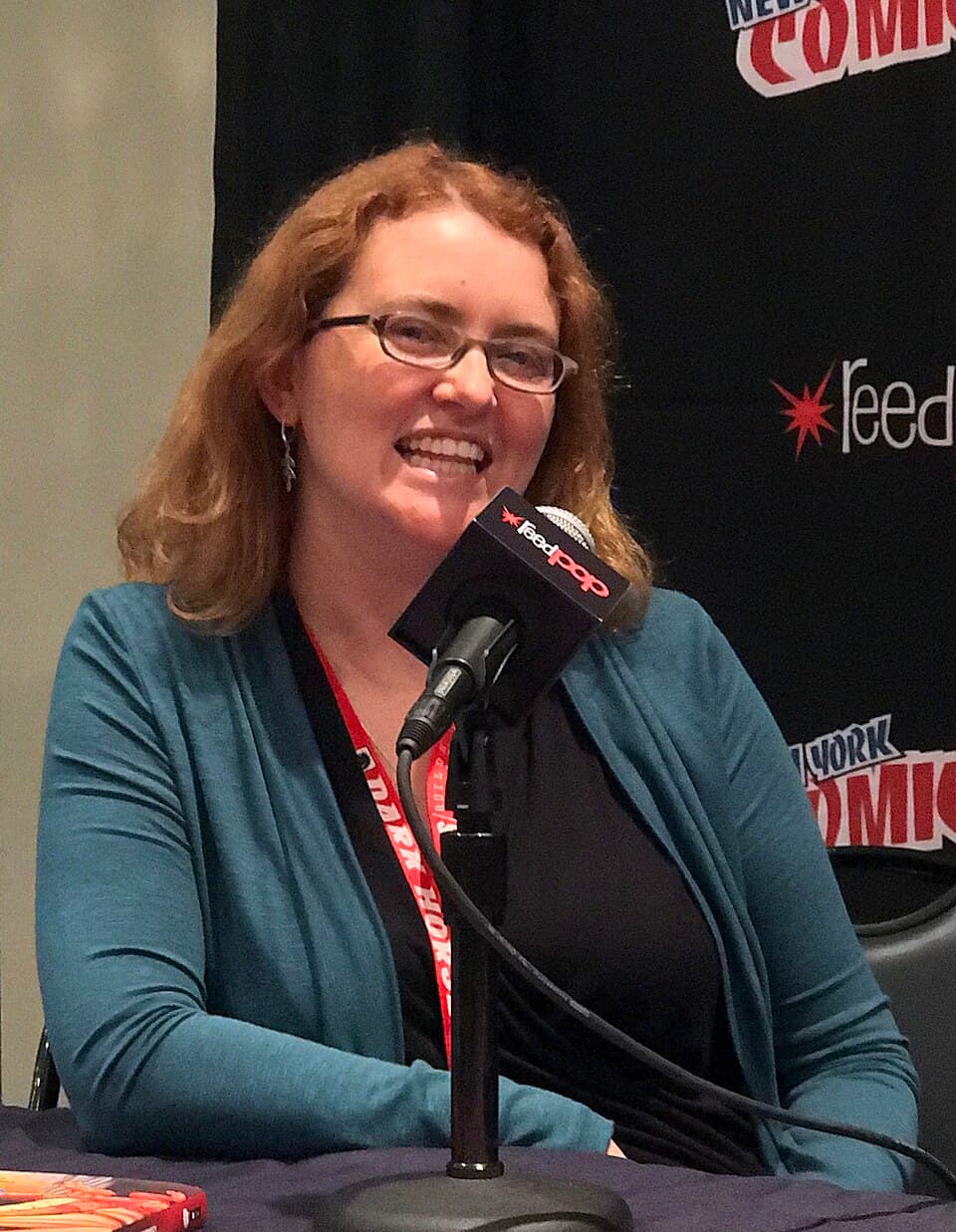
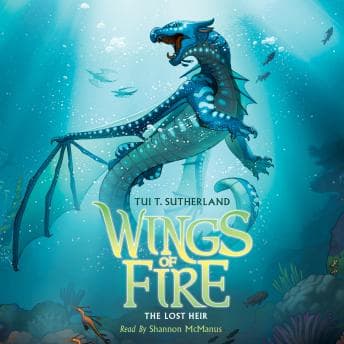
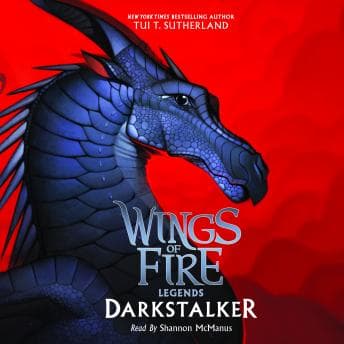
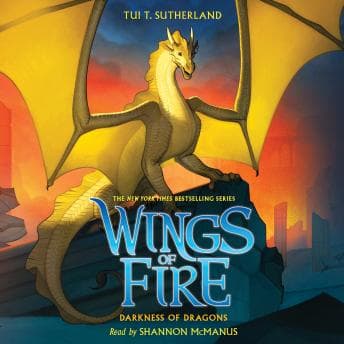
Okay, so here's where it gets complicated. Shannon McManus has been narrating this series since book one, and she's good. Like, genuinely good. She nails the atmosphere - there's this slightly hushed, almost reverent quality to her delivery that fits a world of ancient prophecies and dragon politics. Her Moon voice captures that anxious, tentative energy perfectly. When Moon is overwhelmed by a flood of thoughts, McManus shifts her pacing and tone in ways that actually make you feel the claustrophobia of it.
But - and this is the but - she has a voice differentiation problem that gets more noticeable the deeper you go into the series. Some characters sound nearly identical. If you're listening while doing something else (guilty), you can lose track of who's speaking in group scenes. It's not a dealbreaker for book six because Moon's POV anchors everything pretty firmly, but in a series with this many named dragons across multiple tribes, I do wish McManus had pushed harder to distinguish certain characters. When your protagonist is literally sorting through different minds, you want each voice to feel immediately identifiable.
That said, she's won Earphones Awards for a reason. Her emotional beats are solid, her pacing is right, and she creates this warm-but-slightly-ominous vibe that makes the 7.5-hour runtime feel comfortable rather than padded. It's just that "comfortable" sometimes tips into "samey" when five dragons are talking in a cave.
Who Should Enroll at Jade Mountain Academy
If you've got kids who are into dragons, fantasy, or stories about feeling different and finding your people - this is the stuff. My D&D group would love the faction dynamics between the tribes, and honestly, Jade Mountain Academy would make a killer campaign setting. But this is also a solid entry point for the second arc of Wings of Fire. You don't strictly need books 1-5 to follow Moon's story, though you'll miss some context.
Adults coming to this solo? It's middle-grade, so calibrate your expectations. The prose is clean and direct, the themes are earnest without being preachy, and the mystery genuinely kept me listening past my intended stopping point. But if you need grimdark moral ambiguity with your dragons, this isn't your stop.
I read this instead of writing my thesis. Moon would understand. She'd also probably hear me thinking about my thesis and feel bad for me, which is honestly the kind of emotional support I need right now.
Roll for Initiative (On Your TBR)
Solid second-arc opener with a protagonist who earns your investment through vulnerability rather than power. McManus keeps the series consistent even if she won't win any voice-acting Olympics for character range. For a 7.5-hour listen, the progression is satisfying - Moon goes from hiding in corners to making genuinely hard choices, and it doesn't feel rushed. Worth your time, especially if you're sharing earbuds with a younger listener.