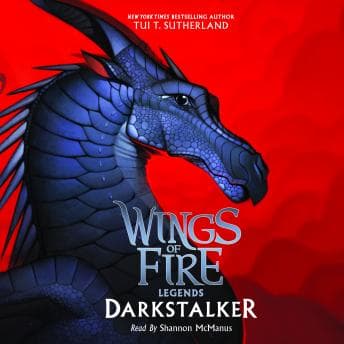

I need to talk about Darkstalker's mother. Because I spent a solid twenty minutes on my morning jog through Cambridge genuinely furious at a fictional dragon.
Here's the thing about Foeslayer—she makes choices that are so deeply, infuriatingly human that I kept forgetting she's a NightWing who fell in love with an IceWing prince. The research actually shows that forbidden love stories work because they externalize internal conflict, but Sutherland does something cleverer here. Nick and Charlie explores a similar dynamic where the relationship itself isn't the problem—it's everything else pressing in around it. She makes the forbidden relationship the *least* problematic thing about this family. The real disaster is what happens when you give a child with abandonment trauma unlimited magical power and then—I cannot stress this enough—fail to set any boundaries whatsoever.
My therapist would have thoughts about this character. Many thoughts.
Classic Narcissistic Development (And It's Devastating to Watch)
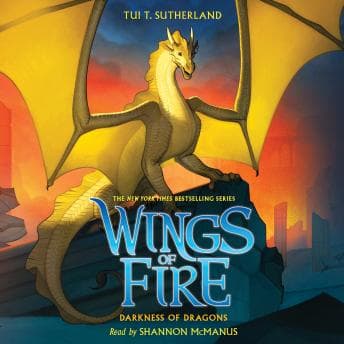
Darkstalker is a fascinating case study in how good intentions curdle into entitlement. We watch him hatch under three full moons, already more powerful than any dragon has a right to be. Mind reading. Prophecy. Animus magic. And Shannon McManus—who deserves every award she's won—makes you *root* for him. Her voice for young Darkstalker carries this wounded earnestness that made me genuinely uncomfortable once I realized where the story was heading.
The three-POV structure is brilliant from a psychological perspective. We get Darkstalker's internal justifications, Clearsight's mounting horror as she sees futures branching toward catastrophe, and Fathom's desperate attempts to control his own animus power before it corrupts him. Each dragon represents a different response to having abilities that could destroy everyone around them. Fathom chooses restriction. Clearsight chooses vigilance. Darkstalker chooses... well.
What makes this character compelling is that he's never wrong about the injustices he identifies. His father IS terrible. The IceWings DID treat his mother cruelly. The NightWing council IS hypocritical. He just uses these real grievances to justify increasingly horrifying actions. Classic externalization pattern. I kept asking myself: why does Darkstalker genuinely believe he's the hero? The answer is that everyone around him kept telling him he was special until he believed rules didn't apply to him.
McManus Knows Exactly When to Break Your Heart
The narration here is doing heavy lifting, and I don't say that lightly. McManus shifts between the three protagonists with distinct emotional registers—Clearsight's voice carries this exhausted certainty, like someone who's already grieving losses that haven't happened yet. Fathom sounds younger, more hesitant, haunted by what his magic did to his family before the story even begins.
But it's the Darkstalker voice that got me. She captures this gradual hardening—the moments where his tone goes from hurt to cold to something genuinely frightening. By the ending (which, yes, is gut-wrenching in exactly the way other listeners warned), you can hear the character he might have been underneath the monster he's become.
I was cooking biryani while listening to the final hour. Chopping onions. Already crying. Convenient excuse.
Who Should Listen (And Who Should Steer Clear)
Look, this is technically a kids' book. It's marketed to the same audience that devoured the main Wings of Fire series. But psychologically? This is a tragedy about the failure of adults to protect children from themselves, and the way trauma perpetuates across generations. The violence isn't graphic, but the emotional violence—the betrayals, the manipulations, the slow realization that someone you love is becoming someone you can't save—that hits different when you're an adult who's studied these patterns.
If you're coming to this after books 1-5 of the main series, the recommendation to read it before book 6 is solid. Darkstalker's shadow falls over everything that comes after, and understanding *why* makes those later books land harder.
Skip this if you need your villains to be uncomplicated. Sutherland refuses to let you hate Darkstalker without also grieving for him, and that's a specific kind of emotional labor not everyone wants from their dragon fantasy.
Case Study: Closed
Nearly ten hours with these characters, and I'm still thinking about Clearsight's impossible choice. Sutherland understands human nature—even when her characters aren't human. She knows that the scariest monsters are the ones who genuinely believe they're saving the world.
McManus elevates already strong material into something that lingered with me through three more jogs and a faculty meeting I definitely wasn't paying attention to. (Sorry, Dr. Patel. I was thinking about dragon psychology.)
This is what origin stories should be. Not an explanation that makes the villain smaller, but one that makes them heartbreakingly comprehensible.