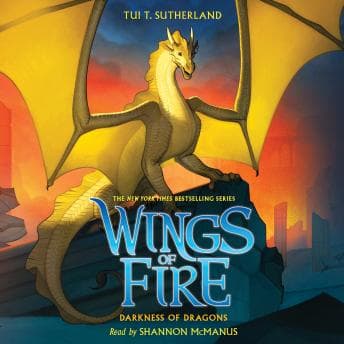

I should have been working on my thesis. Dr. Patel sent me another email with the subject line "Checking In" which is academic-speak for "I'm worried about you." But instead of opening my procedural generation notes, I downloaded the tenth Wings of Fire book because apparently I have the impulse control of a hatchling dragon.
No regrets. Zero. Qibli might be my favorite POV character in this entire series, and this book is basically Sanderson's First Law of Magic applied to middle-grade dragon fiction. (Yes, I'm comparing a kids' book to Brandon Sanderson. Yes, I mean it.)
The Magic System Is Chef's Kiss
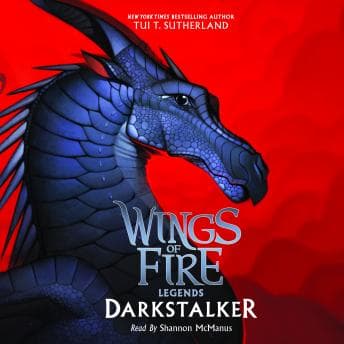
Here's what Tui T. Sutherland does that so many fantasy authors—even adult ones—get wrong: she makes the limitations of magic more interesting than the power itself. Qibli doesn't have animus magic. He's surrounded by dragons who do, including Darkstalker, who's basically a god-tier threat with an all-powerful scroll. And the tension comes from Qibli desperately wanting that power—not to be evil, but to fix everything. End war. Make everyone happy. Maybe cast a tiny spell so people would like him.
That last one hit me harder than I expected from a book about cartoon dragons.
The borrowed animus objects from Turtle become these fascinating puzzle pieces. Qibli has to think his way through problems instead of magic-ing them away, and watching him strategize with limited tools is genuinely satisfying progression. My D&D group would love this—it's like playing a low-level wizard who has to rely on clever cantrip usage instead of just fireballing everything.
McManus Channels Some Serious Darkness
Shannon McManus has been narrating this series since the beginning, and by book ten, she's got these characters locked in. But what she does with Qibli's internal voice is something else entirely.
Every time Qibli has a dark thought—and this book has a lot of them—McManus drops into this unsettling register that genuinely made me pause my walk across campus. There's this moment where Qibli's considering what he could do with magic, and her delivery shifts to something almost hypnotic. It's the same technique she uses for Darkstalker, this ghostly quality she established way back in Moon Rising. Hearing those two voices echo each other is... not subtle, but effective? Like, you feel the parallel the author is drawing.
Some listeners complain that character voices can blend together, and yeah, fair. This is a single narrator handling an entire dragon civilization across seven tribes. Some SandWings sound like other SandWings. But honestly? That's a minor quibble when the emotional beats land this hard.
Who Should Actually Listen To This
If you haven't read books 1-9, please don't start here. This is payoff book, not setup book. Darkstalker's threat, Qibli's relationships, the prophecy stuff—none of it will hit right without the foundation.
But if you've been following along? This is the arc finale you've been waiting for. Ten hours and twenty-seven minutes of dragon politics, moral complexity, and a protagonist who's basically asking "would I be a good person if I had ultimate power?" Which is a genuinely interesting question wrapped in a kids' book package.
Parents: there's violence and dark themes here. Dragons die. Qibli contemplates some heavy stuff. It's not grimdark, but it's not fluffy either. If your kid handled the previous books, they'll be fine. If they're just starting fantasy, maybe begin with something lighter.
For the grown-up fantasy nerds like me who are secretly listening to this instead of working? Yeah, you know who you are. This series is unironically good world-building. Seven distinct dragon tribes, each with unique abilities and cultures, political alliances that actually make sense, and magic with consistent rules. It's Sanderson-level in that regard, just aimed at a younger audience. Kid Normal pulls off a similar trick—sophisticated world-building that doesn't talk down to its audience, even if the target age is lower than the complexity suggests.
Worth Ignoring Your Thesis For
I finished this at 2 AM on a Tuesday, which means I was useless in my Wednesday meeting. Worth it.
McManus's performance elevates material that's already solid. The pacing never drags—Sutherland knows how to keep things moving while still giving emotional moments room to breathe. And Qibli's arc about self-worth and the temptation of easy solutions? That's the kind of theme that works whether you're twelve or twenty-six and avoiding your advisor's emails.
The audiobook format works well here. It's good for focused listening—you'll want to catch the voice work nuances—but I also did dishes and walked to class with it playing. Just don't try to multitask during the climax. You'll miss things.
If you're already invested in Wings of Fire, this is exactly what you want. If you're a fantasy fan curious about the hype, start at book one and give it a chance. Yes, it's 40 hours to get here. Yes, it's worth it.