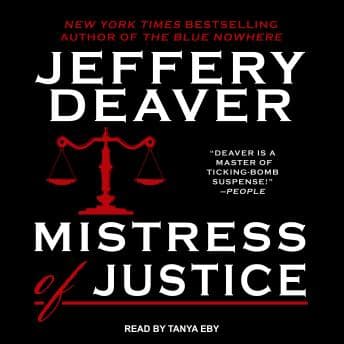

"Eager to get closer to this handsome, brilliant, and very private man, Taylor signs on..."
Look, I heard that line somewhere around the 45-minute mark and almost swerved into the median. Not because it was shocking - because it was the most honest thing a legal thriller has ever admitted about its protagonist's motivations. Taylor Lockwood isn't some crusading idealist. She's a paralegal with a crush who says yes to an internal investigation because the lawyer asking is hot. And you know what? I respect that. At least Deaver's not pretending.
The Law Firm Nobody Wants to Work At (But Everyone Recognizes)
Jeffery Deaver knows his way around a legal office the way I know my way around a crash cart - with the bored competence of someone who's done it a thousand times. Hubbard, White & Willis feels real in the worst possible way. The partner politics, the billable hour obsession, the way associates will literally sell their souls for a corner office. I've never worked in law, but I've worked in institutions where hierarchy is God and everyone's got a secret, so this hit different.
Taylor's double life - paralegal by day, jazz pianist by night - is honestly the most interesting thing about her. Deaver uses the music as this running metaphor for improvisation, for reading the room, and it works. She approaches the investigation the way she approaches a set at a jazz club: read the audience, adjust, keep playing even when you hit a wrong note. The stolen document at the center of everything - a promissory note that could tank a multimillion-dollar case - is the kind of MacGuffin that sounds boring until you realize people are willing to kill for it. Which, having worked in healthcare where I've seen people throw punches over parking spots, tracks completely.
But here's where I got frustrated. This is Deaver doing early-career work, and it shows. The pacing drags in the middle - there's a stretch around hours 4 through 6 where Taylor is basically just having meetings and dinners and more meetings, and I kept checking how much time was left. The mystery itself isn't as tight as his Lincoln Rhyme books. The suspects are lined up a little too neatly, and when the reveal comes, it's... fine? It's fine. Devil's Hand pulled off a similar legal-world setup but actually made me white-knuckle the steering wheel when the pieces came together - worth the comparison if you want to see what a tighter third-act reveal looks like. I wasn't yelling at my dashboard in surprise. I was nodding and going "yeah, okay, that checks out."
Tanya Eby: The Scene Break Problem Is Real
So here's the thing about Tanya Eby's narration - she's an Audie-nominated narrator for a reason. Her character differentiation is solid. She gives Taylor this slightly breathless, sharp-edged quality that works for a young woman who's in over her head but too stubborn to admit it. The male characters each get distinct registers. Mitchell Reece sounds appropriately intense and guarded.
But.
The scene transitions nearly killed this audiobook for me. I'm a night shift nurse driving home at 7 AM with the sun in my eyes and my brain running on caffeine and adrenaline fumes. When scenes shift without a clear pause or break, I'm suddenly in a different location with a different character and I have NO idea how I got there. I had to rewind at least four or five times during one drive alone. This is not how hospitals work - I mean, this is not how audiobooks should work. You need those beats. Those two seconds of silence between scenes aren't dead air, they're orientation. They're the equivalent of a nurse doing bedside handoff instead of just throwing a chart at you and walking away.
There were also moments where Eby's delivery felt a bit... flat? Like she was reading the legal jargon sections on autopilot. Which, fair - some of those passages read like contract law textbooks. But it pulled me out of the story when I needed to stay locked in.
Who Should Sign On (And Who Should Clock Out)
If you're a Deaver completist, this is worth your time - it's interesting to see where he started before the puzzle-box plotting of his later work. If you like legal thrillers with a female lead who's smart but flawed and makes questionable decisions for very human reasons, Taylor Lockwood will keep you company. Perfect for that post-shift decompression when you want something engaging but not so intense you can't sleep after.
But if you need breakneck pacing or you listen in environments with lots of distractions - commuting in traffic, busy gym, kids screaming in the background - the narration's scene-break issues will drive you up a wall. You'll be rewinding more than listening.
Carlos asked why I looked annoyed when I walked in the door. I told him the audiobook didn't believe in paragraph breaks. He nodded like that was a perfectly normal complaint.
Shift Report: Stable But Not Critical
Deaver's legal world-building carries this one. Eby does good character work when the material gives her room to breathe. But the mid-section drag and the audio transition issues knock it down from what could've been a solid recommend to a "catch it on sale" situation. The medical details are accurate. Finally. (There's a brief hospital scene that doesn't make me want to throw my phone out the window, which is more than I can say for most thrillers.) But this isn't peak Deaver, and the audio production needed one more pass.