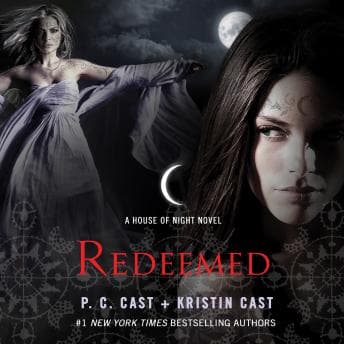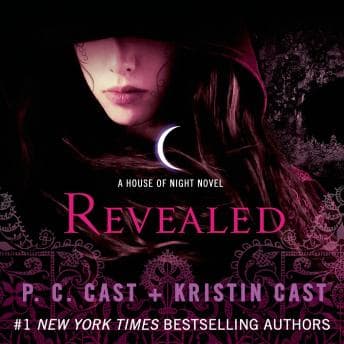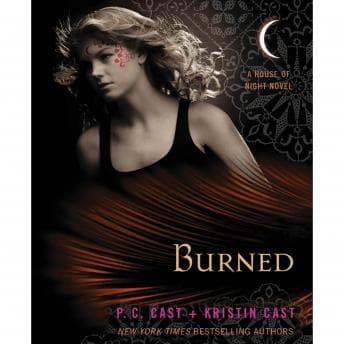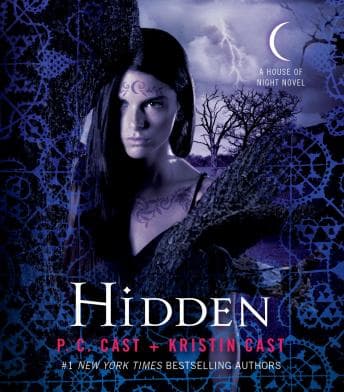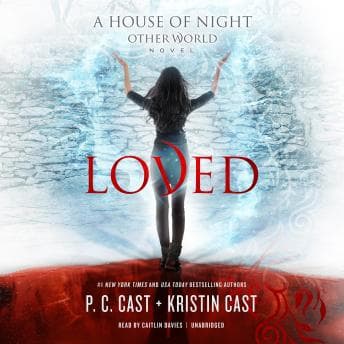

Can you ever really go home again? Thomas Wolfe said no, and I've spent twenty years watching students try to reconnect with childhood friends at reunions only to discover they've become strangers. So when the Nerd Herd reassembles after a year apart in Loved, I found myself genuinely curious whether the Casts could pull off what real life so rarely manages.
I finished this one during a late-night grading marathon—stacks of sophomore essays on The Great Gatsby that all somehow managed to misspell "American Dream." The House of Night series isn't Fitzgerald, obviously. (My students would hate me for even putting those sentences next to each other. I can hear the collective groan.) But here's the thing: there's something to be said for a story that knows exactly what it is and delivers it with confidence.
When Your Found Family Grows Up
The central tension here actually works. Zoey's eighteenth birthmas should be a celebration, but the year apart has done what years apart always do—created distance that can't be measured in miles. The Casts understand something fundamental about young adult relationships: they're intense precisely because they're fragile. From Blood and Ash captures that same fragility—relationships forged in crisis that have to survive beyond the initial danger.
Watching the Nerd Herd navigate grown-up awkwardness while facing down rabid red vampyres creates this strange tonal whiplash that somehow feels... accurate? Like how my students can be texting about prom drama while genuinely worried about their futures. The mundane and the monstrous coexist.
Neferet stirring in her grotto jail provides the external threat, but the real conflict is internal. Have these friends become different people? The book doesn't shy away from that discomfort, and I appreciate that. Too many YA series pretend friend groups are static, frozen in amber. This one acknowledges that adulting changes you—sometimes in ways that make old connections feel like wearing a shirt you've outgrown.
The Caitlin Davies Question
Here's where I have to be honest with you, and with myself. Caitlin Davies has narrated this series for long enough that she essentially is these characters for audio listeners. One reviewer said she "has actually lived with all these people and can mimic them perfect"—and I understand that sentiment. Her emotional delivery captures the anxiety and joy these characters experience. When Zoey panics, you feel the tension. When the Nerd Herd reconnects, there's genuine warmth.
But.
Some listeners absolutely cannot stand her voice. I've read complaints from people who considered switching to the print version mid-book because the narration grated on them so severely. This isn't about technical skill—it's about vocal chemistry. Like how some students thrive with my teaching style and others desperately need a different approach. Davies' voice has a particular quality that works beautifully for some ears and creates genuine irritation for others.
I fall somewhere in the middle. Her character differentiation is solid—you can tell who's speaking without constant attribution. But there were moments, particularly during longer expository passages, where I found my attention drifting back to those Gatsby essays. (Spoiler: none of them got better while I was distracted.) At 1.0x speed, nearly eleven hours is a commitment, and your tolerance for Davies' style will determine whether that commitment feels worthwhile.
Worth It For the Faithful, Baffling For Newcomers
Let me be direct: if you haven't read the House of Night series, this is absolutely the wrong place to start. The book assumes familiarity with years of mythology, character relationships, and previous conflicts. When She Woke had the opposite problem—so much world-building crammed into a short runtime that newcomers felt overwhelmed for different reasons. Jumping in here would be like assigning my students the final chapter of Middlemarch and expecting them to care about Dorothea's choices. Context matters.
For longtime fans, though, there's genuine pleasure in this reunion. The Casts have built something that clearly means a lot to their readers—RT Book Reviews called it "a welcome return to this beloved universe," and that's accurate. The drama, thrills, and chills are present and accounted for. The paranormal adventure elements deliver what the genre promises.
Is it literary fiction? No. But I've learned to stop being a snob about that. (Denise has helped. She once caught me dismissing a romance novel she loved, and the look she gave me could have frozen Lake Michigan.) Stories that connect with readers have value, even if they'll never appear on my syllabus.
Mr. Williams' Final Grade
This is a solid continuation for fans who've been waiting for the Nerd Herd's return. The narration is competent but divisive—sample before you commit. The themes about friendship and change have more depth than the paranormal packaging might suggest. And at nearly eleven hours, it's substantial enough to get you through several faculty meetings. (Principal Martinez, I'm kidding. Mostly.)
Who should listen: Existing House of Night devotees who want to revisit familiar characters. Fans of YA paranormal who don't mind narrator voices with strong personalities.
Who should skip: Series newcomers. Anyone who's sampled Caitlin Davies before and found her voice grating. Readers looking for standalone stories.
The Casts know their audience and serve them well. That's worth something, even if it's not for everyone.