
I'll admit something that might get my Presbyterian grandmother spinning in her grave: I've never given communion much thought beyond the ritual itself. Show up, take the bread, sip the grape juice (we're Methodist, don't @ me), shake hands, go home. Rinse and repeat every first Sunday.
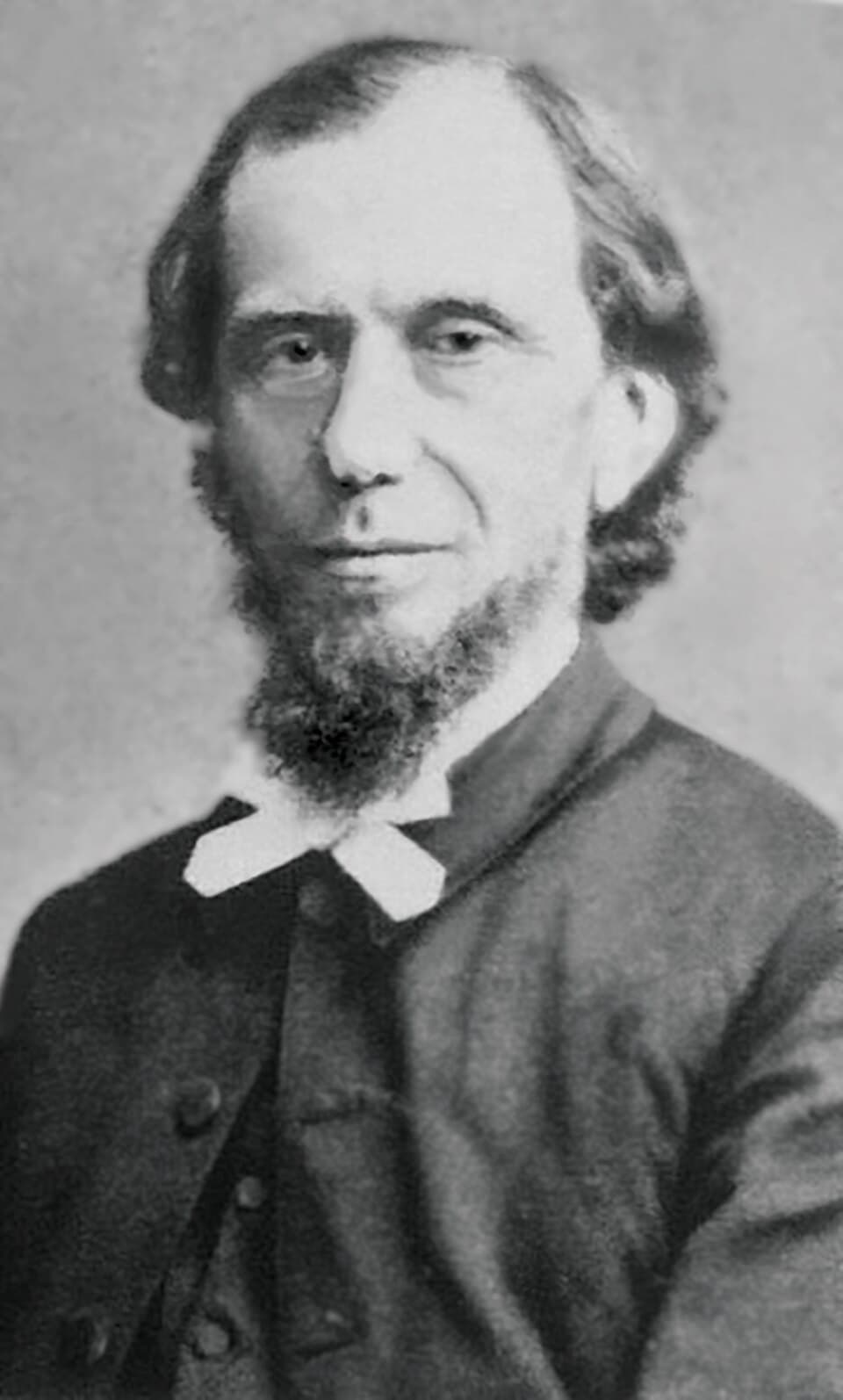
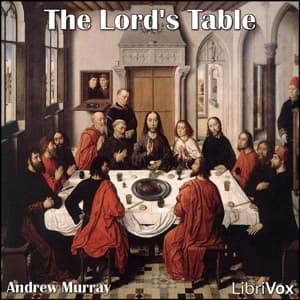
Andrew Murray's *The Lord's Table* made me feel like I'd been sleepwalking through something sacred for forty-seven years.
What Hemingway Would Call "The Iceberg"
Murray wrote this in the late 1800s, and you can feel it—the prose has that Victorian devotional weight, sentences that unfold slowly like a hymn. But here's what struck me: this isn't a theological treatise. It's structured as a week-long journey. Days before communion. The day of. Days after. Each meditation labeled by weekday, designed to be taken in small doses rather than gulped down.
At just under three hours, you could power through it in an afternoon. I'd argue that's missing the point entirely. Murray wants you to sit with these ideas—to prepare your heart before approaching the table, then to dwell in the aftermath. The format respects the rhythm of spiritual practice in a way that feels almost countercultural now.
What surprised me was Murray's insistence that this devotional shouldn't replace Scripture. He says it right up front. That kind of humility from a Victorian religious writer? Refreshing. He's not positioning himself as the authority—he's positioning himself as a fellow pilgrim pointing toward something larger.
Phil Snyder and the Art of Restraint
Here's where I have to be honest about the limitations of what I know. The research on Snyder's performance is thin—no standout praise, no notable complaints. What I can tell you is that devotional narration requires a specific skill: getting out of the way. You're not performing Hamlet. You're creating space for reflection.
The LibriVox recording (yes, this is public domain, available free) suggests a straightforward, unadorned approach. For Murray's prose—which already carries its own weight—that's probably the right call. A narrator who tried to dramatize these meditations would feel like someone shouting during prayer.
I listened to portions during my nightly paper-grading sessions (sophomore essays on *The Great Gatsby*—Fitzgerald forgive me for the multitasking), and the measured pace worked well as contemplative background. Not background in the dismissive sense, but in the way a candle burning in your peripheral vision creates atmosphere without demanding attention.
Who Should Listen (And Who Should Skip)
Let me be direct: if you're looking for theological fireworks or doctrinal debate, this isn't it. Murray writes from a place of assumed faith. He's not trying to convince skeptics or win arguments. He's speaking to believers who already value communion but want to experience it more deeply.
If you grew up in a tradition where the Lord's Supper was central—Catholic, Orthodox, high-church Protestant—Murray's emphasis on preparation and reflection will feel familiar. If you're from a tradition where communion is more casual (like mine, frankly), this might feel almost foreign. That foreignness might be exactly what you need. Skip this if you want contemporary language or theological argument; seek it out if you've been going through the motions at the communion rail and suspect there's something more.
My students would absolutely hate this. The language is dense, the pacing deliberate, the concerns feel distant from TikTok-era spirituality. I found myself thinking about that distance—about what we've lost when we approach sacred rituals with the same attention span we bring to scrolling Instagram.
Prose That Asks You to Slow Down
Murray was prolific—over 240 devotional books, which is staggering. But *The Lord's Table* feels focused in a way that suggests he cared deeply about this particular subject. His meditations on Christ's body and blood aren't metaphorical hand-waving; they're attempts to help readers feel the weight of what's being offered.
There's a section on repentance before approaching the table that genuinely made me uncomfortable. Not in a manipulative, guilt-trip way—more like Murray was asking questions I'd been avoiding. When was the last time I actually prepared for communion? When was the last time I thought about it afterward?
The answer, embarrassingly, was never.
Class Dismissed
At 2 hours and 39 minutes, this is a short commitment for what could be a meaningful shift in how you approach a ritual you might have been taking for granted. The free LibriVox version makes it accessible, and the week-long structure means you can spread it across actual communion preparation if you're so inclined.
This isn't going to change your theology. It might change your posture. Then again, God Is Not Great would argue that posture toward ritual is exactly the problem. And sometimes—this reminds me of what C.S. Lewis said about the value of old books—reading something from another era helps you see your own assumptions more clearly.
I'm not sure I'll listen again. But I'm pretty sure I'll think about it next first Sunday.