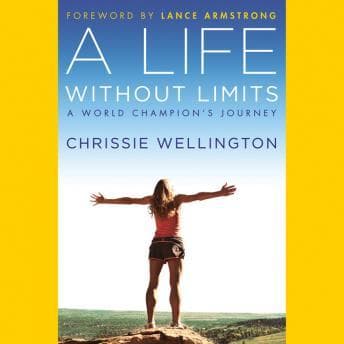

Everyone told me this would be the ultimate motivational listen. "Chrissie Wellington is incredible," they said. "She'll make you want to sign up for an Ironman," they said. And look—they weren't wrong. But here's the thing nobody mentions: this book made me deeply uncomfortable. Not because it's bad. Because it's honest.
I was on a red-eye to Denver, couldn't sleep, figured I'd knock out another inspirational sports memoir. Expected the usual formula—humble beginnings, montage of training, triumphant finish line moment, cue the orchestral swell. What I got instead was a woman talking frankly about anorexia, about nearly drowning, about the psychological warfare of elite competition. My parents worked 14-hour days at their dry cleaning shop. They never had time for eating disorders or existential crises about purpose. But watching them push through exhaustion day after day? That's the same engine driving Wellington. Different fuel, same relentless machinery.
The ROI on Ten Hours of Suffering
Bottom line: this book earns its runtime. At 10 hours, I was skeptical—most sports memoirs have maybe 3 hours of real insight buried in 7 hours of "and then I trained harder." Wellington mostly avoids this trap. The chapter on winning her first Ironman in Hawaii—finishing five minutes ahead of her nearest rival as a complete unknown—that's genuinely compelling stuff. She doesn't just tell you she won. She puts you in the water, in the heat, in her head.
The dual narration works better than I expected. Wellington reads her own story, which gives it authenticity you can't fake. Polly Lee handles other sections, and the handoffs are smooth enough that I stopped noticing them after the first hour. Wellington isn't a trained narrator—her pacing is sometimes uneven, her emotional range limited—but there's something about hearing the actual person describe pushing through mile 100 of a bike ride that a professional voice actor simply cannot replicate. You believe her because she lived it.
What My Parents Did Instinctively
Here's where the consulting brain kicks in: Wellington is essentially describing a framework for sustainable high performance. The diet protocols, the training periodization, the mental techniques for pushing through pain—this is what my parents did instinctively at their shop, just without the sports science vocabulary. They didn't call it "recovery optimization." They called it "closing early on Tuesdays because your mother needs rest."
The controversial coach situation gets addressed but not belabored. She's honest about the complexity without turning it into a tell-all hit piece. That restraint impressed me. Most memoirs either sanitize everything or go full scorched earth. Very Punchable Face walks that same tightrope—honest without being gratuitous. Wellington found the middle ground—acknowledging difficulty without making it the whole story.
What surprised me: the development work sections. Before becoming a world champion, she worked in international development. Nepal, policy work, the whole thing. This isn't just an athlete memoir—it's about someone who genuinely grappled with purpose and meaning before finding her path. That hit harder than any finish line moment.
Who Should Hit Play (And Who Should Keep Scrolling)
If you're looking for a quick motivational hit, skip to chapters covering her Hawaii wins. Thank me later. But the real value is in the uncomfortable stuff—the eating disorder recovery, the near-drowning, the honest assessment of what elite athletics costs.
This is for: people who actually want to understand what sustainable excellence requires, not just feel inspired for 20 minutes. Endurance athletes, obviously. But also anyone building something that requires years of consistent effort. Startup founders. Entrepreneurs. People who've watched their parents sacrifice everything for a business.
Skip if: you want pure motivation without the messy human parts. If you're looking for "believe in yourself and anything is possible" without the caveats, you'll find this too honest.
The Dry Cleaner's Kid Verdict
Jenny would say I'm being generous because I have a soft spot for people who work harder than seems reasonable. Jenny is right. But Wellington earned my respect the same way my parents did—not through natural talent or lucky breaks, but through showing up when it would be easier not to.
The key takeaway is worth the listen. The other 7 hours? Actually, most of them are worth it too. That's rare. At 2.0x, this is a solid 5-hour investment that delivers more practical insight than most business books twice its length. The training methodology alone is worth studying if you're serious about any kind of endurance pursuit—athletic or otherwise.
She won four Ironman World Championships. She also nearly died, nearly starved herself, and had to rebuild her relationship with her own body multiple times. That kind of brutal honesty about what excellence costs reminded me of With the Old Breed—different arena, same unflinching look at what humans endure. The victories mean more because you understand what they cost.






![Steve Jobs [unabridged audiobook] audiobook cover](/_next/image?url=https%3A%2F%2Fcovers.audiobooks.com%2Fimages%2Fcovers%2Ffull%2F9788499923406.jpg&w=1920&q=75)