
Look, I have a confession to make. I've been a literary snob about romance novels for most of my teaching career. Twenty years of pushing Austen and the Brontës on teenagers while quietly dismissing their contemporary descendants. So when my wife Denise handed me her earbuds during our Saturday lakefront walk and said "just try it," I was prepared to be condescending.
I wasn't prepared to be charmed.
The Folklore Professor in Me Was Hooked
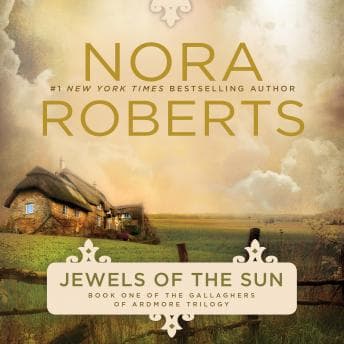
Nora Roberts does something clever here that I genuinely respect. She weaves Irish mythology into a romance in a way that feels earned rather than decorative. Jude Murray—an academic fleeing a failed life in America—arrives at Faerie Hill Cottage to study folklore, and Roberts uses this as more than set dressing. The legends of Carrick and his jewels become thematic architecture. American Gods does something similar with mythology—Gaiman weaves folklore into the bones of his story rather than just sprinkling it on top. It's the kind of structural work I point out to my AP Lit students when we discuss how setting functions as character.
And yes, I know comparing Nora Roberts to what I teach sounds ridiculous. But here's the thing—accessible prose that accomplishes what it sets out to do? That's craft. I've read plenty of "literary" novels that couldn't structure a narrative this cleanly if their Pulitzer depended on it.
The romance itself follows familiar beats. American woman finding herself. Roguish Irish pub owner with poetic tendencies. Slow courtship built on conversation and shared stories. If you've read romance, you know where this goes. But Roberts earns her #1 bestseller status because she makes the journey feel unhurried and genuine. Jude's growth from timid academic to someone who can claim what she wants—that arc actually works.
Patricia Daniels and the Accent Wars
Okay, so this is where things get interesting. Patricia Daniels' narration has apparently started wars in the audiobook community. Some listeners adore her Irish brogue. Others think it's, and I quote from one review, "horrible."
I'm going to be honest—I'm a Chicago English teacher. My expertise in authentic Irish accents extends to watching The Quiet Man with my father as a kid and that one semester I spent too much time in Irish pubs during grad school. So take my assessment with appropriate salt.
Daniels' accent felt consistent to me. Maybe not documentary-authentic, but theatrical in a way that serves the story. She differentiates characters clearly—Aidan's voice has a warmth and steadiness that distinguishes him from his more volatile brother. The fairy tale interludes, where Roberts shifts into mythological storytelling, Daniels handles with appropriate reverence.
But I'll concede this: there are moments where the narration feels... dry. Not boring, exactly. More like she's reading rather than performing. The romantic scenes in particular could use more heat in the delivery. When Aidan is supposedly stirring Jude's blood, Daniels sounds like she's reading a pleasant weather report. It's not a dealbreaker, but it's noticeable.
Denise, who has listened to approximately four hundred more romance audiobooks than I have, says this is "fine for Nora Roberts narration." I'll defer to her expertise.
What My Students Would Say (And Why They'd Be Wrong)
My juniors would call this slow. They'd complain that "nothing happens" for long stretches. They'd want more plot, more conflict, more drama.
They'd be missing the point.
This is a character study disguised as a romance. Redeeming Love takes a similar approach, prioritizing emotional transformation over plot fireworks. Roberts spends pages on Jude's internal landscape—her fears, her growing confidence, her relationship with the cottage and the village. The magic is ambient rather than dramatic. Fairies appear at the edges of scenes. The supernatural serves the emotional rather than driving the plot.
At ten and a half hours, it's a commitment. I listened over two weeks of walks and late-night grading sessions. The pacing rewards patience. If you're looking for breathless page-turner energy, this isn't it. But if you want to sink into a world—to feel the mist on Irish hills and the warmth of a pub fire—Roberts delivers that atmosphere.
Who Should Queue This Up (And Who Should Skip)
If you love Irish settings and slow-burn romance, this is solid comfort listening. If you need constant plot momentum or can't tolerate accents that might be more theatrical than authentic, you'll probably bail by hour three. For literary snobs like me who need permission to enjoy something unabashedly romantic—consider this your permission slip.
Mr. Williams Grades His First Romance
Would I listen to the rest of the trilogy? Honestly? Probably. Not immediately—I've got a Middlemarch reread calling my name and a stack of student essays that won't grade themselves. But there's something about Ardmore that lingers. The Gallagher brothers are set up for their own stories, and I'm curious enough to return.
Denise is already smug about this. She says I'll be a "romance convert" by summer. I told her not to hold her breath.
(She's probably right. Don't tell her I said that.)
The prose is clean, the structure is sound, and sometimes a story about finding yourself in a cottage on a fairy hill is exactly what you need at 11 PM while pretending to grade essays.