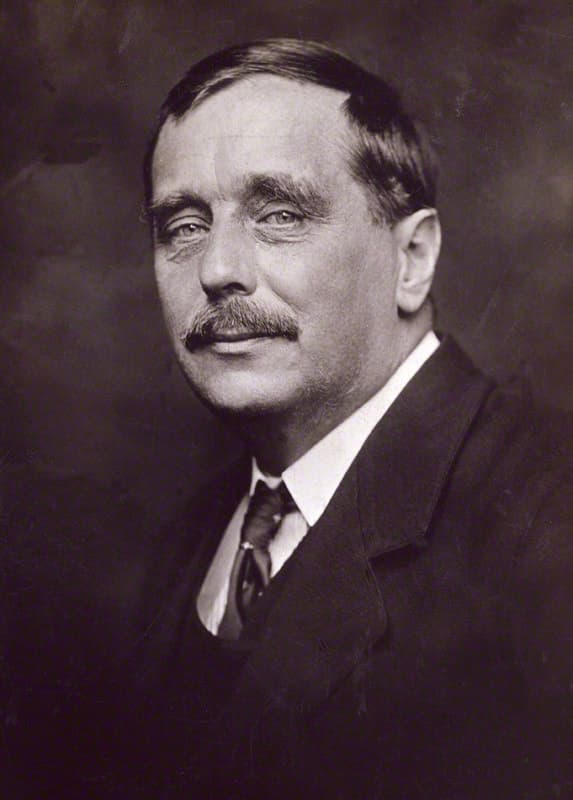

H.G. Wells invented half the tropes we take for granted in science fiction. The magic system is chef's kiss - except there is no magic system, which is kind of the point.
I put this on during a late-night coding session when my thesis advisor's latest email was giving me anxiety. Nothing like Victorian mad science to distract from modern academic dread, right? And look, The Invisible Man is foundational. This is the book that made "scientist goes too far" a genre unto itself. Wells was doing Sanderson-level world-building before Sanderson's great-grandparents were born - except instead of elaborate magic rules, he's exploring what happens when one bitter, brilliant man removes himself from the social contract. Speaking of elaborate magic rules, Emperor's Soul does Sanderson's actual system-building in miniature—basically a deep dive into how to make magic feel earned. Literally.
Griffin Is That Guy From Your D&D Campaign (Derogatory)
Here's what I wasn't expecting: Griffin, our invisible protagonist, is genuinely insufferable. And I mean that as a compliment to Wells. This isn't some tragic antihero you're supposed to root for. He's the player who shows up to your campaign with a min-maxed rogue build and immediately tries to murder the quest-giver because "it's what my character would do."
The extended section where he monologues about his history - how he discovered invisibility, how he tested it, how everything went wrong - that's where Wells shines. You're watching a man convince himself he deserves power while simultaneously demonstrating exactly why he doesn't.
The Victorian setting matters here. Wells is writing about class, about visibility in the social sense, about what happens when someone who already felt overlooked becomes literally unseen. It's not subtle, but it doesn't need to be. The progression is satisfying in a dark way - Griffin's schemes get more desperate, more violent, more unhinged. That same descent into justified villainy shows up in Court of Wings and Ruin, though with way more fae politics and significantly better life choices. By the end, you understand that invisibility didn't corrupt him. It just gave him permission to be who he always was.
Cate Barratt: Clear But Flat
Okay, here's where I have to be honest. Cate Barratt's narration is... fine. Her British accent is clean, her enunciation is solid, you won't miss any words. But the delivery is monotone in a way that flattens some of the novel's tension. When Griffin is ranting about his genius, when the townspeople are panicking, when violence erupts - it all comes through at roughly the same emotional register.
This is a 4 hour 40 minute commitment, which is short by my standards. (Yes, it's not 40 hours. No, I'm not complaining.) But that runtime means the monotone issue is more noticeable. In a massive epic, you'd adjust. Here, you're waiting for vocal variety that never quite arrives. I found myself wishing for a narrator who could give Griffin some manic energy, some edge of madness creeping into his voice as the story progresses. Steven Pacey walked so other narrators could run, and this performance... walks at a steady pace the whole way.
The Pacing Problem Nobody Warned Me About
So the book meanders. I knew this going in - it's Victorian literature, they were paid by the word, whatever. But the structure is genuinely odd by modern standards. You get this slow buildup of mystery in a small English village, then Griffin's extended backstory dump, then... the ending happens really fast. Like, uncomfortably fast. It's the narrative equivalent of a DM realizing it's midnight and they need to wrap up the session.
If you don't like info-dumps, this isn't for you (but you're wrong). Wells is doing something interesting with Griffin's confession - it's unreliable narration before that was cool. But I won't pretend the pacing is tight. This is a classic for its ideas, not its structure.
Who's Rolling Initiative On This One
Listen if: You want to understand where modern sci-fi horror comes from. If you've seen any Invisible Man adaptation and wondered how different the source material is. (Answer: very different. This isn't campy Universal monster vibes.) If you're studying genre fiction and want to see Wells working through his anxieties about science and society.
Skip if: You need dynamic narration to stay engaged. If meandering Victorian prose makes you reach for the 2x speed button. If you're looking for a sympathetic protagonist - Griffin is fascinating but not likeable.
My D&D group would love this as inspiration for a villain backstory. The guy who thinks he's the hero of his own story while everyone around him sees the monster he's becoming? That's campaign material right there.
Worth Raiding Your Library Card
This is proto-science fiction from one of the genre's architects, and it holds up better than you'd expect. The narration is serviceable but won't blow you away. At under five hours, it's a reasonable commitment for genre completionists. But I'd grab this through Libby or a streaming service rather than spending a credit on it. The ideas are essential; this particular audio production is just okay.
I read this instead of writing my thesis. Dr. Patel would not approve, but Wells would understand. Probably.